 blog
blog
10 Signs of a Main Sewer Line Blockage
Table of Contents
- 1. Multiple Drains Slow or Backing Up at the Same Time
- 2. Sewage Backing Up Into Tubs, Showers, or Floor Drains
- 3. Gurgling Sounds and Bubbling Drains
- 4. Foul Sewage Odors Indoors or Outdoors
- 5. Water or Waste in Lower-Level Drains
- 6. Standing Water or Lush Patches in the Yard
- 7. How to Tell If Your Main Drain Is Clogged vs. a Fixture Clog
- 8. How to Clear a Main Sewer Line Clog: Safe DIY Steps
- Frequently Asked Questions
Last Updated: October 15, 2026
1. Multiple Drains Slow or Backing Up at the Same Time
When several drains across your home slow down or back up at once, that is the clearest sign of a main sewer line blockage. A single slow sink points to a local clog. Several failing together points to the shared pipe that carries all your waste away.
That shared pipe is the main sewer line. It runs from your home to the public sewer or septic tank. When it clogs, every fixture upstream feels it.
Here is what this looks like in practice:
- Your kitchen sink drains slowly, and so does the bathroom sink upstairs
- Flushing one toilet makes another gurgle
- Water pools in the shower while the washing machine runs
- Drains that were fine last week now empty at a crawl
The pattern matters more than any single slow drain. One slow fixture is a fixture problem. Three slow fixtures at once is a main-line clog.
If you spot this, stop running water. Every flush adds more volume to a pipe that is already full.
2. Sewage Backing Up Into Tubs, Showers, or Floor Drains
Raw sewage backing up into a tub, shower, or floor drain is an emergency, not a warning. It means waste has nowhere to go but up and into your home.
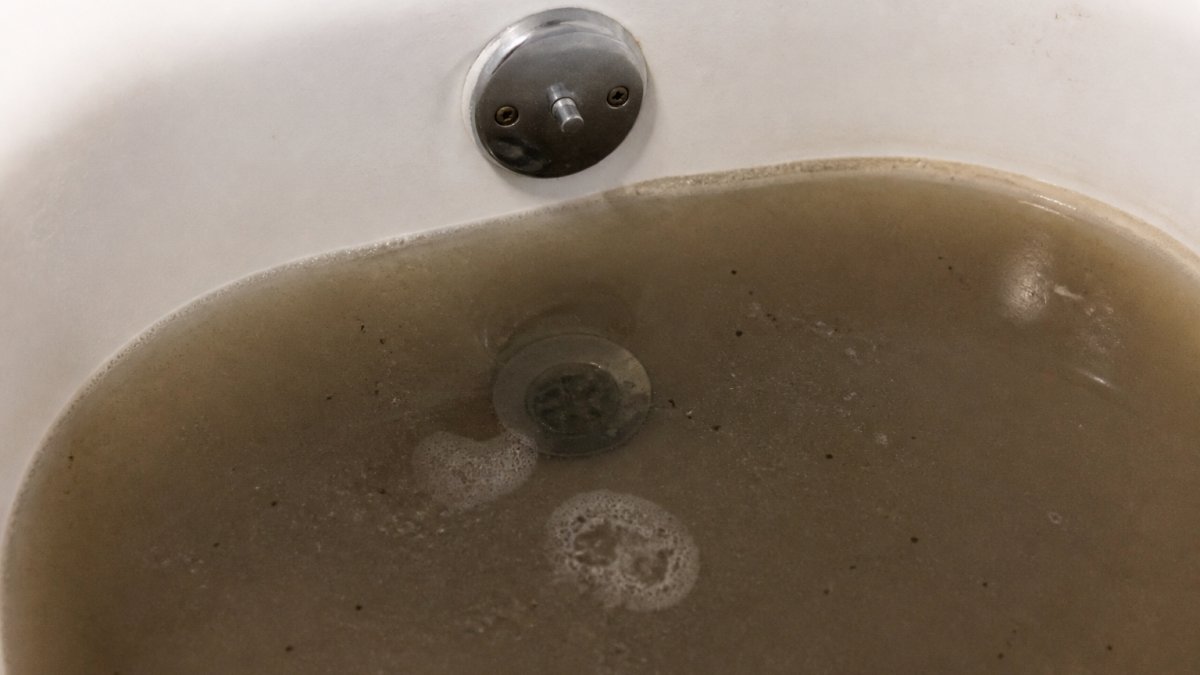
This happens because these fixtures sit at the lowest point in the system. When the main line blocks, waste seeks the lowest opening. A basement floor drain or first-floor shower often becomes that opening.
What to watch for:
- Dark water rising in a shower or tub you did not fill
- Waste appearing in a floor drain
- Toilets overflowing when nothing else is running
- A septic smell that gets stronger near these fixtures
Stop using all water immediately. Do not run the dishwasher, washing machine, or any tap. Call a licensed plumber. Sewage carries bacteria and viruses, so keep children and pets away from the affected area.
3. Gurgling Sounds and Bubbling Drains
Gurgling or bubbling sounds from your drains mean air is trapped in the pipe. That trapped air is a classic symptom of a sewer line blockage.
When water cannot flow freely, it pushes air ahead of it. That air escapes through the nearest drain, creating the gurgle. You will often hear it from a toilet, sink, or shower you are not even using.
Listen for these sounds:
- A toilet that gurgles after you flush another one
- Bubbling in a sink when the washing machine drains
- A shower drain that gurgles for no clear reason
- Repeated bubbling that gets louder over time
A common mistake is to ignore gurgling because the drain still works. But gurgling is the pipe telling you a clog is forming. Catch it early and you may avoid a full backup.
4. Foul Sewage Odors Indoors or Outdoors
A sewage smell inside or outside your home points to a blockage or a broken pipe. The odor comes from waste and gas that should be moving away from your house.
Indoors, check near floor drains, basement sinks, and toilets. These are common spots for sewer gas to escape. Outdoors, a strong smell near your yard or foundation is a red flag.
What the smell can mean:
- A dry floor drain letting gas in
- A clogged main line pushing gas back up
- A cracked or separated sewer pipe
- A failing septic system
Foul odors are more than unpleasant. Sewer gas can cause headaches and nausea, and it signals a real problem in the line. If the smell lingers after you run water down the drains, the issue is likely in the main line, not a single fixture.
5. Water or Waste in Lower-Level Drains
Water or waste appearing in lower-level drains is one of the most serious signs on this list. Basement and ground-floor drains sit closest to the main line, so they show trouble first.
If your basement floor drain backs up when you run water upstairs, the main line is almost certainly blocked. The waste has nowhere to go but the lowest point.
Watch for:
- A basement floor drain that backs up during showers or laundry
- Standing water around a floor drain after heavy use
- Waste or dark water in a utility sink
- Recurring backups that clear on their own, then return
That last point matters. A clog that seems to fix itself is not gone. It has just shifted. It will come back, usually at the worst time.
Tap to easily schedule service today! →
6. Standing Water or Lush Patches in the Yard
Standing water or unusually lush patches of grass in your yard can signal a broken or blocked sewer line underground. Wastewater leaking into the soil feeds the grass, so it grows faster and greener than the rest of the lawn.
Look for these outdoor clues:
- A strip of grass that stays green when everything else dries out
- Soggy spots or soft ground over the sewer path
- Lawn indentations or sunken areas
- Pools of standing water that will not drain
- A sewage smell in the yard
These signs often mean the pipe has cracked, shifted, or clogged to the point of leaking. Tree roots are a frequent cause. They find the moisture in the pipe, force their way in, and grow until they block the flow.
Do not dig up the yard on a guess. A camera inspection shows exactly where the problem is before anyone breaks ground.
7. How to Tell If Your Main Drain Is Clogged vs. a Fixture Clog
The fastest way to tell a main drain clog from a fixture clog is to test more than one drain. If only one fixture is slow, it is a fixture clog. If several are slow or backing up, it is the main line.
Here is a simple way to decide:
| What You See | Likely Cause | What to Do |
|---|---|---|
| One sink or toilet slow, others fine | Fixture clog | Try a plunger or snake at that fixture |
| Several drains slow at once | Main line clog | Stop water use, call a plumber |
| Waste in tubs or floor drains | Main line blockage | Emergency call, avoid contact |
| Gurgling plus slow drains | Main line clog forming | Schedule service soon |
| Sewage smell plus soggy yard | Broken or blocked main line | Request a camera inspection |
Run this test before you call anyone:
- Fill a sink and let it drain. Note the speed.
- Flush a toilet in a different room. Listen for gurgling.
- Run the washing machine briefly. Watch the nearest floor drain.
If more than one of these shows a problem, treat it as a main-line issue. That test takes two minutes and can save you from the wrong fix.
8. How to Clear a Main Sewer Line Clog: Safe DIY Steps
Some main-line clogs respond to safe DIY steps. Others need a licensed plumber and proper equipment. Knowing where the line is matters.
Safe DIY checks:
- Stop all water use in the house.
- Locate your main cleanout, usually a capped pipe near the foundation or yard.
- Remove the cap slowly. If water pours out, stop and call a plumber.
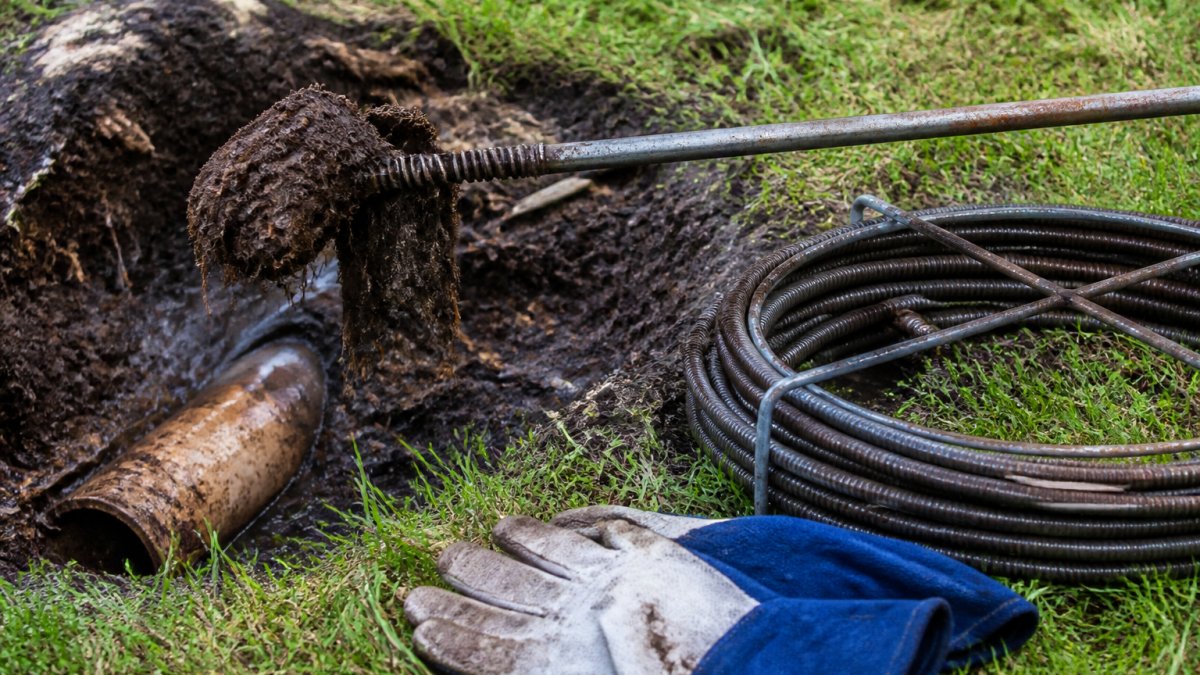
- If the cleanout is dry, feed a hand snake into the line and turn it gently.
- Flush with a bucket of water and watch how it drains.
Work that needs a professional:
- Anything past the cleanout that a hand snake cannot reach
- Root intrusion, which needs a cutting tool
- Collapsed, shifted, or bellied pipe
- Repeated clogs in the same spot
- Any active sewage backup
A hand snake handles soft clogs near the cleanout. It will not clear roots or a broken pipe. For those, a plumber uses a camera inspection to see the exact problem before choosing a fix. That step prevents the "patch it and hope" cycle that sends homeowners back to the phone in six months.
What to Do Immediately During an Active Sewage Backup
During an active sewage backup, stop using all water at once and keep people away from the waste. Then call a licensed plumber.
Follow these steps in order:
- Stop every tap, appliance, and toilet. No flushing.
- Keep children, pets, and anyone with health issues away from the area.
- Turn off power to any flooded basement outlets if you can do so safely.
- Open windows and doors to vent sewer gas.
- Do not touch the waste with bare hands. Wear gloves and boots if you must move items.
- Document the damage with photos for your records.
- Call a plumber for emergency service.
Sewage contains bacteria, viruses, and parasites that cause illness. Cleanup is not just mopping. Affected surfaces need proper disinfection, and porous items like carpet often need removal. If the backup is large, a professional cleanup crew may be needed after the line is cleared.
Once the line is open, ask about a camera inspection. It shows whether the clog was a one-time event or a sign of damage that will return.
A main sewer line blockage rarely fixes itself, and the signs above only get worse with time. When several drains fail at once, waste backs into your home, or your yard shows the warning signs, you need fast help from someone you can trust. Rich's Plumbing Heating & Air Conditioning has served homeowners for over 30 years as a family-owned, licensed, bonded, and insured team. We offer a 60-minute response time for urgent calls, free estimates for most services, and a 100% satisfaction guarantee on every job. Tap to easily schedule service today! and put a stop to the backup before it causes more damage.
Frequently Asked Questions
How do you fix a main sewer line blockage?
Fixing a main sewer line blockage typically involves a licensed plumber using a drain snake, hydro-jetting equipment, or a sewer line camera inspection to locate and clear the clog. If the blockage is caused by tree roots or a collapsed pipe, repair may require excavation or trenchless replacement. Homeowners should avoid chemical drain cleaners, which can damage pipes and rarely clear a main-line clog. Calling a professional ensures the blockage is fully removed and the underlying cause is addressed.
How much does it cost to clear a sewer line?
The cost to clear a sewer line depends on the severity of the blockage, the length of the line, and whether a camera inspection or repair is needed. Simple snaking or hydro-jetting jobs generally cost less than repairs involving root intrusion or pipe damage. Rich’s Plumbing Heating & Air Conditioning offers free estimates for most services, so homeowners can get a clear quote before work begins. Pricing varies by job scope, so request an estimate for accurate numbers.
Will Drano unclog the main sewer line?
Chemical drain cleaners like Drano are not effective on main sewer line clogs and can actually harm your pipes. These products are designed for small fixture clogs, not the large volume of waste and debris that blocks a main line. Using them repeatedly can corrode pipes and create a bigger repair problem. A licensed plumber has the equipment to safely clear a main-line blockage without damaging your plumbing system.
Can a clogged main sewer line affect multiple drains?
Yes, a clogged main sewer line affects multiple drains throughout the home because all fixtures connect to the same main line. When the main line is blocked, wastewater has nowhere to go, so it backs up into the lowest drains first, such as basement floor drains, tubs, and showers. If you notice several drains draining slowly or backing up at once, that is a strong sign of a main sewer line blockage rather than a single fixture clog.