 blog
blog
Heat Pumps for Older Homes in New Jersey: Worth It?
Table of Contents
- Can Heat Pumps Actually Heat Older Homes in Cold Weather?
- Heat Pump vs Furnace for Older Homes: Key Differences
- Older Home Insulation and Heat Pumps: The Real Requirement
- Heat Pump for Homes Without Ductwork: Your Options
- Heat Pump Installation Cost and New Jersey Incentives
- Operating Costs and Winter Performance: What to Expect
- Is a Heat Pump Worth It for Your Older Home?
- Frequently Asked Questions
Last Updated: October 10, 2026
Can Heat Pumps Actually Heat Older Homes in Cold Weather?
Heat pumps older homes can work well, but success depends on your home's condition and how you use the system. Many homeowners wonder whether heat pumps are worth it for older homes in New Jersey, especially during cold winters. The short answer: they can deliver solid heating, but older homes need preparation first.
Heat pumps pull warmth from outside air and move it indoors. Even in cold weather, air contains usable heat until temperatures drop well below zero. Modern cold-climate heat pumps operate efficiently down to 5-15°F, which covers most New Jersey winters. However, older homes often lack the insulation and air sealing that make heat pumps truly effective.
The real issue isn't whether heat pumps work in cold climates. It's whether your older home is ready for them. A poorly insulated attic or drafty windows force the heat pump to work harder and longer, driving up electricity costs. This is where many older-home owners run into trouble.
Heat Pump vs Furnace for Older Homes: Key Differences
The choice between a heat pump and furnace for older homes comes down to three factors: upfront cost, operating costs, and your home's current setup. A furnace burns fuel (gas or oil) to create heat. A heat pump uses electricity to move existing heat indoors. For older homes, this distinction matters.
Furnaces work reliably in any climate and don't require your home to be well-insulated to function. They're straightforward to install, especially if you already have ductwork. Heat pumps perform best in well-sealed, well-insulated homes. If your older home has air leaks and poor insulation, a furnace may deliver better comfort for less money upfront.
However, heat pumps offer year-round cooling, which furnaces don't. If summer comfort matters to you, a heat pump solves both heating and cooling in one system. Many New Jersey homeowners value this dual functionality, even if heating efficiency isn't perfect.
| Factor | Heat Pump | Furnace |
|---|---|---|
| Works in cold weather | Yes (down to 5-15°F) | Yes (any temperature) |
| Requires good insulation | Yes | No |
| Provides cooling | Yes | No |
| Operating cost in winter | Moderate to high | Low to moderate |
| Upfront installation | Higher | Lower |
| Best for older homes | With upgrades | As-is |
Older Home Insulation and Heat Pumps: The Real Requirement
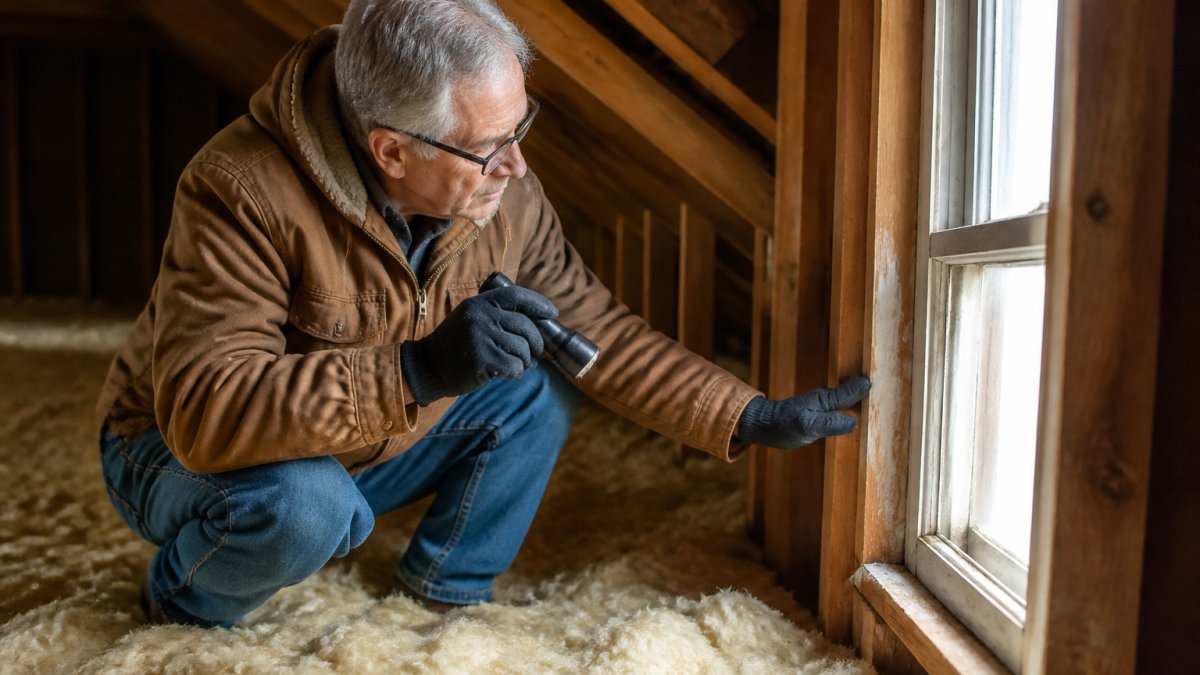
Insulation is the foundation of heat pump performance in older homes. Without it, your heat pump becomes an expensive space heater that runs constantly. Most homes built before 1980 have minimal attic insulation, single-pane windows, and air leaks around doors, outlets, and foundation gaps.
Before installing heat pumps older homes, seal and insulate first. Start with the attic, heat rises, so poor attic insulation is your biggest energy drain. Add insulation to reach R-38 to R-49 depending on your region. Seal air leaks around penetrations: where pipes, wires, and ducts pass through the attic. Caulk or weatherstrip windows and doors.
These upgrades cost money upfront, but they make a heat pump actually worth it. Without them, you're paying premium electricity rates to heat a leaky home. With them, a heat pump delivers real savings and comfort.
Heat Pump for Homes Without Ductwork: Your Options
Many older homes have radiator or baseboard heating with no ductwork, or rely on hydronic boiler systems. Installing ductwork for a traditional forced-air heat pump is expensive and disruptive, often $5,000 to $15,000 in labor alone. But ductwork is only one barrier; electrical service, outdoor unit placement, and code compliance add complexity.
Ductless Mini-Split Systems
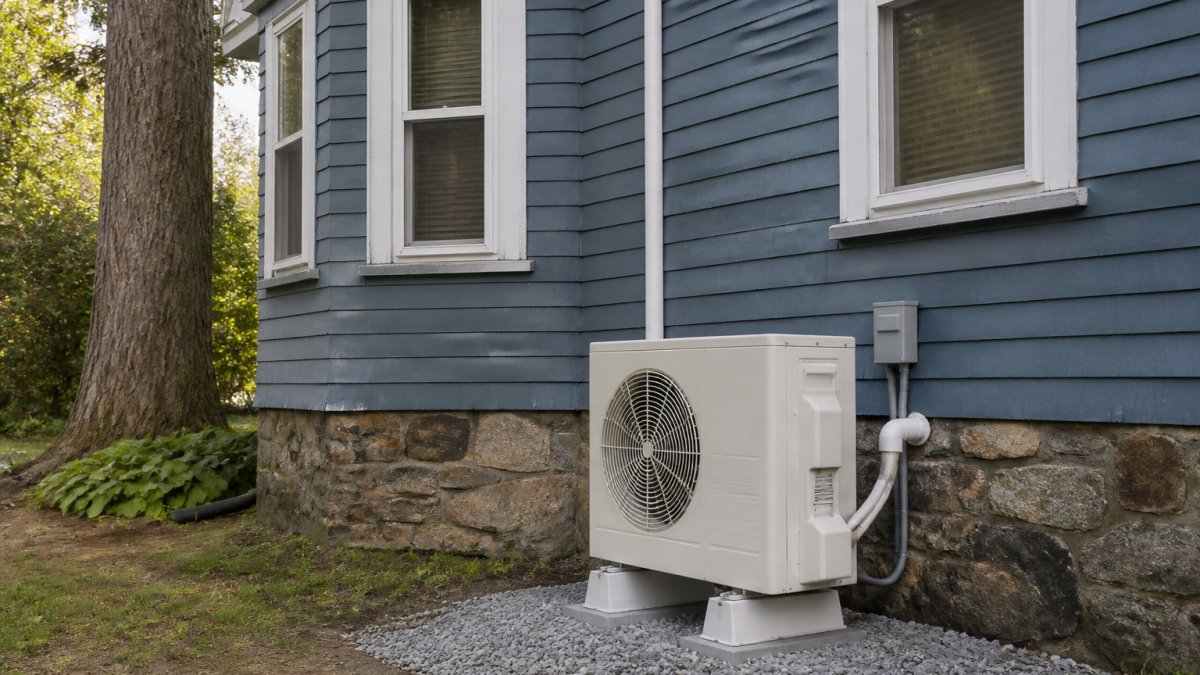
Ductless mini-split heat pumps have an outdoor unit and indoor wall-mounted heads that deliver warm or cool air directly to rooms. No ductwork needed. Installation is cleaner and faster than retrofitting ducts. Mini-splits work well for older homes and let you heat specific zones rather than the whole house.
Hydronic Integration and Hybrid Heat
Older homes with boiler-based radiator or baseboard systems can pair a heat pump with the existing boiler in a hybrid configuration. The heat pump handles mild-weather heating and all cooling; the boiler provides backup on cold days. This avoids ripping out radiators and preserves your existing system. Installation requires a qualified technician to integrate controls and piping, typically adding $2,000 to $5,000 to the project cost.
Electrical Service and Panel Upgrades
Heat pumps draw significant electrical load. A typical 3-ton mini-split or central system requires 30-60 amps of dedicated circuit capacity. Older homes often have 100-amp or 150-amp main panels with little spare capacity. Upgrading to a 200-amp service runs $1,500 to $3,000 and requires a licensed electrician and local permitting. This is a hidden cost many homeowners discover only after getting a contractor quote.
Outdoor Unit Placement and Noise
Heat pump outdoor units need clearance from walls, fences, and vegetation for airflow. In older neighborhoods with tight lot lines, finding a suitable location can be challenging. The outdoor unit also generates noise, typically 50-60 decibels, similar to a window air conditioner. If your property is close to neighbors or you have noise concerns, discuss placement options and quieter models with your installer.
Permitting and Contractor Selection
Heat pump installation in older homes often requires electrical permits, HVAC permits, and sometimes building permits for ductwork or structural changes. Permitting timelines vary by municipality but typically add 1-2 weeks to the project. Work with a licensed installer experienced in older homes; they'll navigate permitting, identify code issues upfront, and help you avoid costly surprises.
Heat Pump Installation Cost and New Jersey Incentives
Total heat pump project cost for an older home typically ranges from $8,000 to $25,000 or more, depending on system type, home condition, and necessary upgrades. Breaking down the cost helps you plan and identify where incentives apply.
Equipment and Installation Costs
- Central forced-air heat pump (with ductwork retrofit): $6,000-$12,000 for equipment and installation; add $5,000-$15,000 if ductwork must be added or significantly modified.
- Ductless mini-split (single zone): $3,500-$8,000 installed.
- Ductless mini-split (multi-zone, 2-3 heads): $6,000-$15,000 installed.
- Hybrid heat pump + boiler integration: $5,000-$12,000 for equipment and integration labor.
- Electrical panel upgrade (if needed): $1,500-$3,000.
- Insulation and air sealing (attic, windows, doors): $2,000-$8,000 depending on scope.
Federal and State Incentives
Tap to easily schedule service today! →
The Inflation Reduction Act (IRA), effective through 2032, offers a federal tax credit of up to $2,000 for heat pump installation in existing homes. The credit applies to both equipment and installation labor. Income limits apply; check IRS Publication 5695 for current thresholds.
New Jersey's Clean Energy Program provides rebates for heat pump installations. Rebate amounts vary by system type and efficiency rating but typically range from $500 to $2,500. The program prioritizes low-income households and may offer enhanced rebates.
Some utility companies in New Jersey offer additional rebates or time-of-use rate discounts for heat pump customers. Contact your local utility to ask about programs; savings can range from $200 to $1,000 over the system's lifetime.
Calculating Net Cost and Payback
Example: A homeowner in a 1,500-square-foot older home installs a ductless mini-split system ($7,000), upgrades attic insulation ($3,500), and seals air leaks ($1,500). Total project cost: $12,000.
- Federal tax credit: −$2,000
- State rebate: −$1,000
- Net cost after incentives: $9,000
If the system reduces heating and cooling costs by $80 per month ($960 per year) compared to the previous furnace and window AC, payback occurs in roughly 9-10 years. After payback, savings accumulate.
Timing and Incentive Changes
Federal tax credits and state rebates are subject to change. The IRA credit is scheduled to phase down after 2032. If you're considering a heat pump, applying for incentives sooner rather than later locks in current rates.
Financing Options
Many contractors offer financing plans (0% APR for 12-24 months, or longer-term loans). Some homeowners use HELOC or home equity loans to spread costs. Factor financing costs into your payback calculation; a lower upfront cost with higher interest rates may extend payback by 1-2 years.
Work with a licensed installer who understands older homes and can itemize costs clearly. Ask for a detailed quote that separates equipment, labor, electrical work, and any insulation upgrades. This transparency helps you identify which costs qualify for incentives and plan your budget realistically.
Operating Costs and Winter Performance: What to Expect
Heat pump operating costs depend on insulation, outdoor temperature, and your local electricity rates. In a well-insulated home, a heat pump costs less to run than a gas furnace in most winters. In a poorly insulated home, it costs more because the system runs constantly.
New Jersey winters are mild compared to northern states, but January and February still bring cold snaps. During these periods, most heat pumps switch to backup electric resistance heating, which is expensive. This is where poor insulation hurts, your heat pump can't keep up, so backup heat kicks in and your bill spikes.
Many homeowners pair heat pumps with furnaces for backup on the coldest days. This dual-fuel setup gives you efficiency on mild winter days and reliable backup when it's freezing. It costs more upfront but protects you from surprise heating bills.
Is a Heat Pump Worth It for Your Older Home?
Heat pumps for older homes in New Jersey are worth it if three conditions are met: your home is reasonably insulated, you value year-round cooling, and you're prepared for higher upfront costs. If your home is drafty and uninsulated, invest in weatherization first. If you only need heating, a furnace is simpler and cheaper.
The real value of heat pumps isn't just lower energy bills, it's comfort and flexibility. You get heating and cooling in one system. You can zone heating to occupied rooms. You reduce your carbon footprint. These benefits justify the cost for many homeowners, especially those staying in their homes long-term.
Before deciding, get a professional assessment. An energy audit shows what your home needs. A licensed HVAC contractor can explain your options clearly. A licensed HVAC contractor can explain your options clearly and walk you through the trade-offs specific to your older home, helping you make a decision that fits your budget and comfort goals.
Frequently Asked Questions
Can a heat pump heat an older home in cold weather?
Yes, but performance depends on your home's condition. Modern cold-climate heat pumps can operate efficiently down to 5-15°F. Older homes with poor insulation and air leaks lose heat faster, forcing the heat pump to work harder and reducing efficiency. A professional energy audit can determine if your home's envelope is ready for a heat pump system.
What's the difference between a heat pump vs furnace for older homes?
Furnaces burn fuel (gas or oil) to generate heat; heat pumps move existing heat from outside air or ground into your home. Heat pumps are more efficient in mild climates but struggle in extreme cold without backup heat. Furnaces perform consistently in harsh winters but cost more to operate. Older homes often benefit from dual-fuel systems combining both technologies.
Can I install a heat pump in a home without ductwork?
Yes. Ductless mini-split systems deliver heating and cooling directly to individual rooms without central ducts. They're ideal for older homes with radiators, baseboard heat, or no existing HVAC infrastructure. Installation is less invasive than adding ducts, though you'll see indoor wall units. This option works well for homes where retrofitting ducts isn't practical or cost-effective.
Is a heat pump cheaper to run than a furnace?
In mild winters, heat pumps typically cost 30-50% less to operate than gas furnaces. However, in extreme cold, backup electric heat kicks in, raising costs significantly. Your savings depend on local electricity rates, winter severity, and your home's insulation. Get a detailed operating-cost comparison from a local HVAC professional who knows regional utility pricing and winter conditions.
If your older home needs heating upgrades, don't guess. Get a professional assessment from Rich's Plumbing Heating & Air Conditioning. Our team has spent over 30 years helping New Jersey homeowners choose the right system for their homes. We provide honest advice, free estimates, and fast installation backed by a 100% satisfaction guarantee. Call today to schedule your consultation and learn which heating solution makes sense for your older home.