 blog
blog
7 Ways to Prevent Main Line Sewer Clogs
Table of Contents
- Why Main Sewer Line Clogs Happen and Why Prevention Matters
- 1. Stop Pouring Grease, Fats, and Oils Down Your Drains
- 2. Know What Not to Flush Down the Toilet
- 3. Keep Food Scraps and Cooking Residue Out of Kitchen Drains
- 4. Install and Maintain Drain Strainers and Sink Baskets
- 5. Address Hair and Soap Scum Buildup in Bathroom Drains
- 6. Protect Your Sewer Line from Tree Root Intrusion
- Recognize Sewer Line Warning Signs Before a Major Blockage
- Frequently Asked Questions
Last Updated: October 4, 2026
Why Main Sewer Line Clogs Happen and Why Prevention Matters
A clogged main sewer line is one of the costliest plumbing emergencies a homeowner can face. Unlike a single drain that backs up in one fixture, a main line blockage affects your entire home's plumbing system, water backs up into multiple drains at once, toilets won't flush, and showers drain slowly or not at all.
Understanding how to prevent main line sewer clogs saves you thousands in emergency repairs and the stress of a complete plumbing shutdown.
The good news: you control most of what goes into your drains. Small daily habits protect your sewer line from blockages.
1. Stop Pouring Grease, Fats, and Oils Down Your Drains
Grease is the single biggest culprit behind main sewer line clogs. It flows down as a liquid when hot, then cools and hardens inside your pipes.
Here's how to prevent grease from entering your drains:
- Wipe down cookware before washing. Use a paper towel to remove excess grease from pans, plates, and utensils. Throw the paper towel in the trash.
- Pour grease into a container. Let cooking oil and meat fat cool and harden in a disposable cup or can. Toss it in the garbage once it's solid.
- Never use the garbage disposal for grease. The disposal grinds it up, but it still flows into your sewer line where it solidifies.
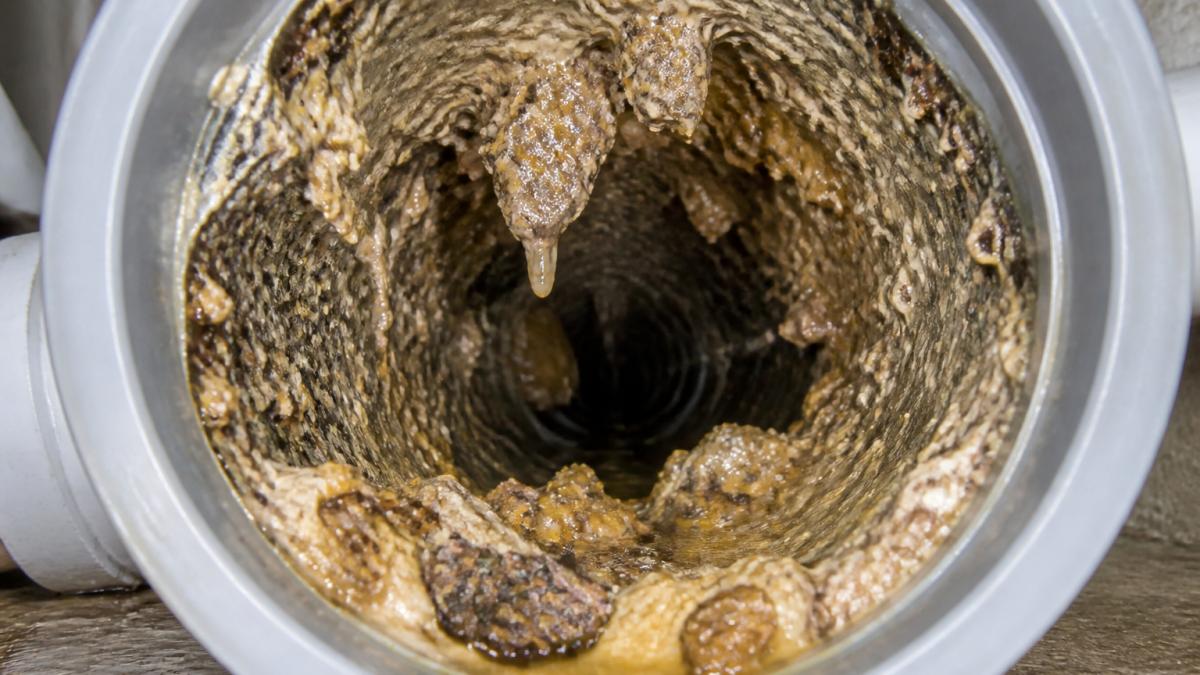
Hot water keeps grease liquid only while flowing; it hardens once it enters cooler pipes deeper in your system. Flushing grease with hot water accelerates main sewer line clogs.
2. Know What Not to Flush Down the Toilet
Your toilet is designed for human waste and toilet paper only. Everything else creates problems.
Flushable wipes are marketed as safe for plumbing, but they don't break down like toilet paper. They bunch up, tangle, and create blockages in your sewer line.
Here's what never belongs in your toilet:
- Wipes of any kind. This includes baby wipes, cleaning wipes, and "flushable" wipes. Throw them in the trash.
- Paper products other than toilet paper. Paper towels, napkins, and facial tissues don't dissolve. They accumulate and trap other debris.
- Personal hygiene products. Pads, tampons, and applicators don't break down. They lodge in your sewer line.
Flush only toilet paper; everything else goes in the trash.
3. Keep Food Scraps and Cooking Residue Out of Kitchen Drains
Your kitchen drain is not a garbage disposal. Even with a disposal unit, it's not designed to handle large volumes of food waste.
Food scraps rot in your pipes, attract bacteria, and create sludge that traps grease, hair, and other debris. Over time, the sludge hardens and blocks your sewer line.
Protect your kitchen drain with these steps:
- Scrape dishes into the trash before washing. Remove all visible food before the plate or pan touches water. Don't let food wash down the drain.
- Use a drain strainer in your sink. A simple mesh basket catches food particles and prevents them from entering your pipes.
- Limit garbage disposal use. If you have one, use it sparingly and only for small amounts of soft food. Run cold water while it operates to help flush debris through.
Starch from pasta water and rice swells and hardens in pipes. Drain noodles completely before disposing of water.
4. Install and Maintain Drain Strainers and Sink Baskets
A drain strainer is one of the cheapest and most effective tools for preventing main sewer line clogs.
Every sink, shower, and drain should have a strainer or basket. They cost just a few dollars and save thousands in repairs.
Here's how to use them effectively:
- Choose the right strainer. Mesh strainers catch smaller particles. Basket strainers hold more debris. For kitchen sinks, a basket strainer is best. For bathroom sinks and showers, a mesh strainer works well.
- Empty strainers daily. Don't wait for them to overflow. Remove trapped hair, food, and debris every single day and throw it in the trash.
- Rinse strainers under running water. This removes fine particles that could still slip through and enter your pipes.
Installing strainers takes five minutes; maintaining them takes seconds daily and prevents a huge percentage of drain problems.
5. Address Hair and Soap Scum Buildup in Bathroom Drains
Hair and soap scum accumulate inside pipes and create blockages.
Hair tangles with soap residue and other debris, forming dense clogs. Soap scum is a waxy buildup that coats pipes and traps other materials.
Prevent hair and soap scum problems with these strategies:
- Install a drain screen in every shower and tub. A screen catches hair before it goes down the drain. Empty it after each use.
- Clean drain screens regularly. Rinse them under running water to remove soap and hair buildup.
- Use a drain brush or plumbing snake monthly. These tools remove buildup from the first few feet of pipe before it travels to your main sewer line.
- Avoid using drain cleaning chemicals. Many chemical drain cleaners damage pipes and don't solve the root problem. They're also harmful to your plumbing system and the environment.
6. Protect Your Sewer Line from Tree Root Intrusion
Tree roots seek moisture and nutrients in your sewer line. Over time, roots penetrate small cracks and grow inside the pipe.
Root intrusion creates blockages that are difficult to clear and may eventually require pipe replacement.
Tap to easily schedule service today! →
Here's how to protect your sewer line from root damage:
- Know where your sewer line runs. Contact your local utility company for a free locate service. They'll mark where your sewer line is buried. Avoid planting large trees directly above it.
- Plant trees away from your sewer line. Keep trees at least 10 feet away from your main sewer line. Larger trees need more distance.
- Choose tree species carefully. Willows, poplars, and maples have aggressive root systems. Oaks and elms are less problematic. Ask a local arborist which trees are safe for your area.
- Remove trees that threaten your line. If a tree is already growing over your sewer line and showing signs of root intrusion, removal may be necessary.
Tree root intrusion is one of the hardest problems to prevent once roots have entered your pipe. The best strategy is preventing trees from growing in dangerous locations.
Recognize Sewer Line Warning Signs Before a Major Blockage
Common Warning Signs of Main Sewer Line Issues
Watch for these signs that indicate a sewer line problem:
- Multiple drains backing up at the same time. If your toilet, shower, and sink all drain slowly or back up together, the problem is likely in your main sewer line, not a single drain.
- Slow drains throughout your home. A gradual slowdown across multiple fixtures suggests buildup in your main line.
- Frequent clogs in the same location. If you keep needing to clear the same drain, the blockage may be deeper in your sewer system.
- Sewage smell inside or outside your home. A strong sewage odor indicates a crack or leak in your sewer line.
When to Call a Professional vs. When to Try Prevention First
Call a professional immediately if:
- Multiple drains back up at the same time. This almost always indicates a main-line blockage that requires professional clearing.
- You smell sewage inside your home or see sewage backing up into a tub or shower. This is a health hazard and requires urgent professional attention.
- You see raw sewage in your yard or notice a persistent wet spot over your sewer line. This indicates a crack or break that needs repair.
- You've had recurring clogs in the same drain despite using a plunger and drain snake. The blockage is likely deeper than you can reach.
Try prevention and basic maintenance first if:
- Only one drain is slow (e.g., just the kitchen sink or just the bathroom sink). This is usually a localized clog you can address by removing debris from the strainer, using a plunger, or running a drain snake through that fixture.
- You've recently had a plumbing repair or had your drains cleaned and now notice slower drainage. This may be temporary sediment stirred up during the work.
- You haven't yet implemented the prevention habits in this guide. Start with grease control, drain strainers, and limiting what you flush. Give these changes 2-4 weeks to show results.
Professional Inspection and Maintenance Schedules
Periodic professional inspection can prevent major problems. How often you should have your sewer line inspected depends on several factors:
Inspect every 3-5 years if:
- Your home is more than 50 years old. Older pipes deteriorate and are more prone to cracks, root intrusion, and sagging.
- You have large trees growing within 20 feet of your sewer line. Roots can penetrate pipes even if you don't see obvious signs yet.
- You've had previous sewer line problems or repairs. Pipes that have failed once are more likely to fail again.
- You live in an area with clay soil. Clay shifts with moisture and temperature changes, stressing pipes.
Inspect every 5-10 years if:
- Your home was built between 1980 and 2000 with modern PVC or ABS pipes and no history of problems.
- You have no large trees near your sewer line.
- You live in an area with stable soil conditions.
- You follow all prevention habits consistently.
Inspect immediately (before waiting) if:
- You notice any of the warning signs listed above.
- You're buying a home and want a sewer line inspection as part of your due diligence. This typically costs $300-$800 and can reveal problems before you own the property.
- You're planning a major landscaping project or tree planting near your sewer line. An inspection shows you exactly where the line runs and helps you avoid damage.
What a Professional Sewer Line Inspection Includes
A professional inspection uses a camera to view the inside of your sewer line and identify:
- Grease buildup and sludge accumulation
- Root intrusion and the extent of root damage
- Cracks, breaks, and corrosion
- Sagging sections and offset joints
Based on inspection results, the plumber will recommend cleaning, repair, or replacement.
Safe Prevention vs. Harmful Chemical Treatments
Avoid chemical drain cleaners, which can damage older pipes and create safety hazards.
Instead, use a plunger, a hand-crank drain snake, or call a professional for hydro-jetting (high-pressure water cleaning). These methods are safe, effective, and won't damage your pipes.
Frequently Asked Questions
What causes a main sewer line to clog?
Main sewer line clogs result from grease and fat buildup, tree root intrusion, food debris, non-flushable items like wipes, hair and soap scum accumulation, and pipe deterioration from age or structural damage. Fats, oils, and grease (FOG) are the leading culprits, they solidify as they cool, trapping other debris. Tree roots seek moisture and can penetrate even small cracks in older pipes. Understanding these causes helps you focus prevention efforts on the most common threats to your sewer line.
How often should a main sewer line be inspected?
Most homeowners should schedule a professional sewer line inspection every 3 to 5 years as part of main sewer line maintenance, or immediately if you notice recurring clogs, slow drains, or backup issues. Homes with older pipes (40+ years), large trees near the property, or a history of sewer problems should inspect every 2 to 3 years. A video inspection using a camera allows professionals to spot early signs of deterioration, root intrusion, or blockages before they become emergencies.
Can tree roots cause a sewer line clog?
Yes, tree roots are a major cause of main sewer line blockages. Roots seek moisture and nutrients and can penetrate tiny cracks or joints in sewer pipes, then expand and create a blockage or collapse the pipe entirely. Trees planted within 10 feet of your sewer line pose the highest risk. If you have mature trees on your property, a professional sewer line inspection can detect root intrusion early. Removing or trimming trees and installing root barriers are preventive options.
What are the warning signs of a main sewer line blockage?
Sewer line warning signs include multiple slow or clogged drains throughout your home (not just one fixture), sewage backing up into your toilet or shower, persistent foul odors near drains or in your yard, and soggy patches in your lawn or foundation. Gurgling sounds from drains and a sudden spike in your water bill can also indicate a problem. If you notice multiple fixtures draining slowly at the same time, it's often a sign of a main line issue rather than a single-fixture clog, call a professional immediately.