 how-to
Why Do My Drains Smell Like Sewage: A Diagnostic Guide
Table of Contents
- Common Causes: Why Your Drains Smell Like Sewage
- How to Fix Sewer Smell From Your Drain: Step-by-Step Solutions
- Dry P-Trap Sewer Smell: Why It Happens and How to Fix It
- How to Clean a Smelly Drain: Safe Methods for Biofilm and Debris
- Sewer Smell But No Clog: What It Means and What to Do
- Safety First: When Sewer Gas Is a Health Concern
- Preventing Future Drain Odors: Maintenance Schedule
- When to Call a Plumber for Sewer Smell Issues
- Frequently Asked Questions
Last Updated: October 12, 2026
Common Causes: Why Your Drains Smell Like Sewage
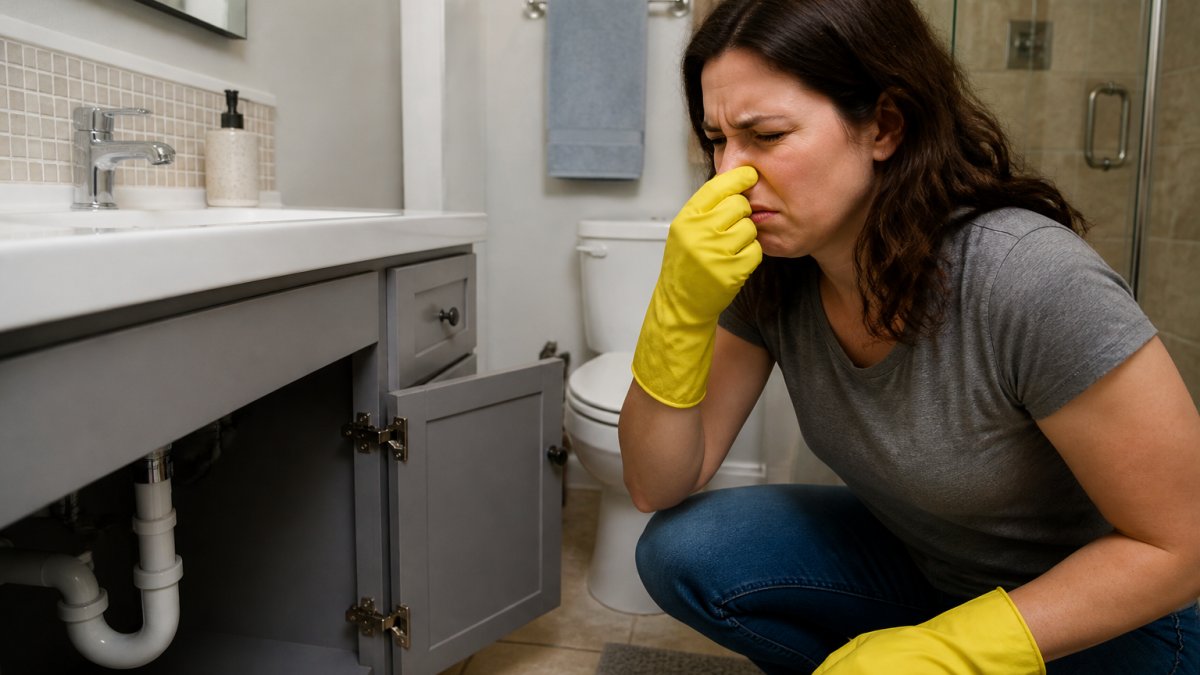
When drains smell like sewage, it doesn't always mean you have a major plumbing problem. The source is often something simple you can fix yourself.
The smell you're noticing likely comes from one of six main issues. Each one produces that unmistakable rotten egg or sulfur odor. Understanding what's happening in your plumbing system helps you decide whether to try a DIY fix or call a professional.
Dry P-Trap and Trap Seal Failure
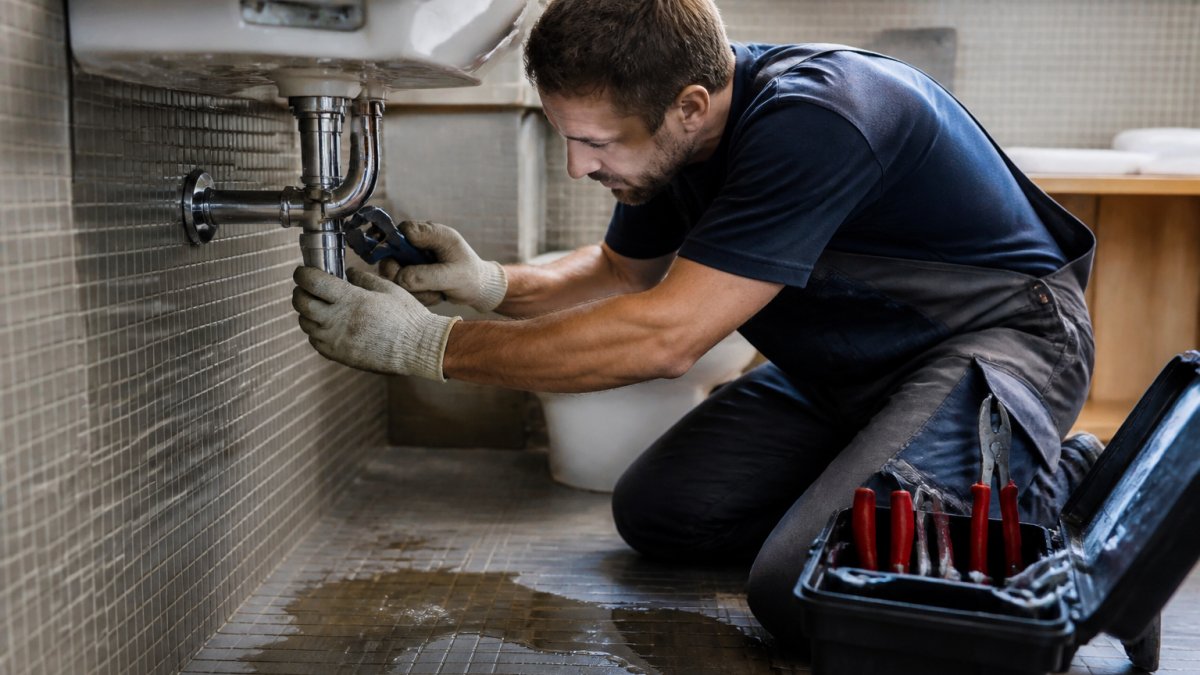
Your P-trap is a U-shaped section of pipe under your sink, shower, or tub. It holds water that creates a seal.
Why does a P-trap dry out? A drain you rarely use is the main culprit.
The fix is straightforward: run water down the drain for 30 seconds. This refills the trap and restores the seal.
Biofilm, Bacteria, and Organic Debris Buildup
Inside your drain pipes, a slimy layer called biofilm forms over time. This is a mix of bacteria, soap residue, hair, and organic debris. As it breaks down, it creates that rotten egg smell.
Biofilm buildup happens in every home eventually. It's not a sign of a clog or a serious problem. But it does produce hydrogen sulfide gas, which smells exactly like sewage.
Sewer Gas Escaping Through Blocked or Damaged Vents
Your plumbing system has vent pipes that run through your walls and roof. These vents let sewer gases escape safely outside your home. They also allow air into the system so water drains properly.
When a vent pipe gets blocked, sewer gases back up into your home instead of venting outside. Blockages happen from leaves, debris, bird nests, or ice in winter.
Clogged or Dirty Drains
A clogged drain traps water and organic material. Over time, this creates conditions where bacteria thrive and produce a foul smell. The smell gets worse as the clog gets older because more material accumulates.
Even a partially clogged drain can cause this. Water moves slowly through the pipe, giving bacteria time to break down soap, hair, and food particles.
Cracked or Blocked Sewer Lines
Your home's main sewer line carries all wastewater from your plumbing system to the municipal sewer or septic tank. If this line cracks or gets blocked, sewer gases can escape into your yard or seep into your home through drains and floor drains.
Tree roots are a common cause of cracked sewer lines. Blockages can come from grease buildup, collapsed pipes, or debris.
Improperly Installed or Faulty Toilets
A toilet has its own trap seal. If the toilet isn't installed correctly, the seal fails and sewer gas enters your bathroom. A cracked or damaged toilet bowl can also let gases escape.
How to Fix Sewer Smell From Your Drain: Step-by-Step Solutions
The best approach is to identify the source first, then apply the right fix. Start with the simplest solutions and work your way up to more involved steps.
Step 1: Identify the Source Room by Room
The room where you smell the odor tells you a lot. Is it coming from your bathroom, kitchen, laundry room, or basement? Is it near one drain or everywhere in the house?
Check each room:
- Smell near the sink? The issue is likely in that specific drain.
- Smell near the toilet? Check the toilet seal and the vent stack outside.
- Smell in the basement near a floor drain? That drain may be dry or the sewer line may be compromised.
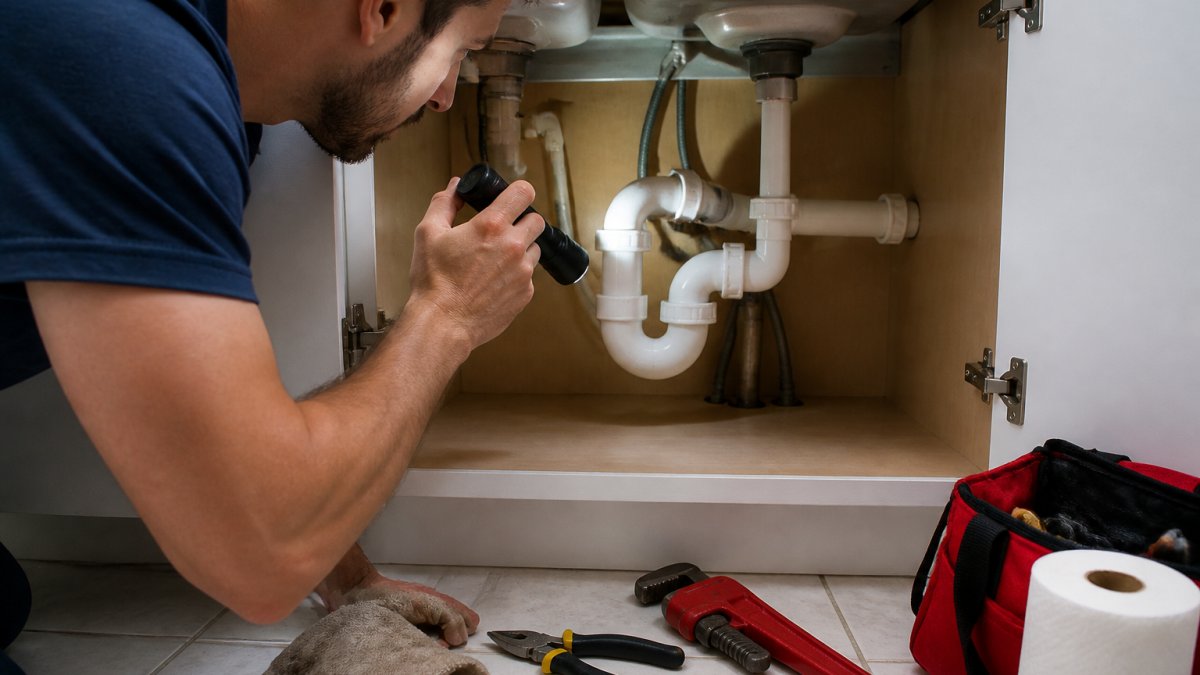
Step 2: Check and Refill Your P-Trap
This is the easiest fix and solves the problem in many cases.
What to do:
- Run hot water down the drain for 30 seconds
- Listen for the water draining normally
- Smell the drain opening, the odor should fade within a few minutes
If the smell returns after a few weeks, your trap may be leaking. Look under the sink for water pooling around the pipes. A slow leak means you need to replace the trap assembly.
Step 3: Flush and Clean the Drain Opening
Start with a simple cleaning before trying chemical products.
Steps:
- Remove any visible debris from the drain opening
- Boil a kettle of water
- Slowly pour the boiling water down the drain
- Wait 5 minutes
- Run cold water for 30 seconds
This flushes out loose biofilm and bacteria. You'll often notice the smell improving immediately.
Dry P-Trap Sewer Smell: Why It Happens and How to Fix It
A dry P-trap is the most common reason for sewer smell in homes.
Without water in the trap, nothing blocks sewer gases from rising through your drain. These gases carry that unmistakable rotten egg smell into your home.
Why your trap dries out:
- The drain hasn't been used in weeks or months
- A slow leak in the trap assembly
- A clogged vent pipe that prevents proper drainage (water drains too slowly and evaporates)
The permanent fix: Use the drain regularly. For a guest bathroom or rarely-used sink, run water once a week. This keeps the trap seal intact.
How to Clean a Smelly Drain: Safe Methods for Biofilm and Debris
When biofilm buildup is the cause, cleaning works well. You have several safe options that don't damage your pipes.
Boiling Water and Baking Soda Method
This is the safest and cheapest approach.
What you need:
- Baking soda
- White vinegar
- Boiling water
Steps:
Tap to easily schedule service today! →
- Remove standing water from the drain opening
- Pour 1/2 cup of baking soda down the drain
- Slowly pour 1 cup of white vinegar down the drain
- Cover the drain opening with a plug or cloth
- Wait 30 minutes
- Boil a kettle of water and slowly pour it down the drain
- Run cold water for 30 seconds
The baking soda and vinegar react to create a fizzing action that breaks up biofilm. The boiling water flushes it away. Repeat this process once a month to prevent buildup.
Enzymatic Drain Cleaner Approach
Enzymatic cleaners use natural enzymes to break down organic material. They're safer than chemical drain cleaners and work well for biofilm.
How to use them:
- Follow the product instructions for the amount to use
- Pour the cleaner down the drain
- Let it sit for the recommended time (usually 4-8 hours or overnight)
These cleaners work slowly but won't damage your pipes or create toxic fumes. They're good for regular maintenance.
When to Call a Professional for Deep Cleaning
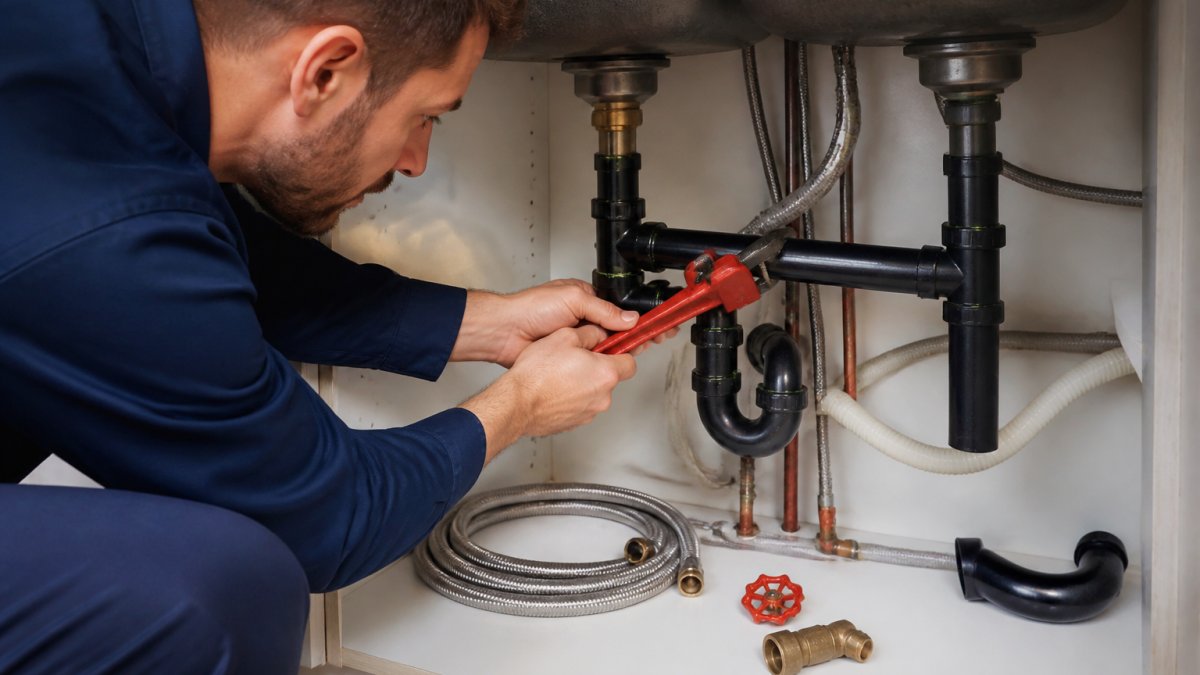
If the smell persists after trying these methods, the biofilm may be deeper in your pipes than you can reach. A professional plumber has tools like drain snakes and hydro-jetting equipment that clean the entire pipe length.
Rich’s Plumbing Heating & Air Conditioning offers drain cleaning services. We can identify whether biofilm, a clog, or another issue is causing the smell. If it's something simple, we'll fix it quickly.
Sewer Smell But No Clog: What It Means and What to Do
You might notice a strong sewer smell even though your drains seem to work fine. Water flows normally. Nothing is backing up. So why the odor?
This situation usually points to one of three causes:
A dry trap in a drain you don't use. Even though your main drains work fine, a secondary drain (guest bathroom, floor drain, shower) may have a dry trap. The smell from that one drain can spread through your home.
A blocked or damaged vent pipe. Sewer gases should escape through vent pipes that run outside your home.
A crack or break in your sewer line. This is the most serious scenario.
What to do:
- Check every drain in your home and run water down the ones you don't use often
- Look outside for a vent pipe on your roof, check if it's blocked by debris or ice
- If the smell continues after these checks, call a professional to inspect your sewer line
Safety First: When Sewer Gas Is a Health Concern
Sewer gas smells bad, but is it dangerous? But sewer gas does contain hydrogen sulfide and methane, which can cause health issues in high concentrations (Hydrogen Sulfide | Medical Management Guidelines | Toxic Substance Portal).
Symptoms of sewer gas exposure:
- Headaches
- Dizziness
- Nausea
These symptoms usually mean the gas concentration is high enough to be a concern.
When to seek help immediately:
- You smell sewer gas constantly, even after trying basic fixes
- Multiple people in your home are experiencing headaches or dizziness
- You see or smell raw sewage in your yard
Contact a plumber right away. In severe cases, you may need to call your local health department or environmental protection agency.
For ongoing concerns, the EPA provides guidance on indoor air quality and sewer gas risks. Proper ventilation in your home helps reduce any risk from sewer gas.
Preventing Future Drain Odors: Maintenance Schedule
Once you've fixed the current smell, a simple maintenance routine keeps it from coming back.
Monthly:
- Run hot water down every drain in your home for 30 seconds
- Use the boiling water and baking soda method on drains you use daily
Quarterly:
- Pour enzymatic drain cleaner down main drains
- Check for any new odors and address them immediately
Annually:
- Have a professional inspect your plumbing system if you've had recurring odor problems
- Check your roof vent pipes for blockages or damage
- Look around your yard for signs of sewer line problems (soft spots, unusually green patches, standing water)
This schedule prevents dry traps, biofilm buildup, and early warning signs of bigger problems.
When to Call a Plumber for Sewer Smell Issues
Some problems you can handle yourself. Others need professional tools and expertise.
Call a plumber if:
- The smell persists after you've tried basic cleaning and refilling the trap
- The smell comes from multiple drains throughout your home
- You see or suspect sewage backing up into your home
Rich's Plumbing Heating & Air Conditioning can diagnose the problem in one visit.
The Plumbing-Heating-Cooling Contractors Association provides resources on sewer system maintenance. Understanding your plumbing system helps you catch problems early.
If you're in the area and need help, we're ready to assist.
| Problem | Cause | DIY Fix | Professional Help |
|---|---|---|---|
| Smell from one drain only | Dry P-trap or biofilm | Run water weekly, use baking soda method | Not needed unless trap leaks |
| Smell from multiple drains | Blocked vent or sewer line issue | Check roof vent for blockage | Inspection and cleaning required |
| Smell with slow drains | Clogged drain with biofilm | Enzymatic cleaner or boiling water | Drain snaking or hydro-jetting |
| Smell with backed-up sewage | Cracked sewer line or major blockage | None, call immediately | Professional inspection and repair |
Frequently Asked Questions
How do I know if a dry P-trap is causing my drain to smell like sewage?
A dry P-trap is one of the most common causes of sewer smell from drains. The P-trap is a U-shaped pipe that holds water to create a seal, blocking sewer gases from entering your home. If a drain hasn't been used in weeks or months, or if water evaporates due to low humidity, the trap dries out and loses its seal. You'll notice the odor is strongest when you first run water or use that drain. To test, pour a cup of water down the drain and wait a few hours, if the smell returns, the trap likely needs refilling.
What's the safest way to clean a smelly drain without damaging my plumbing?
Start with boiling water and baking soda, the safest method for most drains. Pour half a cup of baking soda down the drain, followed by a cup of boiling water, and let it sit for 15 minutes before flushing with hot water. This removes biofilm and organic debris without harsh chemicals. For stubborn odors, enzymatic drain cleaners designed to break down soap residue and bacteria are safer than chemical cleaners and won't corrode pipes. Avoid mixing products, and never use plungers or drain snakes without knowing what's causing the smell, you could push a blockage deeper into your sewer line.
Is it safe to stay in my house if it smells like sewer gas?
Occasional sewer smell is usually harmless, but persistent sewer gas exposure can cause headaches, nausea, and respiratory irritation, especially in children and elderly people. Sewer gas contains hydrogen sulfide, which smells like rotten eggs and can be dangerous in high concentrations. If the smell is strong, widespread, or accompanied by gurgling sounds from drains or toilets, open windows immediately for ventilation and contact a licensed plumber. A blocked plumbing vent or cracked sewer line requires professional inspection and repair, these are not DIY fixes.
Why does my drain smell like sewage even though there's no clog?
A clogged drain is just one cause of sewer smell. Your drain may smell like sewage because of a dry P-trap, biofilm buildup inside the drain pipe, a blocked or damaged plumbing vent, or even a cracked sewer line. Improperly installed toilets can also allow sewer gases to escape. If refilling the trap and cleaning the drain don't solve the problem, the issue is likely deeper in your plumbing system or venting. A plumber can inspect your vent pipes, check for cracks in your sewer line, and verify that all trap seals are working correctly.