 how-to
Why AC Unit Freezes Up: Causes and Fixes
Table of Contents
- Why Your AC Unit Freezes Up
- Signs Your AC Unit Is Freezing Up
- How to Thaw a Frozen AC Unit Safely
- AC Air Filter Replacement Frequency and Prevention
- When to Call a Professional vs. DIY Fixes
- Preventative Maintenance to Stop Freezing
- Frequently Asked Questions
Last Updated: September 1, 2026
Why Your AC Unit Freezes Up
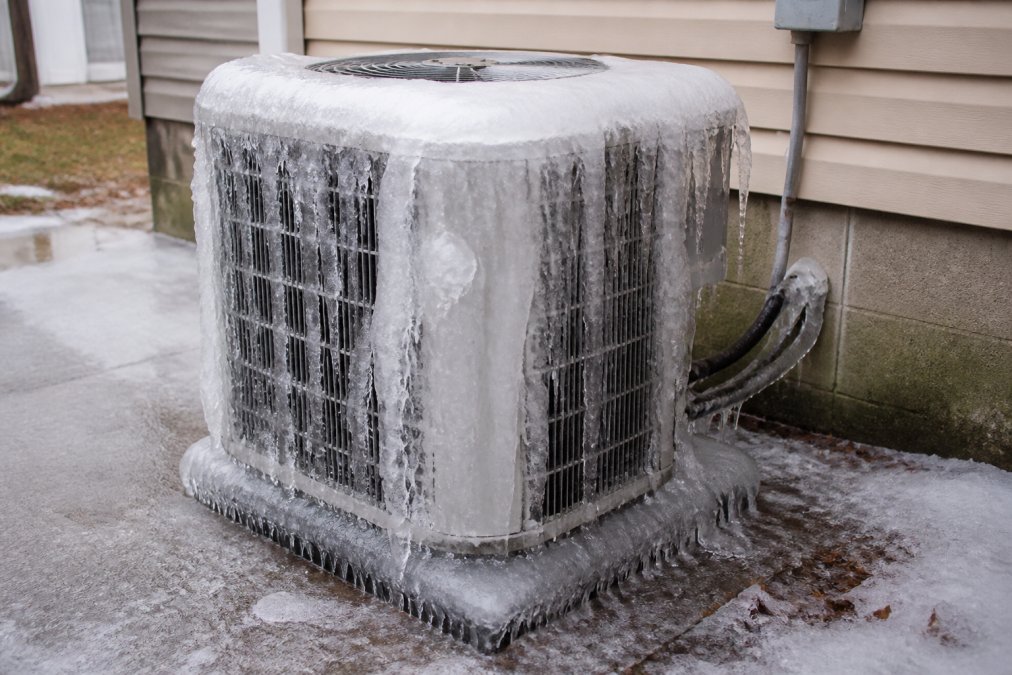
When your air conditioning system stops blowing cold air or makes unusual sounds, a frozen evaporator coil might be the culprit. An ac unit freezes when ice accumulates on the coils inside your system, blocking airflow and reducing cooling capacity. Most freezing problems result from simple, fixable issues, not refrigerant or compressor failure requiring full system replacement.
This guide covers the core reasons your AC system freezes, how to safely thaw it, and when you need professional help.
Common Causes of Frozen AC Coils
Frozen coils result from one fundamental problem: the evaporator coil temperature drops below the dew point of the surrounding air, causing moisture to freeze on the coil surface.
Airflow restriction is the leading cause. When air doesn't move freely across the evaporator coil, the refrigerant becomes too cold and any moisture on the coil surface freezes solid, creating a vicious cycle where ice buildup blocks more air, making the coil even colder.
A dirty air filter is the most common culprit. As dust and debris accumulate, the filter chokes off the air supply. A moderately dirty filter can reduce airflow enough to cause freezing within days.
Blocked return air vents have the same effect. If furniture, curtains, or closed doors block return air pathways, your system can't pull enough air across the evaporator coil.
Low refrigerant also causes freezing, though less commonly. When refrigerant charge is low, the pressure inside the system drops, lowering the boiling point and making the evaporator coil colder than it should be. A refrigerant leak is the only reason refrigerant runs low.
Blower motor or fan speed issues can reduce airflow through the coil. A failing blower motor spins slower than normal, restricting airflow and allowing the coil to freeze.
How Airflow Restriction Leads to Ice Buildup
The evaporator coil absorbs heat from indoor air. When air moves freely across the coil, heat transfer is efficient and the coil stays at the right temperature. When airflow is restricted, less warm air reaches the coil. The refrigerant still cools the coil, but insufficient warm air balances that cooling. The coil temperature drops below freezing, and any moisture condenses and freezes on the coil surface. As ice accumulates, it becomes an additional barrier to airflow, creating a feedback loop that compounds the problem. Within 24 to 48 hours, a thin layer of ice can become thick enough to completely block airflow and shut down your system.
Signs Your AC Unit Is Freezing Up
Recognizing early warning signs lets you intervene before the system shuts down completely.
Visual and Performance Warning Signs
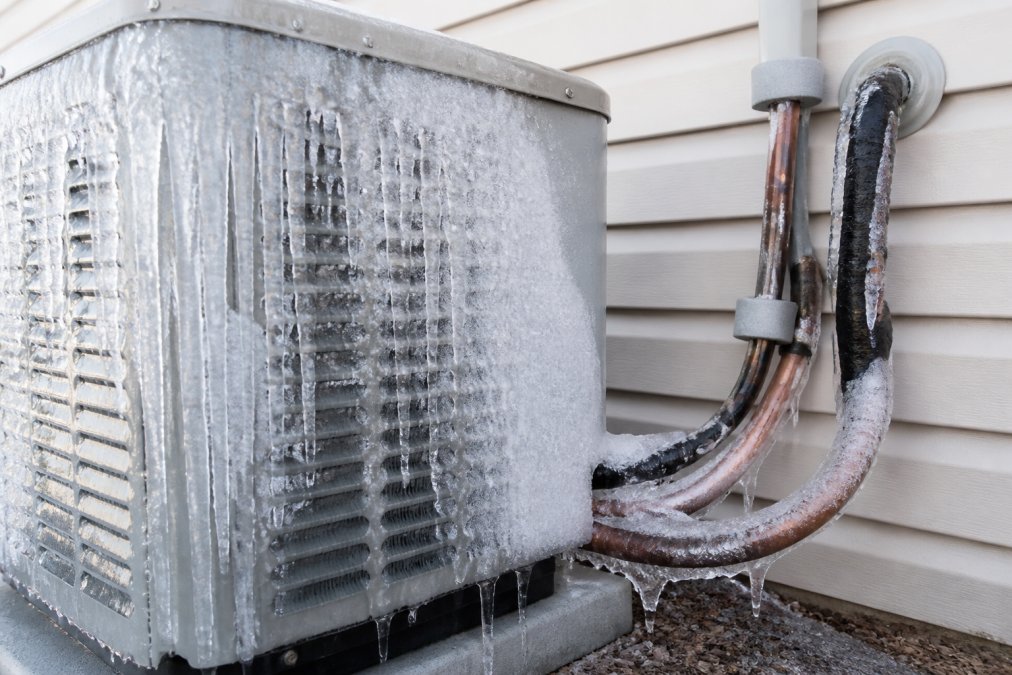
The most visible sign is ice on the outdoor condenser unit or suction line. If you see frost or ice coating the copper refrigerant lines or outdoor coil, your system is freezing.
Reduced cooling performance is often the first thing homeowners notice. The AC runs, but it's not cooling effectively. Rooms stay warm, or temperature drops more slowly than normal.
Weak or no airflow from vents indicates serious blockage. If you feel little to no air movement at supply vents, ice has likely accumulated significantly.
Hissing or bubbling sounds from the indoor air handler can signal a refrigerant issue.
Water pooling around the indoor air handler happens when ice melts faster than the condensate drain can handle it.
The system cycling on and off frequently indicates the system is trying to protect itself from freezing.
Signs of Low Refrigerant in AC Systems
Low refrigerant doesn't always cause visible freezing, but it's a common underlying cause. A refrigerant leak is the only way your system loses refrigerant. Watch for hissing or bubbling from the air handler, frost or ice on the suction line, warm air blowing from vents despite cool settings, higher than normal electric bills, or visible oil stains around copper line connections. If you suspect low refrigerant, don't try to refill it yourself, refrigerant handling requires EPA certification and proper equipment.
How to Thaw a Frozen AC Unit Safely
If your AC unit is frozen, stop the damage and safely return the system to operation. Running the system while frozen can damage the compressor, a repair that costs significantly more than addressing the original problem.
Step-by-Step Defrosting Process
Step 1: Turn off the AC immediately. Switch your thermostat to "off" or set it to heat mode. Running the system while frozen can force ice-cold refrigerant into the compressor, causing catastrophic damage.
Step 2: Turn on the blower fan only. Set your thermostat to "fan only" mode. This runs the blower without engaging the cooling cycle, allowing warm indoor air to circulate across the frozen coil and begin melting the ice. Leave the fan running for 2 to 4 hours (the EPA).
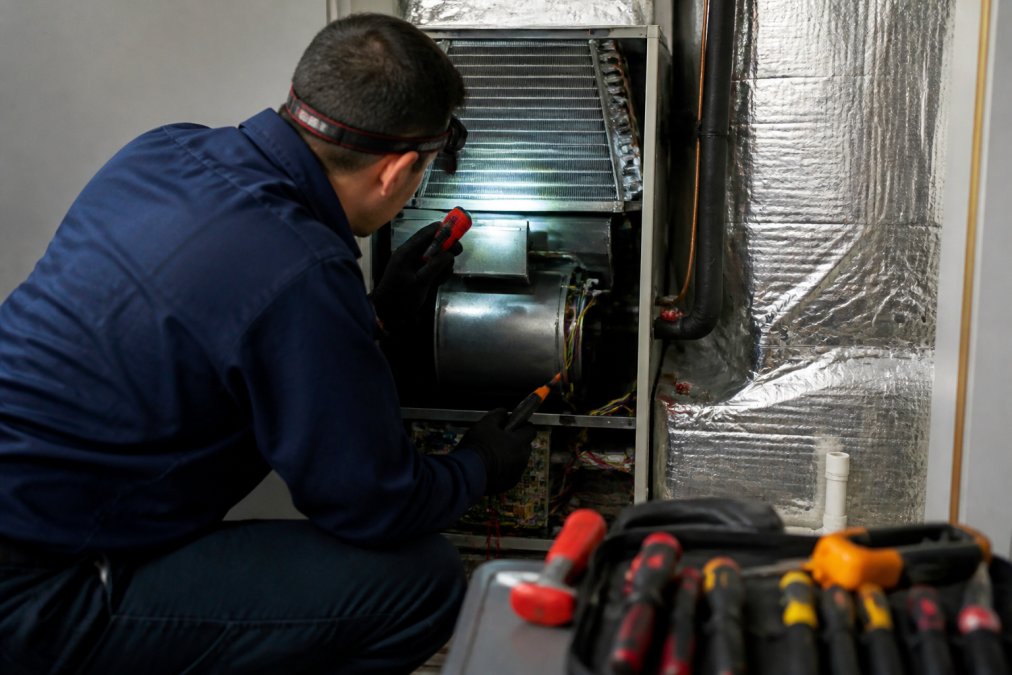
Step 3: Check the air filter. While the system is in fan-only mode, locate your furnace or air handler and check the air filter. If it's visibly clogged, replace it immediately.
Step 4: Clear return air vents. Walk through your home and ensure all return air vents are unobstructed. Move furniture, curtains, or closed doors that might be blocking airflow.
Step 5: Allow 4 to 8 hours of thawing. Do not try to speed this up by pouring warm water on the coil or using heat guns. Rapid temperature changes can damage coil fins.
Step 6: Monitor the condensate drain. As ice melts, water drains through the condensate line. Check that water is flowing freely from the drain line (usually a small PVC pipe outside your home).
Step 7: Restart the system cautiously. After 4 to 8 hours of thawing, set the thermostat back to cool mode and monitor the system for the first 15 to 20 minutes. Listen for unusual sounds and verify that cold air is flowing from vents.
Safety Precautions During Defrost Mode
Never attempt to manually remove ice, as scraping can damage delicate aluminum fins and create leaks. Don't pour water on the system, rapid temperature changes can cause warping or cracking. Stay clear of the outdoor unit while it's running, never bypass safety switches, and don't keep trying to restart if the system won't restart after thawing. Multiple restart attempts can damage the compressor. Call a professional instead.
AC Air Filter Replacement Frequency and Prevention
The air filter is your system's first line of defense against freezing. A clean filter maintains the airflow that keeps your evaporator coil at the right temperature.
How Dirty Air Filters Cause Freezing
A dirty air filter restricts airflow by physically blocking air and increasing pressure drop across the filter. When airflow drops below a certain threshold, the evaporator coil can't absorb enough heat from indoor air. The refrigerant becomes too cold, the coil surface freezes, and ice accumulates. This often happens gradually over a week or two before the system completely freezes.
Recommended Filter Replacement Schedule
Check your filter monthly. Hold it up to a light source. If you can barely see light through it, it's time for a replacement.
Replace filters every 30 to 60 days in homes with average dust levels. If you have pets or live in a dusty area, replace every 30 days. If your home is very clean, every 60 to 90 days may be sufficient.
Tap to easily schedule service today! →
Use the correct filter size and MERV rating. Your furnace or air handler has a filter slot with specific dimensions. For most residential systems, MERV 8 to MERV 11 is ideal, it catches dust and allergens without choking airflow (ashrae.org).
Don't skip filter changes to save money. A $20 filter now prevents a $500+ emergency repair later.
When to Call a Professional vs. DIY Fixes
Knowing which problems you can solve yourself and which require a licensed technician saves time and prevents costly mistakes.
DIY Troubleshooting You Can Handle
Replacing the air filter is safe and straightforward. Turn off the system, locate the filter slot, slide out the old filter, and insert the new one with the airflow arrow pointing toward the furnace.
Clearing return air vents is equally simple. Walk your home, identify return vents, and remove any obstructions.
Checking the outdoor unit for debris is a good preventative step. If leaves, grass clippings, or dirt have accumulated around the outdoor condenser, turn off the system and gently clear the area using a soft brush or cloth.
Verifying the condensate drain is flowing is a simple visual check. Look for the small PVC drain line outside your home and pour a cup of water down the indoor drain opening to check that water flows from the outdoor end.
Inspecting the thermostat settings can reveal simple issues. Make sure the thermostat is set to cool mode and the temperature setting is lower than the current indoor temperature.
Professional Repair Situations
Refrigerant leaks require a licensed technician with EPA certification and specialized equipment.
Blower motor failure needs professional diagnosis and replacement. A failing motor may sound like a grinding noise or fail to spin at all.
Compressor issues are always professional work. If the compressor won't start, makes unusual noises, or trips a breaker repeatedly, the system needs expert evaluation.
Evaporator coil damage or contamination requires professional service. If the coil has developed leaks from ice damage or is contaminated with mold or algae, it needs cleaning or replacement.
Thermostat malfunction may require professional recalibration or replacement.
System won't restart after thawing signals a problem beyond simple ice accumulation. Common causes include a tripped safety switch, a failed capacitor, or refrigerant pressure issues.
When in doubt, call a professional. Rich's Plumbing Heating & Air Conditioning offers a 60-minute response time for emergency repairs, and our licensed technicians can diagnose the problem quickly and recommend the most cost-effective solution.
Preventative Maintenance to Stop Freezing
The best approach to frozen AC units is preventing them in the first place. A consistent maintenance routine catches problems early and keeps your system running efficiently.
Evaporator Coil Maintenance and Cleaning
The evaporator coil is where your system absorbs heat from indoor air. Over time, dust, pollen, and mold can accumulate on the coil surface, reducing its ability to transfer heat and contributing to freezing.
Annual professional coil cleaning is the gold standard. A technician uses specialized equipment to safely clean the coil without damaging the delicate fins. This is typically done during a spring maintenance visit before cooling season.
Keep the area around your indoor air handler clean. Dust and debris near the air handler can be drawn into the system. Vacuum the area regularly and ensure nothing is blocking the intake or return vents.
Monitor humidity levels. High indoor humidity can increase moisture on the coil, promoting both freezing and mold growth. Use a dehumidifier if your home's humidity exceeds 50%.
System Check and Thermostat Calibration
Schedule annual maintenance before cooling season starts. A technician will inspect the entire system, check refrigerant pressure, test airflow, clean or replace filters, and verify that all safety switches are functioning.
Verify thermostat accuracy. Hold an accurate thermometer next to your thermostat for 5 minutes and compare readings. If they differ by more than 2 degrees, the thermostat needs recalibration or replacement (nist.gov).
Check blower motor operation. The blower should start smoothly and run quietly. If you hear grinding, squealing, or hesitation when the system starts, the motor may be failing.
Inspect ductwork for leaks. Leaking ducts reduce the amount of conditioned air reaching your living spaces and can cause pressure imbalances that contribute to freezing.
A frozen AC unit doesn't have to derail your comfort or drain your wallet. Most freezing problems stem from simple issues like dirty filters or blocked vents that you can address immediately. When the problem is more complex, a refrigerant leak, motor failure, or compressor issue, professional diagnosis prevents further damage and ensures the repair is done correctly.
Rich's Plumbing Heating & Air Conditioning has been serving New Jersey homeowners for over 30 years with expert HVAC repair and maintenance. Our licensed, bonded, and insured technicians arrive within 60 minutes for emergency calls and provide honest assessments with free estimates. Whether you need emergency defrosting, annual maintenance to prevent freezing, or a full system inspection, we're committed to restoring your comfort with a 100% satisfaction guarantee. Tap to easily schedule service today!
Frequently Asked Questions
How do I get my AC unit to stop freezing?
First, turn off your AC immediately to prevent compressor damage. Check your air filter and replace it if it's dirty, a clogged filter is the most common cause. Ensure return air vents aren't blocked by furniture or debris. If these steps don't help, you likely have a refrigerant leak or thermostat calibration issue that requires professional diagnosis. A licensed HVAC technician can identify the root cause and restore proper cooling cycle operation.
Can a dirty air filter cause an AC unit to freeze?
Yes. A dirty air filter severely restricts airflow across the evaporator coil. When airflow is blocked, the coil temperature drops below the dew point, and condensate freezes on the coil surface. This ice buildup reduces efficiency and can eventually shut down your system. Replace your filter every 1-3 months during cooling season, or more often if you have pets or live in a dusty environment. Regular filter changes are one of the easiest ways to prevent freezing.
What does it mean when the copper line on my AC is frozen?
Frost or ice on the copper suction line (the larger of the two lines running from your outdoor unit) signals low refrigerant charge or restricted airflow. A refrigerant leak causes the remaining refrigerant to expand too much, cooling the line below freezing. Airflow blockage has the same effect. Either way, this is a sign your system needs professional attention. Do not attempt to add refrigerant yourself, EPA regulations require a licensed technician to handle refrigerant.
How long should I leave my AC off if it froze up?
Leave your system off for at least 2-4 hours to allow the ice to melt completely. Never force the thaw with heat or try to manually remove ice, you risk damaging the coil. After it thaws, run your system in fan-only mode for 15-20 minutes to clear the condensate drain before switching back to cooling. If your AC freezes again shortly after, the underlying cause (dirty filter, refrigerant leak, or thermostat issue) hasn't been fixed and needs professional repair.