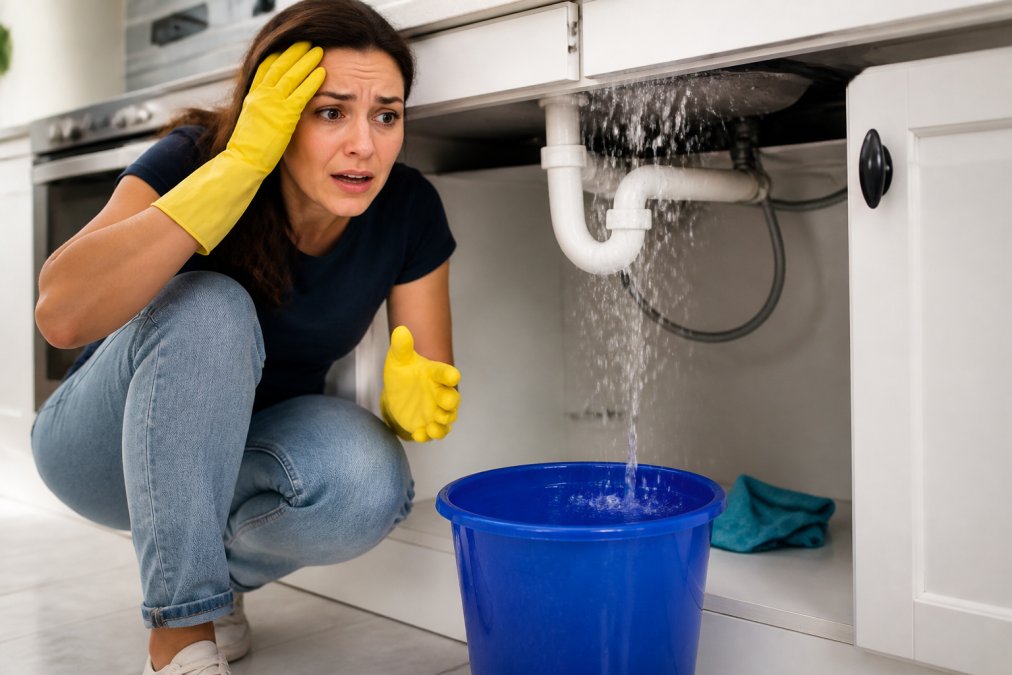
 listicle
8 Signs You Need Emergency Plumbing
Table of Contents
- What Counts as a Plumbing Emergency?
- 1. Water Leaks and Unexplained Wet Spots
- 2. Slow or Recurring Clogged Drains
- 3. Sewage Backups and Foul Odors
- 4. Loss of Hot Water or Low Water Pressure
- 5. Gurgling Noises and Overflowing Toilets
- How to Shut Off Main Water Valve in an Emergency
- What Does Emergency Plumbing Repair Cost?
- Frequently Asked Questions
Last Updated: September 9, 2026
A plumbing emergency rarely announces itself politely. It usually starts as a damp spot on the ceiling or a drain that keeps backing up, then escalates into flooding or a sewer backup. Knowing the signs you need emergency plumbing before disaster strikes can mean the difference between a quick repair and thousands of dollars in water damage mitigation.
This guide breaks down the warning signs that warrant immediate professional attention, plus a step-by-step shut-off guide and what to expect from emergency plumbing repair cost.
What Counts as a Plumbing Emergency?
A plumbing emergency is any issue that poses an immediate threat to your home's structure, your health, or your water supply. Burst pipes, sewage backups, and uncontrolled flooding all qualify because they cause progressive damage the longer they go unaddressed.
Not every problem needs a midnight call. A dripping faucet or a toilet that runs intermittently can wait for regular business hours. The distinction comes down to risk: will this issue cause property damage, create a health hazard, or leave you without essential water service within the next few hours?
The Environmental Protection Agency's guidance on home water conservation and leak prevention notes that household leaks alone can waste thousands of gallons of water annually, making early detection a financial priority, not just a maintenance one.
1. Water Leaks and Unexplained Wet Spots
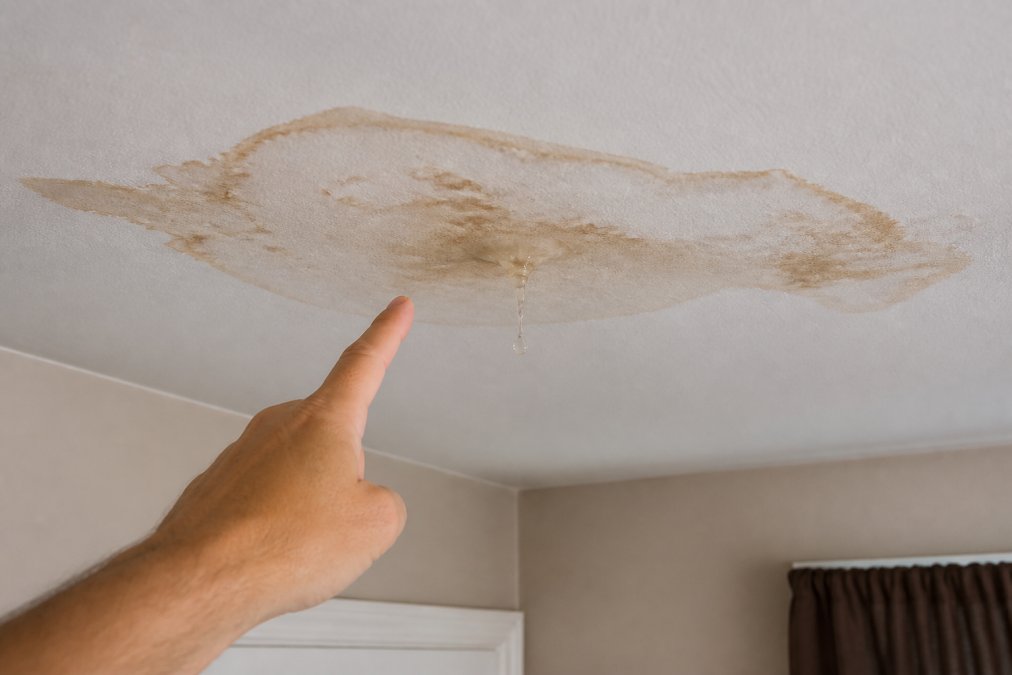
Water stains on ceilings or walls, damp carpet edges, or a sudden spike in your water bill often signal a hidden pipe leak. These are among the most common signs you need emergency plumbing because the source is frequently concealed behind drywall or under flooring.
When you notice a wet spot, check whether it's actively growing. If it's saturated and spreading, water is actively flowing behind the surface, indicating a pipe burst or failed supply line. Left unchecked, the moisture will compromise drywall, warp wood framing, and create ideal conditions for mold growth within 24 to 48 hours.
Turn off your main water shut-off valve immediately if the spot is growing, then call for professional leak detection. Plumbers use specialized equipment to locate the source without tearing open your walls unnecessarily.
2. Slow or Recurring Clogged Drains
A single slow drain is often a local blockage you can resolve yourself. Multiple slow drains throughout the house, or a drain that clears temporarily then clogs again within days, points to a deeper problem in your main sewer line.
Recurring clogs suggest pipe corrosion, a collapsed section of pipe, or tree root intrusion. These issues won't resolve with repeated drain cleaning. Each backup adds hydrostatic pressure, increasing the risk of a full blockage that sends wastewater back into your home.
How to Clear a Slow Drain Before It Becomes an Emergency
Start with the simplest method: remove the drain cover and clear out hair and debris manually. Then try hot water and baking soda followed by vinegar, letting it sit for 15 minutes before flushing with more hot water.
Avoid chemical drain cleaners for recurring clogs; they can damage older pipes and create hazardous fumes. If a drain remains slow after two or three clearing attempts, or if multiple fixtures are affected, stop experimenting and call a professional.
3. Sewage Backups and Foul Odors
Sewage odors inside your home, gurgling sounds from floor drains, or wastewater backing up into bathtubs and sinks constitute a genuine health emergency. Raw sewage contains bacteria and pathogens that pose serious risks to your family.
A sewer backup typically stems from a blockage in the main line connecting your home to the municipal system or septic system. When that line fails, wastewater has nowhere to go except back through your lowest fixtures. Standing water contaminated with sewage requires immediate professional intervention and careful cleanup.
Foul odors alone, without visible backup, can indicate a dried-out P-trap or a crack in your vent stack. If the smell persists after running water through all fixtures, treat it seriously.
4. Loss of Hot Water or Low Water Pressure
When your water heater stops producing hot water, or your fixtures suddenly deliver weak flow, you're looking at a system failure that affects daily living. Water heater failure often results from sediment buildup, a failed heating element, or a cracked tank.
A leaking water heater tank requires immediate attention. The tank holds 40 to 60 gallons of water under pressure, and a rupture can release all of it into your basement or utility room within minutes. Check the area around your water heater for standing water or rust-colored streaks on the tank exterior.
Low water pressure across all fixtures, meanwhile, may indicate a problem with your main water supply line or a failing water pressure regulator. If the pressure drop happened suddenly, a pipe may have burst somewhere between your water meter and your home.
5. Gurgling Noises and Overflowing Toilets
Your plumbing system should operate quietly. Gurgling sounds from drains or toilets indicate air trapped in the pipes, usually a sign that a blockage is forming and venting is compromised.
Tap to easily schedule service today! →
An overflowing toilet is the most visible and urgent of these signs. When a toilet overflows despite plunging, the blockage likely sits beyond the toilet trap, deeper in your drain line. Repeated plunging can force water past wax seals and into your floor, causing hidden structural damage.
Backflow prevention is critical here. When your drain line pressurizes due to a blockage, wastewater can force its way back through other fixtures, contaminating your clean water supply. This is why multiple simultaneous plumbing issues always warrant immediate professional assessment.
How to Shut Off Main Water Valve in an Emergency
Knowing how to shut off main water valve quickly is the single most valuable skill for any homeowner. This one action stops the flow of water into your home and limits damage while you wait for help.
Step 1: Locate Your Valve Before You Need It
The worst time to search for your main shut-off valve is when water is pouring into your home. Take five minutes right now to find it. It is typically located where the main water supply line enters your home: near the front foundation wall in a basement, under the house near the exterior wall in a crawlspace, or in a utility closet, garage, or near the water heater in a slab foundation.
Step 2: Identify the Valve Type
Once you find the valve, identify its type. This determines how you turn it off.
- Ball Valve: This is the most common type in modern homes. It has a lever handle. To shut it off, turn the lever a quarter-turn (90 degrees) so it is perpendicular to the pipe. When the handle is parallel to the pipe, it is open. When it is perpendicular, it is closed.
- Gate Valve: This is an older style with a round, wheel-shaped handle. To shut it off, turn the handle clockwise (to the right) multiple full rotations until it stops. Do not force it; turn it firmly until it is snug.
Step 3: Execute the Shut-Off
- Clear the area: Move any boxes, tools, or clutter away from the valve so you have unobstructed access.
- Turn the valve: For a ball valve, move the lever to the perpendicular position. For a gate valve, turn the wheel clockwise until it stops.
- Test the flow: Go to the nearest sink or bathtub and turn on the cold water. If only a trickle comes out and then stops, you have successfully shut off the main supply.
Step 4: Drain the System and Reduce Pressure
With the main valve closed, there is still water sitting in your pipes. This water needs to be drained to relieve pressure and prevent further leaking.
- Open the lowest faucet: Find the lowest faucet in your home, often an outdoor spigot, a basement utility sink, or a first-floor bathtub. Turn it on to let the remaining water drain out.
- Flush the toilets: Flush every toilet in the house once. This empties the tank and the bowl, removing a significant amount of standing water and reducing the risk of overflow.
- Leave the faucet open: Keep the lowest faucet open until the plumber arrives. This signals that the system is depressurized and prevents any accidental pressure buildup.
Step 5: Document the Scene for Insurance
Before you call the plumber, and after you have shut off the water, take a moment to document the damage. This is a step most homeowners miss, and it can save you thousands of dollars on your insurance claim.
- Take photos and video: Capture wide shots of the affected room and close-ups of the water source, the damage, and any belongings that were wet.
- Record the timeline: Note the time you discovered the leak and the time you shut off the water. This documentation is crucial for your insurance adjuster.
- Do not throw anything away: Keep any damaged rugs, drywall, or personal items in a pile. Your adjuster will want to see them.
Step 6: Call a Professional
Once the water is off and the scene is documented, call a licensed plumber. Do not attempt to turn the main valve back on until a professional has assessed the situation. If the valve is closed and the leak was in a supply line, turning the water back on could cause the same problem to recur, or worse, cause a new failure at another weak point in the system.
Knowing how to shut off main water valve quickly is the single most valuable skill for any homeowner. This one action stops the flow of water into your home and limits damage while you wait for help.
What Does Emergency Plumbing Repair Cost?
Understanding the cost of an emergency call is about knowing what drives the price. While every job is unique, the final bill is built from three main components: the service call, the labor rate, and the parts or materials.
The Service Call and Time-of-Day Premiums
The service call fee covers the plumber's travel time and initial diagnosis. Most companies charge a standard rate during regular business hours (typically 7 a.m. to 5 p.m.). Calls placed outside those hours, evenings, weekends, and holidays, will incur a premium. This premium reflects the cost of keeping a technician on standby for urgent situations.
Labor: The Complexity of the Fix
Labor is the largest variable. A simple, accessible leak at a visible pipe joint might take under an hour. A hidden leak behind a finished basement wall or under a concrete slab requires diagnostic time, additional labor to access the pipe, and more time to repair and restore the area. The more complex the diagnosis and invasive the access, the higher the labor cost.
Parts and Materials: The Real Cost Drivers
The parts themselves range from inexpensive to significant. Replacing a worn-out wax ring on a toilet is a low-cost fix. Replacing a failed pressure regulator or a section of corroded copper pipe involves more expensive materials. The most substantial cost driver is a main sewer line repair or replacement, which can involve trenching, heavy equipment, and extensive restoration.
The Hidden Cost of Waiting
Here is the most critical financial point: the cost of the repair itself is often the smallest part of the total financial impact. The real expense is the secondary damage. A small, steady leak behind a wall that goes unaddressed for a week can cause wood rot, mold growth, and damage to insulation and drywall. The FEMA guidance on water damage and mold prevention stresses that mold can begin to grow within 24 to 48 hours of water exposure. The cost to remediate mold and repair structural damage is almost always an order of magnitude higher than the cost of the original pipe repair.
Getting a Clear Estimate
Before any work begins, a reputable company will provide a clear, written estimate. When you call, ask these specific questions:
- What is the service call fee, and is it waived if we proceed with the repair?
- What is the hourly labor rate, and are there different rates for after-hours or holiday calls?
- Will the estimate include all necessary parts, materials, and cleanup?
- Are there any additional fees for diagnostic equipment, like camera inspections?
A licensed, insured professional protects you twice: they limit damage through rapid intervention, and their insurance covers any issues that arise during the repair. When water is actively threatening your home, every minute counts. Rich’s Plumbing Heating & Air Conditioning offers a 60-minute response time for urgent needs, backed by a 100% satisfaction guarantee.
Frequently Asked Questions
What qualifies as a plumbing emergency?
A plumbing emergency is any issue that threatens your property or health if left untreated. This includes burst pipes, sewage backups, flooding, and gas leaks. A dripping faucet or a minor toilet leak you can contain usually is not an emergency. If you have to shut off your main water valve to stop flooding, that is a clear sign you need emergency plumbing services immediately.
How long can a water leak go unnoticed?
A small leak behind a wall or under a slab can go unnoticed for weeks or even months. However, the damage compounds quickly. Within 24 hours, water can soak into drywall and wood, creating conditions for mold growth. A sudden spike in your water bill is often the first clue. If you suspect a hidden leak, schedule a plumbing inspection before it becomes a larger emergency.
What should I do while waiting for an emergency plumber?
First, shut off your main water valve to stop the flow of water. Next, turn off your water heater to prevent damage. Then, document the damage with photos and video for your insurance claim. Move valuable items away from the affected area and contain the water with buckets or towels. Finally, keep the area clear so the plumber has immediate access to the problem.