 ultimate-guide
Signs of Burst Pipe Emergency: What to Do Now
Table of Contents
- Signs of Burst Pipe Emergency You Cannot Ignore
- How to Shut Off Main Water Valve Immediately
- Signs of Hidden Water Leaks Behind Walls
- Plumbing Emergency Checklist for Burst Pipes
- Pinhole Leak vs. Major Burst: Know the Difference
- Temporary DIY Repair Techniques While You Wait
- Frequently Asked Questions
Last Updated: August 17, 2026
Signs of Burst Pipe Emergency You Cannot Ignore
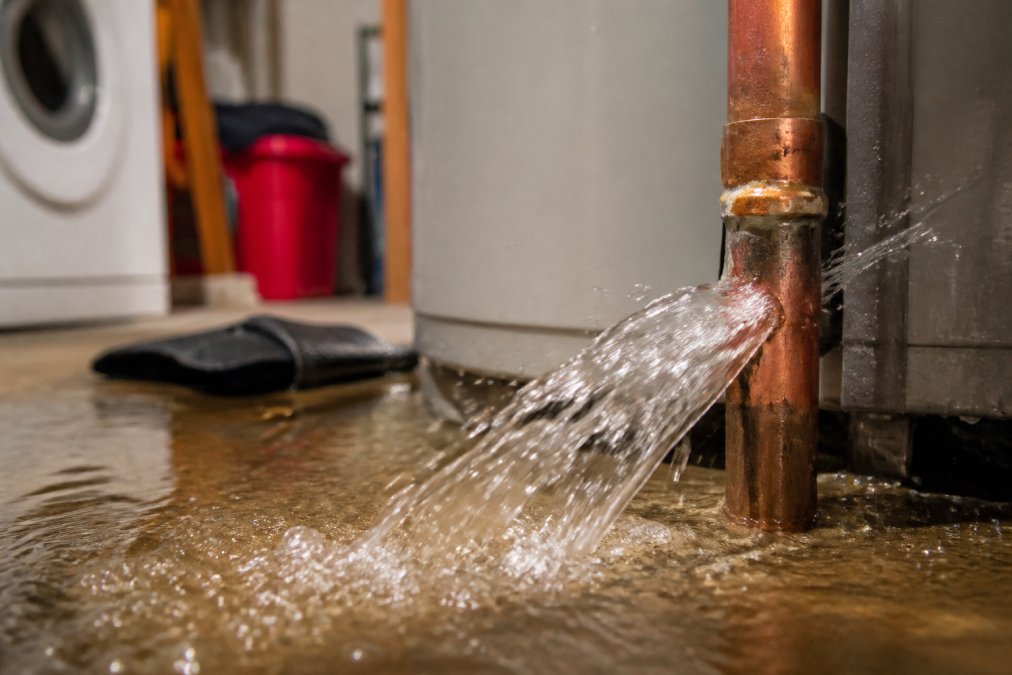
A burst pipe emergency demands immediate attention. Water damage spreads fast, and the longer you wait, the more structural damage accumulates. Recognizing the warning signs early can save thousands in repair costs and prevent mold growth that threatens your family's health. Many burst pipe emergencies develop slowly behind walls and under floors, so understanding these signs is critical for any homeowner.
Sudden Drop in Water Pressure
A sudden drop in water pressure throughout your home is one of the earliest signs of a burst pipe emergency. When a pipe ruptures, water escapes through the crack rather than flowing to your fixtures. You'll notice weak flow from multiple faucets simultaneously, shower, bathroom sinks, and outdoor hose all losing pressure at the same time indicates a burst in your main water supply line.
Test this by turning on multiple faucets in different rooms. If pressure drops across the board, call a professional immediately. A burst pipe emergency in your main supply line can waste thousands of gallons daily.
Water Stains and Dampness on Walls and Ceilings
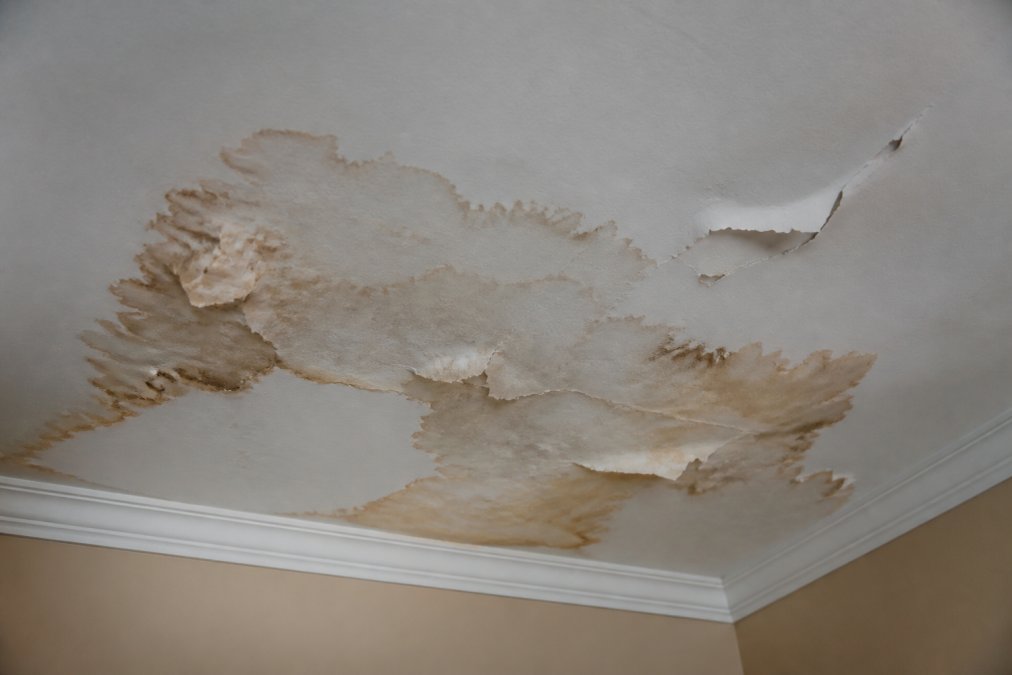
Water stains appearing on ceilings or interior walls signal active water leaking where it shouldn't be. These stains often appear as yellowish or brownish discoloration, sometimes with visible moisture or soft drywall. Fresh stains, wet to the touch, mean active leaking. Older stains that are dry suggest the burst has stopped but damage already occurred.
Don't ignore small stains. They expand rapidly as water continues seeping through walls. A pinhole leak today becomes a major burst tomorrow, creating conditions for mold growth that spreads throughout your home's structure.
Unusual Sounds from Your Plumbing System
Listen to your plumbing system. Hissing sounds indicate water spraying from a pressurized line. Rushing or roaring sounds suggest water flowing rapidly where it shouldn't, often behind walls where a burst is actively leaking. Banging or water hammer sounds (loud clanking when you turn off a faucet) can indicate pressure changes caused by a burst.
Pay attention to sounds that appear suddenly and persist. These often precede visible water damage by hours or days, giving you a critical window to act.
Discolored or Rusty Water
Water that comes out brown, red, or cloudy indicates corrosion inside your pipes and warns that a burst may be imminent. If multiple fixtures show discoloration, corrosion is advancing through your main water supply line. This water is unsafe to drink or use for cooking. A corroded pipe is more likely to develop a pinhole leak that becomes a full burst. If you notice persistent discoloration, have your plumbing system inspected before a burst pipe emergency occurs.
Foul Odors and Musty Smells
A musty, sewer-like smell coming from walls, crawl spaces, or basements often indicates water damage from a burst pipe. As water sits in wall cavities, mold and mildew develop rapidly. The smell intensifies in humid conditions and after rain. Don't confuse this with normal plumbing odors, persistent musty odors throughout rooms indicate hidden water damage requiring immediate attention.
Spike in Your Water Utility Bill
A sudden, unexplained increase in water usage indicates a leak somewhere in your plumbing system. A burst pipe emergency wastes water continuously. Even a small rupture can leak hundreds of gallons daily. If your bill doubles or triples without a corresponding increase in usage, a burst is likely. A 20% or greater increase warrants investigation. Contact a licensed plumber immediately to locate and repair the burst.
How to Shut Off Main Water Valve Immediately
When you suspect a burst pipe emergency, your first action is stopping water flow. Shutting off your main water supply prevents additional damage while you arrange repairs.
Locating Your Main Water Shut-Off Valve
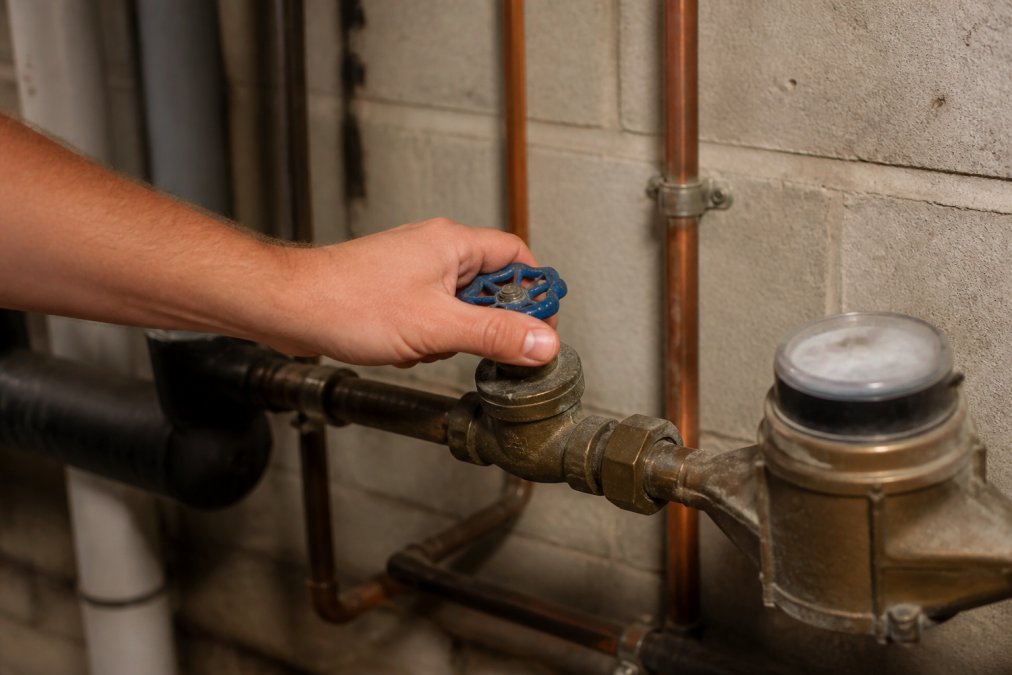
Your main water shut-off valve controls water flow into your entire home. Most homes have the valve in one of these locations: near the water meter in the basement, in a utility room, under the kitchen sink, or in a crawl space. Check your basement first, looking along the wall where the main water line enters from outside. If you can't locate it, check your home's plumbing diagram or contact your water company. Mark the location clearly so you can find it quickly during an emergency.
Steps to Turn Off Water Supply
The valve handle is either a lever or a round knob. Lever handles turn left (counterclockwise) to close. Round knobs turn clockwise until they stop. Turn slowly and steadily, don't force it, as excessive force can break the valve. After turning the valve, test your faucets. Water should stop flowing within seconds. If water continues, try turning it further. If water still flows, the valve is faulty and you need emergency plumbing service immediately.
Keep the valve accessible. Don't store items in front of it. Some homeowners paint the valve bright red or install a sign above it for visibility.
Signs of Hidden Water Leaks Behind Walls
The most dangerous burst pipes are those you can't see. Water leaking behind walls causes structural damage for weeks before visible signs appear.
Detecting Leaks Before Major Damage Occurs
Hidden leaks reveal themselves through subtle signs. Soft or spongy drywall indicates moisture saturation. Press your fingers against walls, they should feel firm. Soft spots mean water has been seeping through. Listen for dripping sounds inside walls, especially in quiet moments. Check for slight bulging or blistering in paint or wallpaper. Temperature changes are another indicator, areas with hidden leaks often feel cooler than surrounding wall space because water evaporation reduces surface temperature.
If you notice any of these signs, don't wait. A small hidden leak becomes a catastrophic burst pipe emergency within days. Call a professional to inspect using moisture detection equipment.
Smart Home Leak Detection Technology
Smart water leak sensors monitor areas prone to bursts, under sinks, near water heaters, in basements, and crawl spaces, and alert you immediately when moisture is detected. Some systems monitor water flow patterns through your main line and trigger alerts for unusual flow. Smart water shut-off valves can automatically close your main water supply when a burst is detected, preventing water damage from spreading while you're away or asleep. For homeowners concerned about burst pipes, the investment pays for itself through early detection.
Tap to easily schedule service today! →
Plumbing Emergency Checklist for Burst Pipes
When you discover a burst pipe emergency, follow these steps in order. A systematic approach minimizes damage.
Immediate Actions to Take
Step 1: Shut Off Main Water Supply (Time: 2-3 minutes) This is your first priority. Every second water flows through a burst causes more damage.
Step 2: Turn On All Faucets (Time: 1-2 minutes) This drains remaining water in the pipes and relieves pressure. Open faucets throughout your home, including outdoor hose bibs.
Step 3: Identify the Burst Location (Time: 5-10 minutes) Look for visible water, stains, or dampness. Check under sinks, in basements, crawl spaces, and around water heaters.
Step 4: Contain Water Damage (Time: 10-15 minutes) Place buckets under active leaks. Move furniture and valuables away from wet areas. Open windows to increase air circulation. Don't use electricity near standing water.
Step 5: Call a Licensed Plumber (Time: Immediate) This is not a DIY repair. A burst pipe emergency requires professional diagnosis and repair.
Step 6: Document Damage (Time: 10-20 minutes) Take photos and videos of all water damage for insurance purposes. Photograph stains, wet materials, and affected areas from multiple angles.
Insurance Claim Documentation
Burst pipes are usually covered by homeowners insurance, but only if you document properly. Create a detailed written record: date you discovered the burst, time you shut off water, photos of damage, and names of any professionals you contacted. Contact your insurance company within 24 hours of discovering the burst. Keep receipts for any emergency repairs or water extraction services. Understand your coverage limits and deductibles before an emergency occurs.
Pinhole Leak vs. Major Burst: Know the Difference
A pinhole leak is a tiny opening in the pipe, usually caused by corrosion. Water seeps slowly through the opening, often for weeks before you notice. A major burst is a crack or rupture that opens the pipe significantly, with water spraying or flowing rapidly. You notice it immediately through sudden pressure loss, visible water, or flooding.
Pinhole leaks are deceptive. The small opening seems insignificant, but water seeping behind walls creates mold and structural damage. Many homeowners ignore pinhole leaks until walls begin collapsing. If you find a pinhole leak, don't delay repairs. It will become a major burst pipe emergency within months as corrosion expands the opening.
Temporary DIY Repair Techniques While You Wait
If you're waiting for a professional plumber to arrive, temporary repairs can minimize water damage. These are not permanent solutions, they're emergency measures to buy time.
For small leaks, pipe repair tape (also called plumber's tape or self-fusing silicone tape) can slow water flow. Dry the area completely, then wrap the tape tightly around the pipe, overlapping each layer by 50%. Epoxy putty works similarly, knead it until uniform in color, then press it firmly into the leak.
For larger bursts, a pipe clamp or repair coupling can temporarily stop active leaking. Wrap the burst area with waterproof tape or cloth to direct water into buckets. These temporary measures work for a few hours to a day. Use this time to arrange professional repairs, not to delay calling a plumber.
A burst pipe emergency demands fast action. Water damage accelerates exponentially, what looks like a minor leak today becomes catastrophic structural damage within days. When you suspect a burst pipe emergency, shut off your main water supply immediately and contact a licensed plumber. Our professionals can locate the burst, assess damage, and begin repairs the same day. We handle everything from emergency shut-off assistance to full pipe replacement and water damage mitigation. Call today to schedule emergency service and protect your home from water damage.
| Warning Sign | Urgency | Action |
|---|---|---|
| Sudden pressure drop | Immediate | Shut off water, call plumber |
| Water stains on ceilings | High | Inspect within hours, call plumber |
| Hissing or rushing sounds | High | Locate source, shut off water |
| Discolored water | Medium | Have system inspected within 24 hours |
| Musty odors | High | Inspect for mold, call professional |
| Spike in water bill | Medium | Check for leaks, call if confirmed |
Frequently Asked Questions
What are the first signs of a burst pipe behind a wall?
The earliest indicators include sudden drops in water pressure, visible water stains or dampness on walls and ceilings, and a musty odor developing in that area. You may also notice soft spots in drywall or hear rushing water sounds inside the walls. If you suspect a burst pipe emergency, locate your main water shut-off valve and turn it off immediately to prevent structural damage and mold growth.
How do I know if a pipe is leaking or burst?
A slow leak typically produces minor dampness and a gradual increase in your water utility bill. A burst pipe causes sudden water pooling, rapid pressure loss, and noticeable water damage within hours. A burst pipe emergency demands immediate action: shut off your main water supply and call a licensed plumber. A slow leak can often wait for a scheduled appointment, but monitor it closely for signs of expansion.
What should I do immediately if a pipe bursts in my home?
First, shut off your main water valve to stop water flow. Open faucets to drain remaining water from the system. Move valuables away from the affected area and document all damage with photos for your insurance claim. Turn off electricity to wet areas if safe to do. Then call a licensed emergency plumber. While waiting, use towels to contain water and open windows to improve air circulation and prevent mold growth.
Can a burst pipe cause low water pressure throughout my home?
Yes. A burst pipe emergency can reduce water pressure significantly because water escapes through the rupture instead of reaching your plumbing fixtures. If you notice sudden, widespread pressure loss combined with water stains or dampness, a burst pipe may be the cause. Check your water meter to see if it's running even with all fixtures off, this confirms water loss. Contact a plumber immediately to locate and repair the burst.