 how-to
Preventing Sewage Backup in Basement: A Homeowner's Guide
Table of Contents
- Why Sewage Backs Up Into Basements
- Signs of a Clogged Main Sewer Line
- Step-by-Step Guide to Preventing Sewage Backup in Basement
- How to Clear a Slow Drain Before It Becomes a Backup
- Backwater Valve Installation: Your Last Line of Defense
- Immediate Steps to Take During a Sewer Backup
- Insurance, Smart Monitoring, and When to Call a Pro
- Conclusion
- Frequently Asked Questions
Last Updated: September 4, 2026
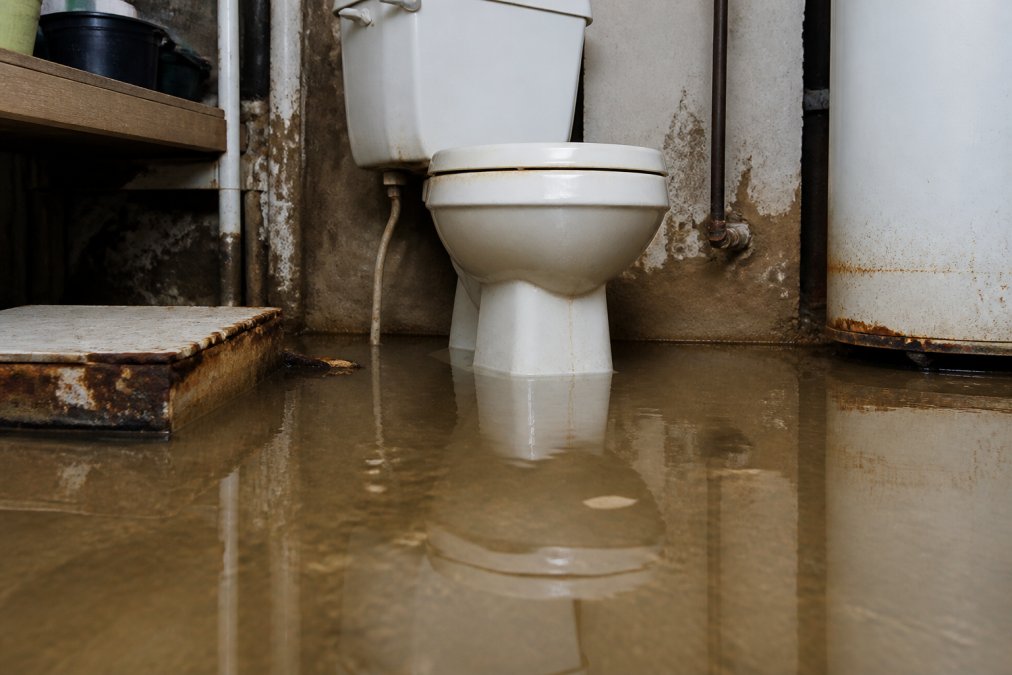
Few homeowner emergencies are as disruptive and costly as sewage backing up into a finished basement. The EPA notes that indoor mold growth, often a byproduct of water damage, can begin within 24 to 48 hours, making rapid response critical (EPA guidance on mold remediation). Preventing sewage backup in basement spaces requires a proactive maintenance strategy rather than a reactive cleanup plan. At Rich’s Plumbing Heating & Air Conditioning, we have spent over 30 years helping New Jersey homeowners protect their properties. Below, we will show you exactly how to identify early warning signs, clear slow drains, and install the right defenses to keep your home safe and dry.
Why Sewage Backs Up Into Basements
Sewage backup is the uncontrolled flow of wastewater from the sanitary sewer system back into your home through basement floor drains or plumbing fixtures. It occurs when the main sewer line becomes blocked, forcing water to take the path of least resistance, often the lowest point in your house.
Common culprits include improper grease disposal, flushing wipes and paper products that do not break down, and tree root intrusion into the sewer lateral. Heavy rainstorms can also overwhelm the municipal sewer system, causing overflow through your drains.
Signs of a Clogged Main Sewer Line
Recognizing early signs of a clogged main sewer line can mean the difference between a simple maintenance call and full-scale water damage mitigation.
Watch for these warning signs:
- Gurgling sounds from toilets or drains after you flush or run water
- Slow drainage in multiple fixtures simultaneously, such as the tub and the toilet
- Water backing up into the shower or tub when you run the washing machine
- Unpleasant odors of rotten eggs or wastewater coming from drains
- Lush, overly green patches in your yard, which often indicate a leaking sewer line
If you notice several symptoms at once, the issue is likely in the main sewer line rather than an isolated fixture drain. Addressing it quickly prevents a basement backup.
Step-by-Step Guide to Preventing Sewage Backup in Basement
A comprehensive approach focuses on what you put down your drains and how you maintain the pipes leading to the municipal sewer system. The goal is to keep wastewater flowing freely in one direction: away from your house.
1. Dispose of Grease and Fats Properly
The number one cause of residential sewer line clogs is solidified cooking grease. When hot grease is poured down the sink, it cools and congeals inside the pipe, creating a sticky barrier that catches debris.
Running hot water or dish soap only pushes the problem further down the pipe. Instead, pour cooled grease into a metal can or glass jar and dispose of it in the trash once it solidifies. Wipe greasy pans with a paper towel before washing.
The 10-Foot Rule: Most municipal sewer codes require grease traps in commercial kitchens. For residential homes, the practical equivalent is simple: never pour grease down any drain that connects to a pipe within 10 feet of your foundation. That grease will cool and solidify before reaching the municipal main, creating a blockage where your home is most vulnerable.
2. Stop Flushing Paper Products and Wipes
Toilet paper is designed to disintegrate quickly in water. Baby wipes, cleaning wipes, paper towels, and feminine hygiene products maintain their structural integrity for years, making them a primary cause of sewer backups.
Only human waste and toilet paper should ever be flushed. Even wipes labeled "flushable" do not break down sufficiently for most sewer systems. Provide a small trash can in each bathroom.
The Flushability Myth: In 2018, the FTC charged a major wipe manufacturer with deceptive advertising for claiming its products were flushable when they did not disintegrate like toilet paper (the FTC). No wipe, regardless of labeling, meets municipal wastewater disintegration standards. If you have a septic system, the risk is even higher: wipes can clog the inlet baffle and cause premature system failure.
3. Manage Tree Roots in Your Sewer Line
Tree roots are naturally drawn to the moisture and nutrients inside your sewer lateral. They can infiltrate through tiny cracks in older clay or cast-iron pipes, eventually growing large enough to cause a complete blockage.
If you have large trees near your sewer line, schedule an inspection every 18 to 24 months. A professional plumber can use a camera to assess root intrusion and recommend treatments from chemical root killers for minor issues to hydro-jetting or pipe relining for severe cases. Removing the tree is sometimes the only permanent solution, but it is rarely necessary if you catch the problem early.
Know Your Pipe Material: Homes built before 1970 typically have clay tile or cast-iron sewer lines, both of which develop cracks and joint gaps over time that roots exploit. Homes built after 1990 usually have PVC piping, which is root-resistant but not root-proof, roots can still enter through loose joints or damaged pipes. If you live in an older home with mature trees, lean your inspection frequency toward the 18-month end.
4. Schedule Regular Sewer Line Maintenance
Preventative maintenance is the most effective strategy for preventing basement sewage backup. Annual professional cleaning removes sludge, grease, and debris buildup that accumulates even in well-maintained systems.
A professional drain cleaning service uses hydro-jetting, which blasts water at high pressure through the pipes to scour the interior walls clean. This is more effective than a standard auger, which simply pokes a hole through a blockage. Regular maintenance also identifies weak points before they become emergencies.
The Maintenance vs. Emergency Cost Gap: A typical residential hydro-jetting service can vary in cost depending on your region and sewer lateral length. A full sewage backup cleanup routinely costs thousands of dollars when you factor in water extraction, structural drying, contaminated material disposal, and mold remediation. One annual cleaning costs a fraction of what a single backup event will cost, and it also extends the lifespan of your sewer line.
5. Track Your Maintenance with a Seasonal Checklist
Prevention only works if you follow through. The most common failure point is not a lack of knowledge, it is a lack of consistency. Homeowners know they should test their backwater valve and check their sump pump, but without a reminder system, these tasks slip.
Create a simple seasonal checklist and post it near your main electrical panel or water heater:
Spring (after thaw):
- Pour a bucket of water into the basement floor drain to verify it flows freely
- Test the sump pump by pouring water into the sump pit until the float activates
- Check the backwater valve cleanout cap for debris or obstruction
- Walk your property line and note any new sinkholes or overly lush grass patches
Summer:
- Flush an enzyme-based drain cleaner down basement drains to break down organic buildup
- Inspect downspouts and gutters to ensure rainwater is directed at least 6 feet away from your foundation
- Verify that your sump pump discharge line is not blocked and drains away from the house
Fall (before heavy rains):
- Schedule your annual hydro-jetting or sewer line inspection
- Test the backwater valve again, this is the season when municipal systems are most likely to surcharge
- Clear any debris from the area around your exterior cleanout cap
Winter:
- If you leave for more than a week, have someone run water in the basement occasionally to keep the trap seals filled
- Check for ice buildup around the sump pump discharge line
- Review your insurance policy to confirm your sewer backup rider is still active
This checklist takes about 30 minutes per season. It is the single most effective habit to avoid a catastrophic backup, because it catches small issues before they become emergencies.
How to Clear a Slow Drain Before It Becomes a Backup
Learning how to clear slow drain issues early is a critical homeowner skill. A single slow drain is often localized, but it should never be ignored, as it can indicate a developing clog that will eventually affect the entire system.
Start with the simplest solution: remove the drain cover and manually clear out hair and debris. For kitchen sinks, a mixture of baking soda and white vinegar followed by hot water can break down mild organic buildup. Avoid chemical drain cleaners, as they are harsh on pipes and rarely solve the underlying problem.
Tap to easily schedule service today! →
If the drain remains slow, use a plunger to create suction and dislodge the clog. For tougher blockages, a drain snake or auger can reach further into the pipe. If the slow drain persists, or if multiple drains are slow, call a professional to inspect the main sewer line before the situation escalates.
Backwater Valve Installation: Your Last Line of Defense
Backwater valve installation is the single most effective measure to physically prevent sewage from entering your home. A backwater valve, also known as a backflow preventer, is a check valve installed on the sewer line that allows wastewater to flow out but automatically closes if the municipal sewer system backs up.
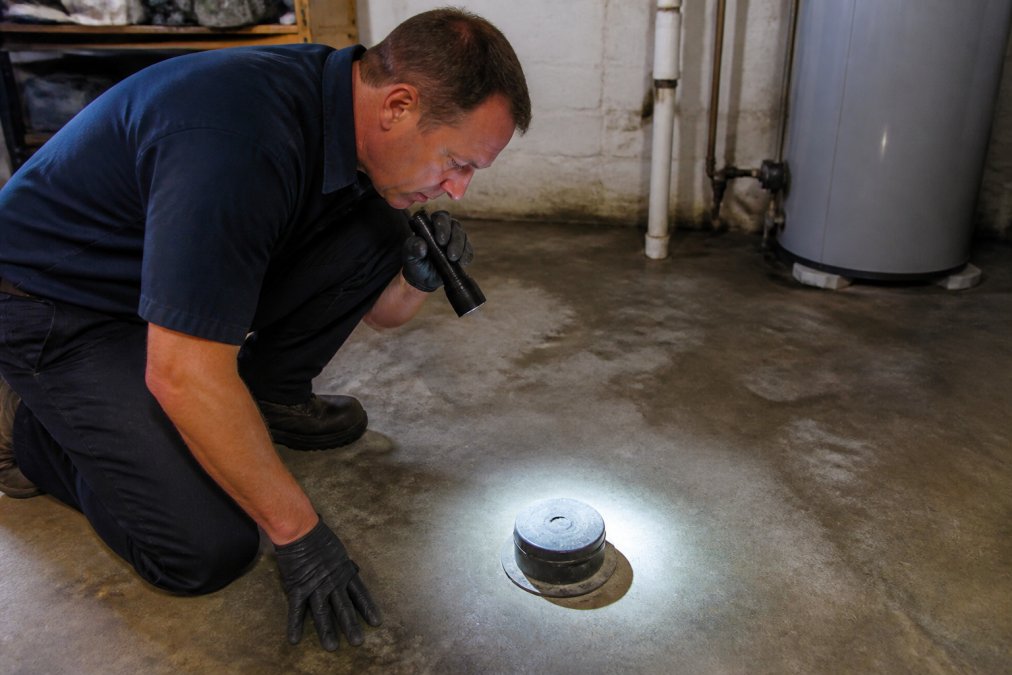
This device is particularly important for homes with basement bathrooms, laundry rooms, or floor drains, which are the most vulnerable points during a sewer overflow. The valve is typically installed in the basement floor or in an exterior cleanout, where the sewer line exits the foundation.
Installation is not a DIY project for most homeowners. It requires cutting into the main sewer line, which involves precise measurements and knowledge of local plumbing codes. A licensed plumber will ensure the valve is installed correctly and is accessible for maintenance. Most modern backwater valves feature a cleanout port, allowing you to clear debris without removing the entire unit.
Immediate Steps to Take During a Sewer Backup
If you experience a sewage backup despite your best efforts, your immediate actions determine the extent of the damage. Sewage contains bacteria and viruses that pose serious health risks, so safety is your top priority.
First, evacuate the area and keep children and pets away from the contaminated space. Turn off all electrical power to the affected rooms if water has reached outlets or appliances. Do not flush toilets or run water, as this will only add more wastewater to the flooded area.
Contact a professional emergency plumbing service immediately. A plumber can clear the blockage and stop the flow, but the cleanup requires specialized equipment. You should also call your insurance company to document the damage. Take photos of the affected areas before any cleanup begins, as this evidence is crucial for your claim. Professional water damage mitigation teams will remove standing water, dry the structure, and sanitize the area to prevent mold growth.
Insurance, Smart Monitoring, and When to Call a Pro
Standard homeowners insurance policies typically exclude sewage backup damage unless you have purchased a specific sewer backup rider. This coverage is often inexpensive and is one of the most valuable additions you can make to your policy. Check with your insurance agent to confirm whether you are protected, as cleanup costs can quickly reach thousands of dollars.
Understanding Your Sewer Backup Coverage
The distinction between flood insurance and sewer backup coverage is one of the most misunderstood aspects of homeowner protection. A standard flood insurance policy, required if you have a federally backed mortgage and live in a FEMA-designated flood zone, covers damage from rising surface water (fema.gov). It does NOT cover damage from water that backs up through your drains from the sanitary sewer system.
Sewer backup coverage is typically offered as an endorsement or rider to your standard homeowners policy. According to the Insurance Information Institute, this rider typically adds to your premium, depending on your location and coverage limits. Most insurers offer various limits, though some allow you to purchase higher coverage for an additional premium.
What to ask your insurance agent:
- Does my current policy include sewer backup coverage, or is it excluded?
- What is the coverage limit, and does it include the cost of tearing out and replacing finished basement walls and floors?
- Is there a separate deductible for sewer backup claims?
- Does the policy cover the cost of a plumber to clear the blockage, or only the cleanup and restoration?
- Will my premium increase after I file a claim?
Documentation protocol: If a backup occurs, take photos and video of the affected area before any cleanup begins. Keep receipts for any emergency plumbing work and temporary lodging if the basement is uninhabitable. Most insurers require you to file a claim within a specific window, typically 14 to 30 days, so do not delay.
Smart Home Monitoring: Early Warning Systems
Modern smart home monitoring systems can provide early warning of conditions that lead to sewage backups. While no sensor can prevent a municipal main from surcharging, these devices give you precious minutes to move valuables and shut off water-using appliances.
Water leak detectors placed near your basement floor drain, sump pump pit, and washing machine can alert your phone to moisture before it becomes a flood. The most reliable options use both Wi-Fi connectivity and a local siren, so you are alerted even if your internet goes down. Look for models with replaceable batteries and a sensor probe that can be extended to reach low-lying areas.
Sump pump monitors are a more specialized option. These devices attach to your sump pump system and alert you if the pump fails to activate when water reaches a certain level, or if it runs continuously, both warning signs of impending failure. Some advanced models can also detect power outages and notify you so you can deploy a backup generator or battery system.
Smart water shutoff valves take monitoring a step further. These devices attach to your main water supply line and can automatically shut off water flow when a leak is detected. While they do not directly prevent sewage backup, which comes from the sewer line, not the water supply, they do prevent clean water from continuing to flow into a basement that is already flooding, reducing the total volume of water damage.
Placement strategy for maximum coverage:
- One sensor directly next to the basement floor drain
- One sensor at the base of the sump pump pit
- One sensor behind the washing machine
- One sensor near the water heater
- Optional: one sensor in the utility sink cabinet if you have one
When to Call a Professional
Knowing when to call a professional is just as important as knowing how to prevent the problem. If you notice recurring clogs, multiple slow drains, or any signs of a blocked main line, DIY methods will not solve the issue. A professional sewer line inspection provides a definitive diagnosis.
Call a licensed plumber immediately if:
- Multiple fixtures drain slowly at the same time
- You hear gurgling sounds from toilets or drains after flushing
- Water backs up into the tub or shower when you run the washing machine
- You notice sewage odors coming from basement drains
- Your backwater valve fails its semi-annual test
Do NOT attempt DIY repairs on:
- The main sewer line between your house and the municipal connection
- Backwater valve installation or replacement
- Any work that requires cutting into a cast-iron or clay pipe
- Any work that requires a permit under your local plumbing code
Most municipalities require a permit for backwater valve installation and any modification to the sewer lateral. Unpermitted work can result in fines, failed home inspections at sale, and, critically, denial of insurance claims if the backup is traced to improper installation.
Rich’s Plumbing Heating & Air Conditioning offers emergency services with a 60-minute response time, ensuring that urgent plumbing issues are handled quickly by licensed, insured technicians. We can also provide a video inspection report that documents the condition of your sewer line, which is useful for insurance purposes and for planning preventative maintenance.
Conclusion
Protecting your home from sewage backup requires a combination of smart habits, regular maintenance, and the right equipment. By managing what goes down your drains, scheduling annual inspections, and installing a backwater valve, you can drastically reduce the risk of a devastating basement flood.
When you need expert help, Rich’s Plumbing Heating & Air Conditioning is ready with licensed professionals, a 100% satisfaction guarantee, and high-quality emergency drain services. Whether you need a routine sewer line inspection or urgent backup cleanup, our family-owned team is available to restore your home's safety and comfort. Tap to easily schedule service today.
Frequently Asked Questions
What causes sewage to back up in your basement?
Sewage backup in a basement is usually caused by a blockage in the main sewer line that connects your home to the municipal sewer system. Clogs often form from flushed paper products, wipes, or grease buildup. Tree root intrusion into the sewer lateral is another common cause, as is heavy rainfall that overwhelms the municipal system. When water cannot flow forward, it takes the path of least resistance, which is often the lowest point in your home, like a basement floor drain.
Are backwater valves effective at preventing basement flooding?
Yes, backwater valves are highly effective at preventing sewage backup. A backwater valve, a type of check valve, is installed on your main sewer line and creates a one-way gate. It allows wastewater to flow out of your home but automatically closes if the municipal sewer system or your own drain line begins to flow backward. This physical barrier stops sewage from surging up through your basement floor drains. For the valve to work correctly, professional installation and periodic cleaning are required.
Does homeowners insurance cover sewer backup damage?
Standard homeowners insurance policies typically do not cover damage from sewer backups. You usually need to purchase a specific sewer backup or water backup endorsement as an add-on to your policy. This coverage helps pay for water damage mitigation, cleaning, and repairs to your basement and belongings. Since the cost of cleanup can be substantial, contact your insurance agent to discuss adding this protection.
How often should sewer lines be inspected to prevent backups?
Plumbers recommend a sewer line inspection every 18 to 24 months for most homes. However, if your property has large trees near the sewer lateral, you may need an annual inspection to catch early tree root intrusion. Regular video camera inspections help identify pipe blockage, cracks, or buildup before they cause a sewage backup. Preventative maintenance, including hydro-jetting to clear sludge and roots, is far less costly than emergency cleanup and water damage mitigation.