 ultimate-guide
Plumbing Services for Townhouses: A Complete Guide
Table of Contents
- Why Townhouse Plumbing Requires Specialized Service
- Common Townhouse Plumbing Issues and How to Spot Them
- Residential Plumbing Permit Requirements for Renovations
- Emergency Plumbing Repair Cost: What to Expect
- Water Heater Installation and Repair for Townhouses
- Drain Cleaning and Sewer Line Repair Services
- Finding and Vetting Licensed Plumbing Professionals
- Preventative Maintenance to Avoid Costly Repairs
- Frequently Asked Questions
Last Updated: August 21, 2026
Why Townhouse Plumbing Requires Specialized Service
Townhouse plumbing differs fundamentally from single-family home plumbing because your system shares walls, pipes, and main lines with neighbors. This shared infrastructure creates complications that inexperienced plumbers often overlook. Your drain line might connect to a shared sewer main, water pressure could be affected by neighbors' usage, and walls contain pipes inaccessible without cutting drywall.
At Rich's Plumbing Heating & Air Conditioning, we've handled thousands of townhouse calls and learned that problems require understanding how your home connects to the broader building infrastructure, knowing which repairs fall on you versus your HOA, and anticipating cascade failures where one neighbor's problem becomes yours.
The biggest mistake townhouse owners make is hiring a plumber who treats their home like a single-family property. That plumber fixes the immediate symptom and leaves. Six months later, the same problem returns because the root cause was never addressed. Shared plumbing systems demand specialized expertise.
Common Townhouse Plumbing Issues and How to Spot Them
Townhouse plumbing failures follow predictable patterns. Recognizing them early can save thousands in emergency repairs.
Shared Wall Complications
Your walls contain plumbing that runs vertically through the structure, often shared with adjacent units. When a pipe fails inside a shared wall, water can migrate horizontally between units, creating mold and structural damage that's expensive to trace and repair.
Warning signs include soft spots in drywall, discoloration spreading across walls, or musty smells that persist despite ventilation. Sometimes your neighbor mentions water damage on their side first. By then, the leak has caused serious problems.
Identifying shared wall issues requires a professional who understands townhouse construction and knows where common pipes run. This is where experience matters more than equipment.
Older Pipe Materials and Deterioration
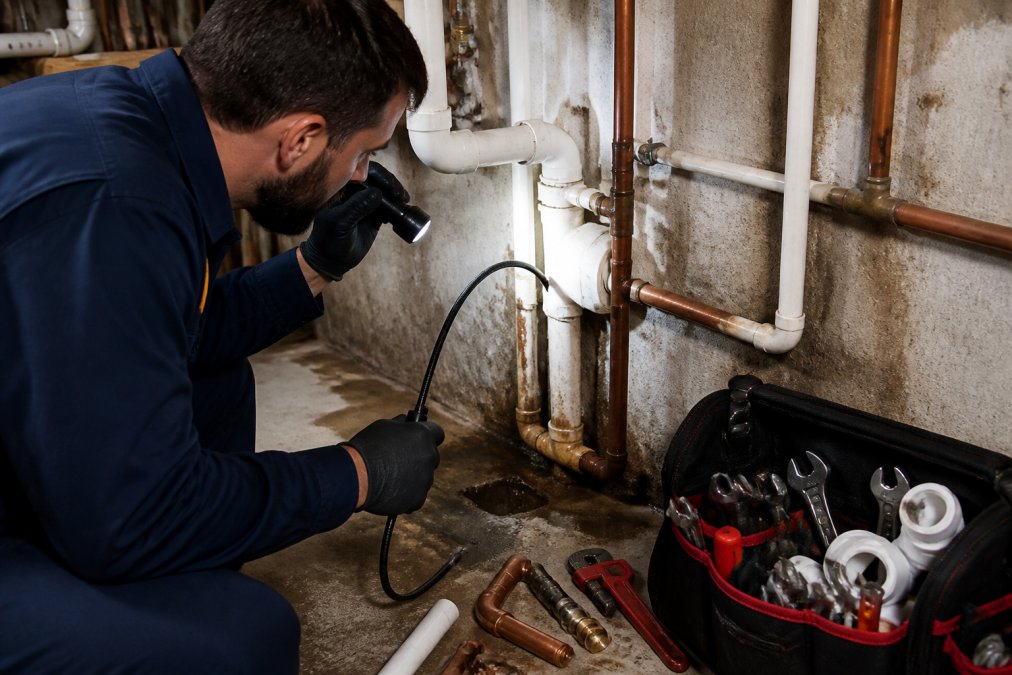
Most townhouses built before 2000 contain galvanized steel or cast iron pipes that corrode from the inside out. You might see reduced water pressure, discolored water, or pinhole leaks appearing in multiple locations.
Galvanized pipes typically last 40-60 years (peer-reviewed research). If your townhouse was built in the 1970s or 1980s, your pipes are likely approaching their expected lifespan. Once corrosion starts, it accelerates, a single pinhole leak this year often means multiple leaks next year.
The challenge: these pipes run through walls, under floors, or in shared spaces. Replacing them requires coordinating with neighbors, notifying your HOA, or working around structural elements. A plumber unfamiliar with townhouse layouts will underestimate scope and cost.
Drain Backups and Sewer Line Problems
Townhouse drain systems converge into shared main lines before connecting to municipal sewer. A blockage in the shared section affects every unit downstream. Grease buildup, tree roots, or structural damage creates backups that spread from one townhouse to the next.
Slow drains in multiple fixtures, gurgling sounds from toilets, or sewage smell indicate a problem beyond your individual unit. A standard drain cleaning might clear your line temporarily but won't solve the shared main line issue. Emergency repair costs escalate quickly when shared infrastructure is involved, often requiring excavation and HOA approval.
Residential Plumbing Permit Requirements for Renovations
Plumbing work in townhouses triggers permitting requirements that differ from single-family homes. These regulations protect shared systems, prevent cross-contamination, and ensure structural integrity across multiple units.
When You Need a Permit
Any work involving replacing pipes, installing new fixtures, or modifying the main water line requires a permit. This includes water heater replacement, repiping sections of your home, installing new bathrooms, or upgrading your drainage system.
Unpermitted work voids your homeowner's insurance coverage and can trigger municipal fines. It often gets discovered during home inspections or when selling, creating serious complications. The permit process typically takes 1-2 weeks (nj.gov). A licensed plumber handles the paperwork, schedules inspections, and ensures code compliance.
HOA Approval vs. Owner Responsibility
Your HOA likely has rules about what you can modify in your unit and what requires building-wide approval. Understanding these rules before hiring a plumber prevents costly delays.
The general rule: work inside your unit walls is your responsibility. Work affecting shared systems, common areas, or the building exterior requires HOA coordination. Your HOA documentation spells out the specifics.
Emergency Plumbing Repair Cost: What to Expect
Emergency plumbing calls trigger higher costs than routine maintenance, and townhouse complications make emergencies more expensive than single-family repairs.
Service Call Fees and Response Times
Emergency plumbing typically costs more because work happens outside normal business hours and requires faster mobilization. A 60-minute response time, like Rich's Plumbing Heating & Air Conditioning offers, commands a premium compared to next-day scheduling but prevents additional damage from accumulating.
The service call fee covers diagnostic time and usually applies toward the final invoice if you proceed with repairs. For townhouse emergencies, diagnostic costs can be substantial because identifying whether the problem is in your unit or shared infrastructure requires investigation.
Response time matters financially. A leak discovered at 11 p.m. on Saturday costs significantly more to address immediately than if caught during business hours Monday morning. However, waiting means more water damage, which costs far more than the premium for fast service.
Getting an Accurate Estimate Before Work Begins
Never authorize emergency plumbing work without a written estimate specifying what's included, labor rates, material costs, and timeline. For townhouse work, the estimate should clarify whether the problem is in your unit or shared infrastructure, since that determines cost responsibility.
A written estimate protects both you and the plumber by documenting what was agreed upon. If complications arise during work, you can reference the estimate and negotiate changes rather than facing surprise charges.
Water Heater Installation and Repair for Townhouses
Water heater problems rank among the most common emergency calls from townhouse owners. Your water heater might be in a utility closet, basement, or attic, locations affecting replacement complexity and cost.
Tap to easily schedule service today! →
Tank water heaters typically last 10-15 years (energy.gov). As units approach the end of their lifespan, efficiency drops and failure risk increases. Tankless water heaters offer space savings and longer lifespan but require upgrading gas lines or electrical capacity, work demanding permits and professional installation.
The choice between repair and replacement depends on the unit's age and failure type. A 12-year-old water heater with a leaking tank usually warrants replacement. A 5-year-old unit with a failed thermostat might justify repair. Townhouse installation often requires coordination with neighbors if it affects shared spaces or utilities.
Drain Cleaning and Sewer Line Repair Services
Drain problems in townhouses escalate quickly because drains connect to shared infrastructure. A clog in your line might clear with standard drain cleaning. A problem in the shared main line requires coordination with multiple units and potentially your HOA.
Hydro-jetting uses high-pressure water to clear buildup and break apart blockages. This method works well for grease accumulation, mineral deposits, and minor root intrusion. Video pipe inspection reveals the actual condition of your drainage system, showing blockages, cracks, corrosion, or root intrusion.
Sewer line repair ranges from simple clearing to complete line replacement. For townhouses, repair scope depends on whether damage is in your individual line or the shared main. Shared line damage typically splits costs among affected units.
Finding and Vetting Licensed Plumbing Professionals
Hiring the right plumber makes the difference between a solved problem and a temporary patch that fails months later. For townhouse work, you need someone with specific experience navigating shared plumbing systems, HOA requirements, and permit processes.
Verification and Insurance Protection
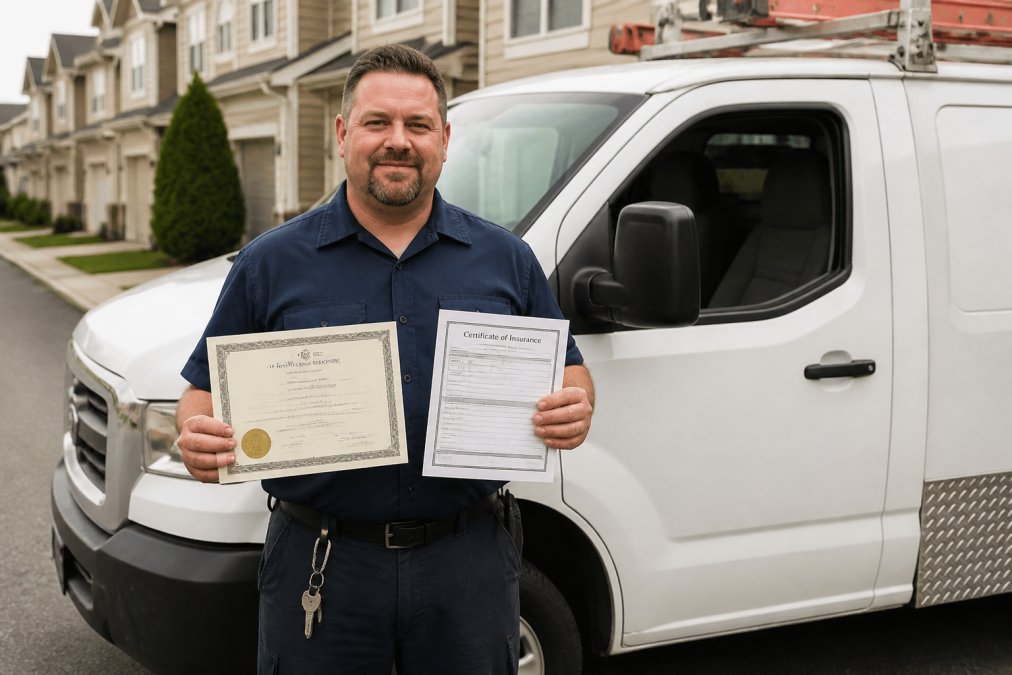
Always verify that your plumber holds a current license. A licensed plumber carries liability insurance and workers' compensation coverage, protecting you if something goes wrong during work.
Ask for proof of licensing and insurance before work begins. Check online reviews and ask for references from previous townhouse clients. A plumber who has handled townhouse work understands the complications and can speak to how they navigated HOA requirements or coordinated with neighbors.
The 60-Minute Response Time Advantage
When plumbing emergencies strike, response time directly impacts damage. A leak running for 8 hours causes more damage than one addressed in 60 minutes. Rich's Plumbing Heating & Air Conditioning's 60-minute response commitment means your emergency gets priority attention before secondary damage compounds the problem.
Response time commitments require staffing and scheduling discipline. A company that promises fast response has invested in infrastructure to deliver it. When evaluating plumbers, ask about their typical response time for emergencies and whether they guarantee a specific window.
Preventative Maintenance to Avoid Costly Repairs
The most effective strategy for managing townhouse plumbing is preventing problems before they become emergencies. Preventative maintenance costs a fraction of emergency repairs and extends your plumbing system's lifespan.
Annual plumbing inspections catch small issues before they escalate. A plumber examines visible pipes, checks water pressure, tests drains, and identifies corrosion or leaks. For townhouses with older pipe materials, annual inspections provide early warning of deterioration so you can plan replacement rather than face emergency failure.
Drain maintenance prevents backups and keeps your line flowing freely. Regular cleaning removes grease, mineral deposits, and minor blockages. Water heater maintenance extends equipment life and improves efficiency, flushing sediment from the tank annually removes buildup that reduces heating capacity and increases energy costs.
Document all plumbing work in your home. Keep records of inspections, repairs, maintenance, and permits. This documentation proves your diligence and helps future owners understand your home's plumbing history.
Townhouse plumbing problems don't resolve themselves, and they rarely stay contained to your unit. The shared infrastructure that defines townhouse living means your plumbing decisions affect neighbors, and their problems can quickly become yours. Rich's Plumbing Heating & Air Conditioning brings over 30 years of experience handling exactly these situations, from navigating HOA requirements to coordinating repairs across multiple units. With a 60-minute response time, licensed technicians, and a 100% satisfaction guarantee, we're equipped to handle your emergency or routine maintenance needs. Tap to easily schedule service today and get the expertise your townhouse deserves.
=== FAQ ANSWERS (audit these too, same rules) ===
[1] Q: Are townhouse plumbing systems different from single-family homes? A: Yes. Townhouses often share walls and sometimes plumbing lines with neighbors, which means a problem on one side can affect adjacent units. Shared sewer lines, older galvanized pipes, and limited access to exterior walls create unique challenges. Licensed plumbers experienced with townhouse plumbing understand these constraints and know how to diagnose issues without disrupting neighboring properties or violating HOA rules.
[2] Q: Can a homeowner pull a residential plumbing permit in New Jersey? A: Homeowners can pull permits for their own plumbing work in New Jersey, but most municipalities require the work to be inspected and approved. Many townhouse HOAs also require written approval before any plumbing work begins. It's safer and faster to hire a licensed plumber who handles permits, inspections, and code compliance. They know local requirements and prevent costly violations.
[3] Q: What factors affect emergency plumbing repair cost? A: Emergency plumbing repair costs depend on the problem's severity, time of day, distance from the service area, and parts needed. A simple clog costs less than a burst pipe or sewer line repair. After-hours calls typically cost more. The best approach is to contact a licensed plumber for an estimate before committing. Transparent pricing and a satisfaction guarantee protect you from surprise charges.
[4] Q: How do I know if a plumber is licensed and insured? A: Ask for proof of licensure and insurance before any work starts. Licensed plumbers in New Jersey carry credentials from the state. Insurance protects you if property damage occurs during repairs. Family-owned companies with over 30 years of experience and a 100% satisfaction guarantee offer additional assurance. Always verify credentials and ask about labor guarantees, reputable plumbers stand behind their work.
Frequently Asked Questions
Are townhouse plumbing systems different from single-family homes?
Yes. Townhouses often share walls and sometimes plumbing lines with neighbors, which means a problem on one side can affect adjacent units. Shared sewer lines, older galvanized pipes, and limited access to exterior walls create unique challenges. Licensed plumbers experienced with townhouse plumbing understand these constraints and know how to diagnose issues without disrupting neighboring properties or violating HOA rules.
Can a homeowner pull a residential plumbing permit in New Jersey?
Homeowners can pull permits for their own plumbing work in New Jersey, but most municipalities require the work to be inspected and approved. Many townhouse HOAs also require written approval before any plumbing work begins. It's safer and faster to hire a licensed plumber who handles permits, inspections, and code compliance. They know local requirements and prevent costly violations.
What factors affect emergency plumbing repair cost?
Emergency plumbing repair costs depend on the problem's severity, time of day, distance from the service area, and parts needed. A simple clog costs less than a burst pipe or sewer line repair. After-hours calls typically cost more. The best approach is to contact a licensed plumber for an estimate before committing. Transparent pricing and a satisfaction guarantee protect you from surprise charges.
How do I know if a plumber is licensed and insured?
Ask for proof of licensure and insurance before any work starts. Licensed plumbers in New Jersey carry credentials from the state. Insurance protects you if property damage occurs during repairs. Family-owned companies with over 30 years of experience and a 100% satisfaction guarantee offer additional assurance. Always verify credentials and ask about labor guarantees, reputable plumbers stand behind their work.