 ultimate-guide
Plumbing Installation Services: What to Know
Table of Contents
- What Plumbing Installation Services Cover
- Residential Plumbing Installation Standards and Code Compliance
- How to Hire a Licensed Plumber for Your Project
- Understanding Plumbing Installation Cost and Getting an Estimate
- Emergency Plumbing Services and When You Need Them
- Common Installation Mistakes to Avoid
- Warranty, Insurance, and Protection After Installation
- Frequently Asked Questions
Last Updated: September 25, 2026
What Plumbing Installation Services Cover
Plumbing installation services include fixture installation, pipe system design and installation, water heater setup, and drainage solutions. Professional expertise goes well beyond simply connecting pipes.
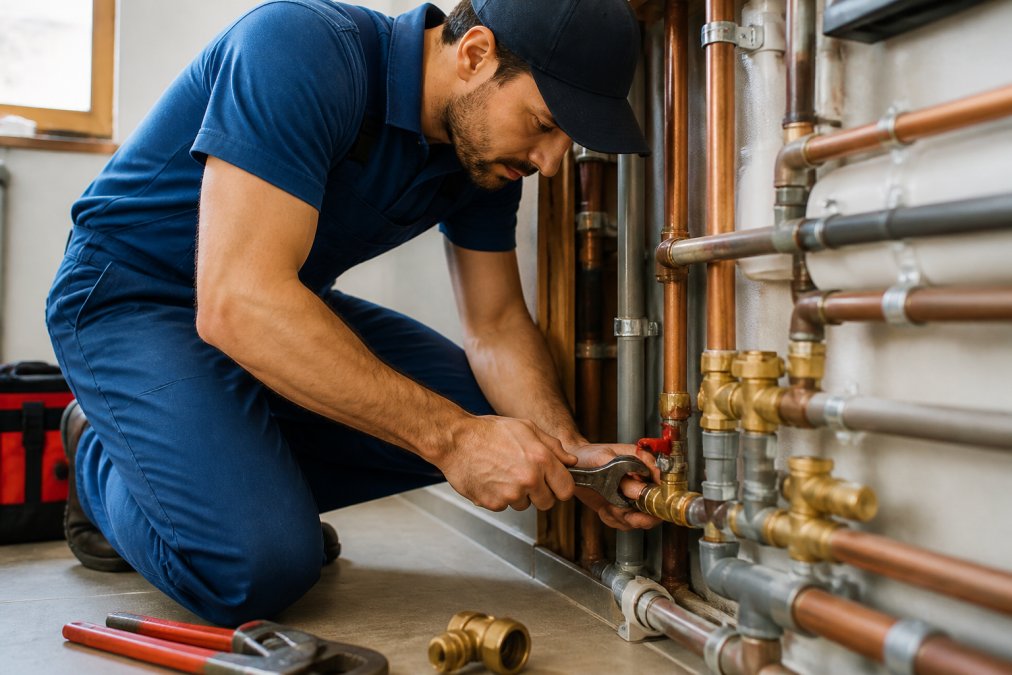
Work covers fixture installation (sinks, toilets, faucets, showers, bathtubs), water supply and drainage piping, water heater installation (gas, electric, or tankless), and rough-in plumbing, the foundational framework installed before walls close during renovations or new construction.
Every home requires a different approach. Townhouses with shared walls differ from single-family homes. Older homes often need pipe replacement alongside fixture upgrades. New construction demands compliance with current building codes from the start.
Emergency plumbing services require quick response and installation under pressure. The ability to diagnose, source equipment, and complete professional installation in a compressed timeframe separates experienced contractors from those still learning.
Residential Plumbing Installation Standards and Code Compliance
Code compliance is mandatory for safe, legal plumbing installation. Building codes govern system installation to protect your home and health. Licensed plumbers know these requirements for your jurisdiction.
Codes specify pipe diameter, material, and slope requirements. Drainage lines must slope 1/4 inch per foot to prevent backups. Water supply lines must be sized for simultaneous fixture use without pressure drops. These are legal requirements enforced by local building departments.
Code compliance varies by location. Hiring someone familiar with your area ensures they know required inspections, documentation, and scheduling for inspector verification before walls close.
Unpermitted plumbing work creates serious problems during home sales. Inspectors spot non-code work, forcing expensive remediation. Unpermitted work may not be covered by homeowner's insurance if it fails.
Piping materials (copper, PVC, PEX, galvanized steel) have specific code-governed applications and restrictions. Licensed professionals know which materials meet code in your area.
How to Hire a Licensed Plumber for Your Project
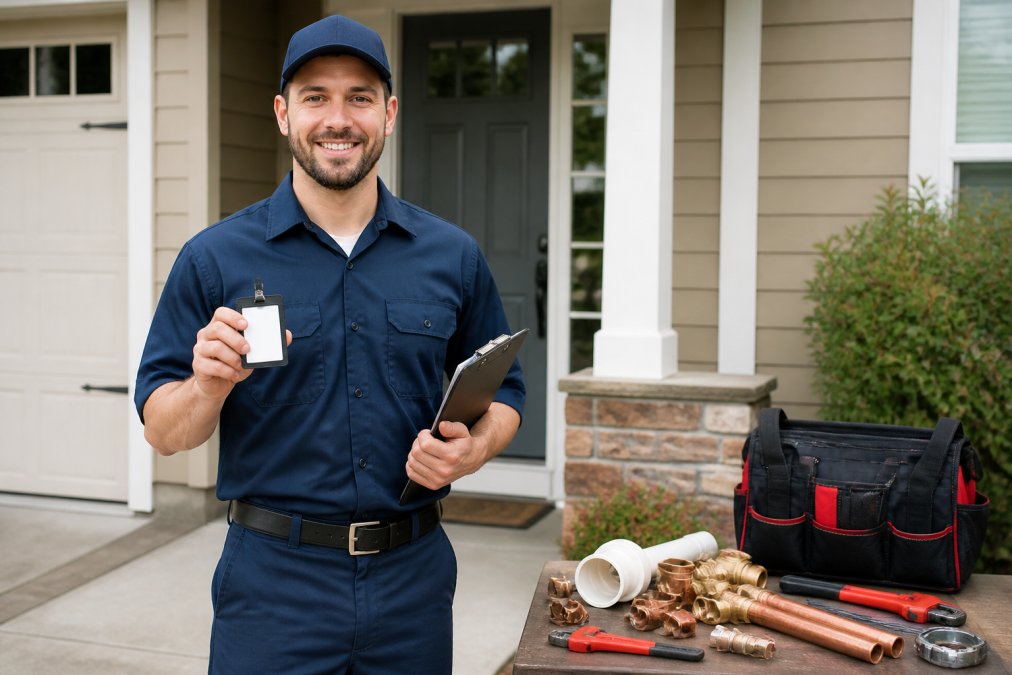
Finding the right plumber requires verifying credentials. Licensed plumbers have passed exams on code, safety, and best practices. Bonding and insurance protect you if something goes wrong.
Verify licensing through your state's searchable licensing board, takes two minutes and eliminates the risk of hiring someone unlicensed. Ask for the license number and verify it yourself.
Bonding protects you if work isn't completed or funds are misused. Liability insurance covers damage during installation. Legitimate contractors carry both and provide proof immediately.
Ask for three to five references from recent plumbing installation services work. Call and ask: Did work finish on schedule? Was the site clean? Did the plumber explain the work? Were there surprise costs?
Look for patterns in online reviews. Multiple mentions of poor communication or unfinished work are red flags.
Get written estimates from at least two contractors. Detailed estimates break down labor, materials, and timeline. Vague estimates prevent comparison. Specify materials, scope, and completion date.
Understanding Plumbing Installation Cost and Getting an Estimate
Cost for plumbing installation services varies based on what you're installing and your home's existing infrastructure complexity. Understanding cost factors prepares you for estimate conversations.
Material costs vary: fixture upgrades cost less than full piping replacement. Water heater costs depend on type (tank vs. tankless). Copper costs more than PVC but may be code-required.
Labor costs reflect plumber experience, location, and job duration. Fixture installation takes hours; bathroom rough-in takes days. Emergency plumbing installation services cost more due to immediate availability and off-hours work.
When getting an estimate, ask the contractor to walk you through what's included. Do they handle permits? Will they coordinate with inspectors? Are there any conditions that might increase the cost, such as discovering old pipes that need replacement once walls are opened? Understanding these details prevents surprises later.
Tap to easily schedule service today! →
Rich's Plumbing Heating & Air Conditioning provides free estimates for most plumbing installation services, which gives you a chance to ask detailed questions before committing. This is a good opportunity to discuss timeline, material choices, and any concerns about your specific situation.
Emergency Plumbing Services and When You Need Them
Emergency plumbing services exist because pipes don't fail during business hours. A burst water line at 2 a.m. on a Sunday demands immediate response, not a call back on Monday. Understanding when you actually need emergency service versus when a regular appointment will work helps you make the right choice.
True emergencies include active water leaks that are flooding your home, sewage backing up into fixtures, or a complete loss of water pressure. These situations require immediate attention to prevent damage and restore function. A burst pipe under your home can cause tens of thousands of dollars in damage if not addressed within hours.
Non-emergencies include a slow drain, a dripping faucet, or a water heater that's stopped working but isn't actively leaking. These need attention, but they can usually wait for a regular appointment. Calling for emergency service when the situation isn't urgent drives up your costs unnecessarily.
The challenge is that homeowners often can't distinguish between the two without professional guidance. A small leak might seem minor but could indicate a larger problem developing. A backed-up drain might clear on its own or might signal a serious blockage in the main sewer line.
When you're uncertain, call and describe the situation. A professional can tell you whether it truly needs emergency response or can wait. Rich's Plumbing Heating & Air Conditioning offers a 60-minute response time for emergency plumbing services.
Common Installation Mistakes to Avoid
Understanding what goes wrong during plumbing installation helps you spot problems before they become expensive. Many mistakes happen because homeowners try to save money by doing the work themselves or hiring someone without proper credentials.
Undersizing pipes is a common error. A plumber who doesn't calculate demand correctly might install supply lines too small for your home's needs. You'll notice this when multiple fixtures run simultaneously and water pressure drops dramatically. Fixing this requires opening walls and replacing pipes, far more expensive than getting it right initially.
Improper slope on drainage lines causes water to pool inside pipes instead of flowing freely. Clogs become frequent. Odors develop. The fix requires removing and reinstalling the drainage system at proper angles, which is expensive and disruptive.
Using wrong materials for the application creates problems that appear months or years later. PVC isn't suitable for hot water lines. Galvanized steel corrodes over time and restricts flow. A licensed plumber knows which material works for each application in your jurisdiction.
Skipping permits and inspections creates liability and resale problems. You might save a few hundred dollars upfront, but discovery during a home inspection can kill a sale or force you to pay for the work twice, once initially and again to bring it into compliance.
Poor connections and inadequate support for pipes lead to leaks and noise. Pipes need proper hangers and supports. Connections need the right fittings and sealant. These details matter because they determine whether your system lasts 50 years or 10.
Warranty, Insurance, and Protection After Installation
What happens after the plumber leaves matters as much as the quality of the installation itself. Understanding warranty coverage and insurance protection gives you recourse if problems develop later.
Licensed and insured contractors carry liability insurance that covers damage caused during installation. If a plumber accidentally damages your wall while running a new line, their insurance covers the repair. Bonding protects you if the contractor doesn't complete the work as promised.
Warranty terms vary by contractor and material.
Frequently Asked Questions
What permits are required for residential plumbing installations?
Most residential plumbing installation projects require permits from your local building department or municipality. The specific permits depend on the scope of work, new construction, major renovations, water heater replacement, and gas line installation typically require permits. Permitted work ensures your installation meets code compliance and residential plumbing installation standards. Your plumber should handle the permitting process and inspections. Working without required permits can result in fines, insurance claim denial, and complications when selling your home. Always verify permit requirements with your local authority before work begins.
How do I know if a plumber is ripping me off?
Get multiple free estimates before committing to any plumbing installation services. Compare the scope of work, materials, labor costs, and timeline across estimates. Be cautious of prices that are significantly lower or higher than others, this can signal either cost-cutting or overcharging. Ask your plumber to explain the estimate in detail and verify they are licensed, bonded, and insured. Request references and check online reviews. Legitimate professionals are transparent about costs and won't pressure you into immediate decisions. A reputable licensed plumber will walk you through the process and answer your questions.
How much does it cost to install plumbing in a house?
Plumbing installation costs vary widely based on project scope, materials, local labor rates, and complexity. A simple fixture installation costs less than rough-in plumbing for new construction or extensive pipe replacement. Rather than guessing, contact a qualified plumber for a free estimate tailored to your specific project. They'll assess your needs and provide accurate pricing. Many factors affect cost: pipe material (PVC, copper, PEX), distance from main lines, code requirements, and whether permits are needed. Get estimates from multiple licensed professionals to compare and understand the range for your situation.
What should I look for when choosing a plumbing installation contractor?
Verify the contractor is licensed, bonded, and insured, this protects you if something goes wrong. Check their experience with projects similar to yours (residential vs. commercial, fixture installation vs. system design). Ask about their response time for emergency service and whether they offer free estimates. Read customer reviews focusing on professionalism, timeliness, and quality of work. Confirm they understand local code compliance and residential plumbing installation standards. A family-owned business with years of experience often provides stability and accountability. Always get everything in writing, including warranty terms and insurance documentation.