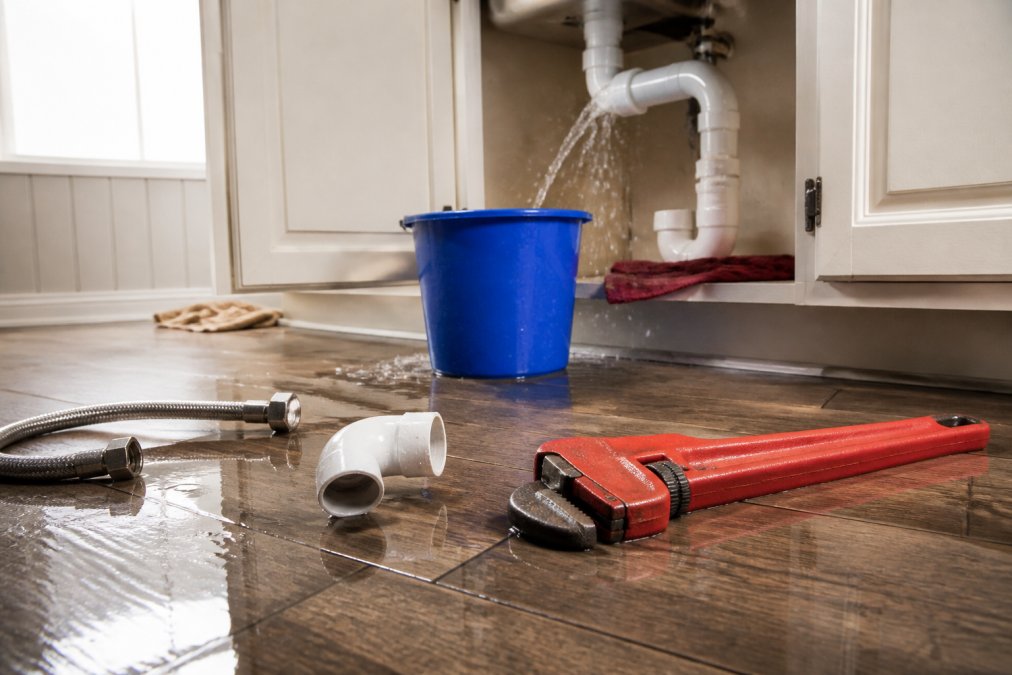
 listicle
7 Signs of a Plumbing Emergency in Your Home
Table of Contents
- 1. Burst or Frozen Pipes
- 2. Active Flooding or Major Water Leaks
- 3. Sewage Backup and Sewer Line Backup Symptoms
- 4. Water Heater Failure or No Hot Water
- 5. When to Shut Off Main Water Valve
- 6. How to Clear Slow Drain Before It Becomes Critical
- 7. Overflowing Toilets and Persistent Clogs
- Immediate Steps to Minimize Water Damage
- Frequently Asked Questions
Last Updated: September 26, 2026
1. Burst or Frozen Pipes
Signs of a burst or frozen pipe include:
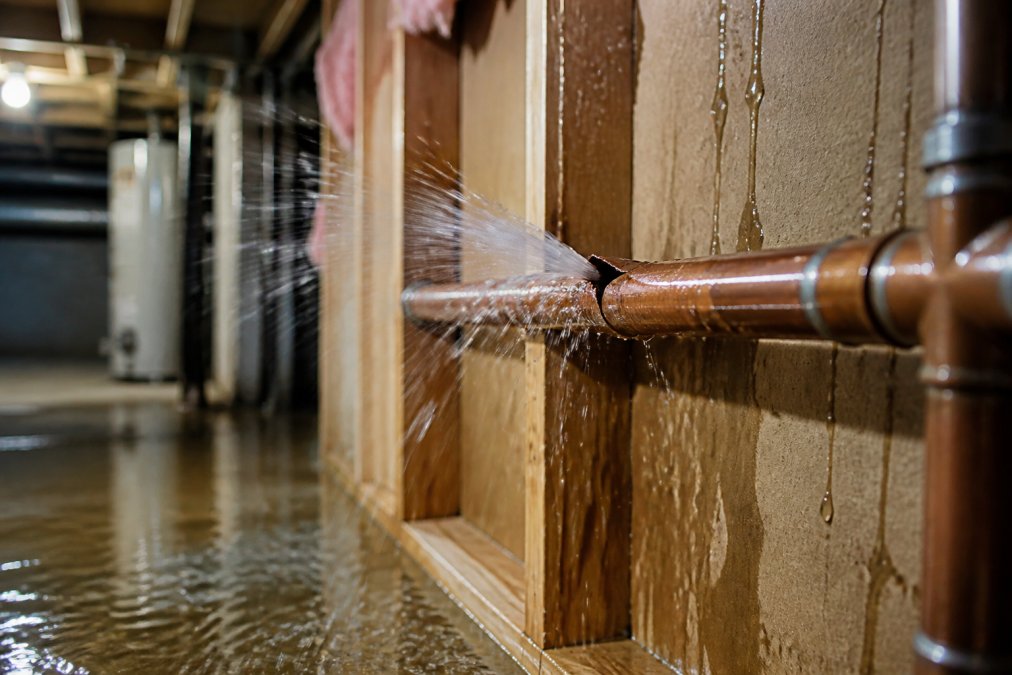
- Water spraying visibly from a pipe joint or crack
- Sudden loss of water pressure throughout the home
- A hissing or rushing water sound in walls or under floors
- Wet spots, discoloration, or bulging drywall
- Ice buildup on exposed pipes in unheated spaces
For frozen pipes, wrap with heating tape, use a hair dryer, or pour hot water over the section. If the pipe has burst, thawing won't help, call a professional.
2. Active Flooding or Major Water Leaks
Immediate signs of active flooding:
- Water pooling on floors or in crawl spaces
- Water dripping through ceilings or light fixtures
- Water seeping from basement walls or foundation cracks
- A sudden spike in your water meter reading with no corresponding water use
- Wet, spongy flooring or soft drywall
After water is removed, open windows and doors, run fans and dehumidifiers to slow mold growth. Rich's Plumbing Heating & Air Conditioning offers emergency response with a 60-minute response time.
3. Sewage Backup and Sewer Line Backup Symptoms
Signs of sewage backup include:
- Multiple drains (sinks, showers, toilets) backing up or draining slowly at the same time
- Foul odors coming from drains, especially in basements or crawl spaces
- Gurgling sounds from toilets or drains when using other fixtures
- Discolored or dark water in bathtubs or showers
- Sewage pooling in the yard or basement
- Unusually lush patches of grass in the yard (caused by nutrient-rich sewage)
Sewer line issues require camera inspection and specialized equipment to clear blockages or assess repair needs. Licensed professionals with proper safety equipment are essential.
4. Water Heater Failure or No Hot Water
Signs of water heater failure include:
- No hot water or only lukewarm water from any fixture
- Rust-colored or discolored water from hot taps
- Leaking water pooling around the base of the tank
- Rumbling, popping, or banging sounds from the heater
- A gas smell (for gas water heaters) or burning smell
- Water heater is more than 10-15 years old and losing efficiency
A failing heater that is leaking or showing signs of rupture requires urgent attention. Rich's Plumbing Heating & Air Conditioning handles water heater installation and repair.
5. When to Shut Off Main Water Valve
Locating your main shut-off valve:
- Check where the water line enters your home from the street (usually in the basement, crawl space, or under the kitchen sink)
- Look for a valve with a round handle or a lever handle
- The valve is typically near the water meter
- Mark its location now so you can find it quickly in an emergency
How to shut off the valve:
- Turn a round handle clockwise (to the right) until it stops
- For a lever handle, turn it perpendicular (90 degrees) to the pipe direction
- Do not force it, apply steady pressure until the valve closes
- After closing, open a faucet to release residual pressure in the pipes
If your main shut-off valve is stuck or corroded, call a plumber to service or replace it. Rich's Plumbing Heating & Air Conditioning can locate, test, and repair main shut-off valves.
6. How to Clear Slow Drain Before It Becomes Critical
A slow drain is among the plumbing emergency signs that warn of a larger clog developing. Addressing it now prevents complete blockage. Slow drains result from hair, soap buildup, grease, food particles, or mineral deposits.
Steps to clear a slow drain:
-
Remove visible debris: Use a plunger (for sinks or tubs) or a hand auger to pull out hair and buildup near the drain opening.
-
Use a drain snake: A simple hand auger (available at hardware stores) can break up clogs in sink and tub drains. Insert it into the drain, twist, and pull back to catch debris.
-
Try a chemical drain cleaner: For mild clogs, a commercial drain cleaner can dissolve buildup. Follow the product instructions carefully and ensure good ventilation.
-
Boiling water: For grease clogs, pour boiling water down the drain slowly. This can dissolve grease and flush it through the line.
-
Baking soda and vinegar: Pour baking soda down the drain, followed by white vinegar. Cover the drain and let it sit for 30 minutes. The chemical reaction can break up minor clogs.
-
Check the drain trap: Under sinks, the U-shaped pipe (trap) often catches debris. Place a bucket underneath, unscrew the trap, and remove any buildup.
7. Overflowing Toilets and Persistent Clogs
An overflowing toilet spreads contamination and water damage quickly. Stop using it immediately.
Signs of a toilet emergency:
- Water rising toward the rim when you flush
- Toilet backing up into the bowl after flushing
- Gurgling sounds when other drains are used
- Toilet draining slowly or incompletely
- Foul odors or discolored water in the bowl
Immediate steps if a toilet is overflowing:
-
Stop the flow: Lift the toilet tank lid and close the flapper valve (the rubber seal at the bottom of the tank). This stops water from entering the bowl.
-
Do not flush again: Every flush pushes more water and waste into the clog, making it worse.
-
Use a plunger: A cup-style plunger (designed for toilets) can dislodge the clog. Fill the bowl with enough water to cover the plunger cup, then plunge vigorously 15-20 times.
-
Use a toilet auger: If plunging doesn't work, a toilet auger (a specialized snake for toilets) can break up the clog. Insert it into the drain hole and crank the handle to advance and retrieve it.
-
Call for professional help: If the clog persists, the blockage is in the main drain line or sewer line, and you need professional equipment to clear it.
| Symptom | Likely Cause | DIY Fix | Professional Service Needed |
|---|---|---|---|
| Single toilet slow to drain | Local clog in trap | Plunger or toilet auger | If auger doesn't clear it |
| Multiple drains backing up | Main line blockage | None, call plumber | Yes, camera inspection and clearing |
| Overflowing after flush | Immediate clog | Plunger or auger | If plunging fails |
| Gurgling from toilet when shower drains | Vent stack blockage | None, call plumber | Yes, vent stack cleaning |
Immediate Steps to Minimize Water Damage
When a plumbing emergency strikes, the first minutes are critical. Water damage accelerates exponentially and mold begins growing within 24-48 hours.
Your emergency action plan:
-
Shut off water immediately: Locate the main shut-off valve and close it. This stops the source of the leak or flood. If you cannot find the valve, shut off the water heater as a secondary measure.
-
Turn off electricity: If water is near electrical outlets, switches, or appliances, turn off power to that section at the breaker. Water and electricity are a dangerous combination.
-
Remove standing water: Use towels, mops, or a wet/dry vacuum to remove pooling water. Do not let it sit, every hour increases mold risk and structural damage.
-
Increase air circulation: Open windows and doors. Run fans and dehumidifiers if available. This slows mold growth significantly.
-
Move valuables and furniture: Get items away from the affected area to prevent loss and allow water to dry.
-
Document the damage: Take photos and videos for insurance purposes. This documentation is essential for claims.
-
Call for emergency service: Contact Rich's Plumbing Heating & Air Conditioning immediately. Our 60-minute response time ensures rapid assessment of the problem. We handle emergency plumbing, heating, and cooling issues with licensed, bonded, and insured professionals backed by a 100% satisfaction guarantee.
-
Contact your insurance company: Report the damage and ask about coverage for water mitigation and repairs. Some policies cover emergency services; others do not.
Frequently Asked Questions
What are the main signs of a plumbing emergency in a home?
The seven primary signs include burst or frozen pipes, active flooding, sewage backup, water heater failure, low water pressure from main line breaks, slow drains that worsen rapidly, and overflowing toilets. Any of these indicates you need immediate professional help. Standing water, discolored water, or rushing water sounds are also red flags. A plumbing emergency typically involves water damage risk, health hazards, or system failure that cannot wait for routine service.
How do I know when to shut off my main water valve during a plumbing emergency?
Shut off your main water valve immediately if you see burst pipes, active flooding, or water spraying from any fixture. The main shut-off valve is usually located near the water meter or where the water supply enters your home. Turn it clockwise to stop water flow. This is critical during emergencies because it prevents catastrophic water damage while you wait for emergency repair. Know your valve's location before an emergency strikes so you can act fast.
What are the symptoms of a sewer line backup?
Sewer line backup symptoms include multiple slow drains throughout your home, gurgling sounds from toilets or drains, foul odors coming from plumbing fixtures, sewage backing up into bathtubs or lowest-level drains, and standing water in your yard. You may also notice mold growth near the foundation or wet patches in landscaping. These signs indicate the main sewer line is blocked or damaged. This is a plumbing emergency because it poses health risks and structural damage to your home.
Can I temporarily fix a slow drain myself, or should I call a professional immediately?
Minor slow drains from hair or soap buildup can often be cleared with a plunger, drain snake, or hot water. However, if the drain remains slow after these attempts, or if multiple drains slow simultaneously, call a professional. Slow drains that worsen rapidly or are accompanied by foul odors signal a deeper blockage or sewer line issue, these require professional equipment like a drain cleaning machine. Don't wait if you suspect a sewer problem.
How is a plumbing emergency different from a routine repair?
A plumbing emergency involves immediate risk of water damage, health hazards, or system failure. Burst pipes, active flooding, sewage backup, and no hot water in winter are emergencies. Routine repairs include fixing a leaky faucet, replacing a fill valve, or clearing a single slow drain. Emergencies require 24/7 response and professional expertise to prevent property damage and contamination. If water is actively flowing where it shouldn't be, or you smell sewage, treat it as an emergency.
Plumbing emergencies are stressful, but knowing the warning signs and taking immediate action protects your home and family. If you're facing a burst pipe, sewage backup, flooding, or any other plumbing emergency sign, don't wait. Rich's Plumbing Heating & Air Conditioning is available 24/7 with a 60-minute response time, licensed professionals, and a 100% satisfaction guarantee. Tap to easily schedule service today and get expert help when you need it most.