 comparison
Is Hydro-Jetting Worth It for Old Pipes?
Table of Contents
- What Is Hydro-Jetting and How It Works
- Hydro-Jetting vs. Snaking: Which Method Is Right for Old Pipes
- Pipe Material Considerations: Cast Iron, PVC, and Clay
- Why a Sewer Camera Inspection Is Essential Before Hydro-Jetting
- Hydro-Jetting Cost and Long-Term Value for Aging Plumbing
- Risks of Hydro-Jetting on Aging Pipes: What Can Go Wrong
- When to Avoid Hydro-Jetting and What to Do Instead
- Frequently Asked Questions
Last Updated: September 21, 2026
What Is Hydro-Jetting and How It Works
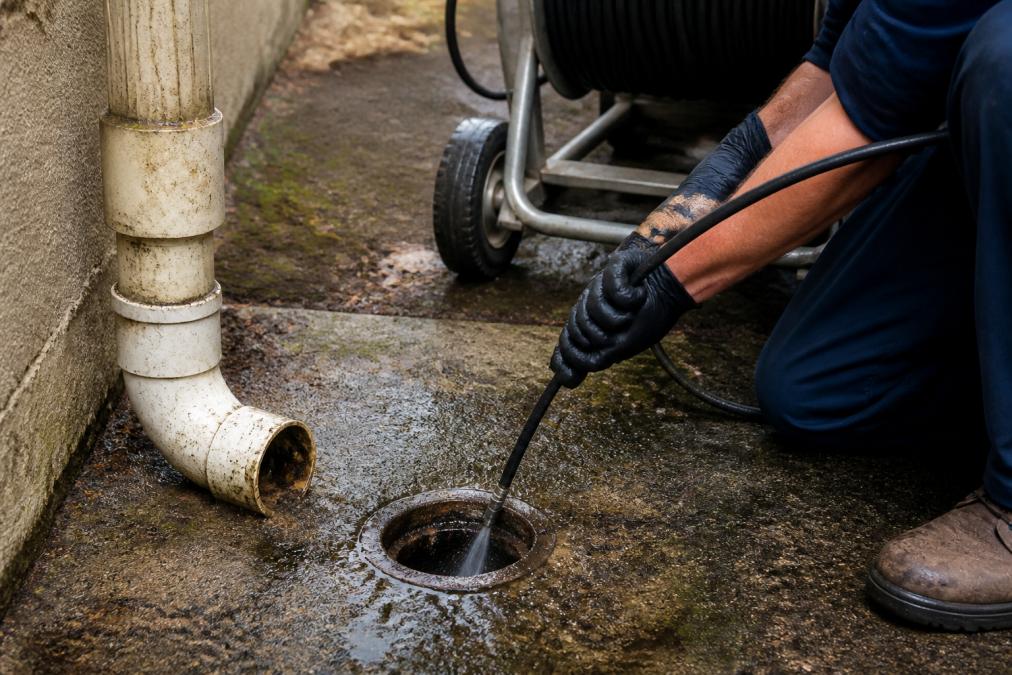
Hydro-jetting is the process of using high-pressure water streams to clear debris, grease, and root intrusions from inside sewer lines and drain pipes. Unlike mechanical snaking, which punches through blockages, hydro-jetting scours the entire interior wall of the pipe, removing buildup that accumulates over years of use. Understanding this distinction matters when deciding whether is hydro-jetting worth it for old pipes in your home.
The process works by inserting a specialized nozzle attached to a high-pressure hose into your drain or sewer line. Water is forced through at varying PSI settings, typically between 1,500 and 4,000 PSI depending on pipe material and the severity of buildup. The nozzle design allows water to spray in multiple directions, dislodging stubborn deposits from pipe walls while the pressure pushes debris downstream toward the main sewer line.
What makes hydro-jetting different from older methods is its thoroughness. A drain snake creates a path through a clog but leaves residue behind on the pipe walls. Hydro-jetting removes grease buildup, mineral scale, and debris that accumulate over decades, restoring the pipe's flow capacity. For newer homes with strong plumbing systems, this comprehensive cleaning often prevents recurring clogs for years.
For aging pipes, however, the same aggressive pressure that cleans can also cause damage. Old cast iron pipes, clay tile pipes, and corroded PVC may have thin walls or existing structural weaknesses invisible to the naked eye. This is where the decision becomes complicated.
Hydro-Jetting vs. Snaking: Which Method Is Right for Old Pipes
The choice between hydro-jetting and snaking isn't about which is "better", it's about which is safer and more appropriate for your specific situation. Professional sewer snaking uses a rotating mechanical cable with an auger head to break through blockages. It's less aggressive, lower cost, and carries minimal risk to fragile pipes.
Snaking works well for localized clogs: a single point of blockage caused by hair, soap buildup, or a small root intrusion. The cable punches through the obstruction, restoring water flow immediately. For old pipes, this gentler approach often makes sense because it avoids the risk of pressure-related damage.
The downside of snaking is incomplete cleaning. The auger clears the path but leaves residue on pipe walls. Within months or a year, grease and mineral deposits accumulate again, and you're back to slow drains or blockages. For homeowners willing to accept periodic maintenance, snaking is the safer choice for aging plumbing.
Hydro-jetting delivers a more thorough, long-term cleaning. It removes internal wall coatings and restores the pipe's original diameter, improving flow capacity significantly. For pipes in good structural condition, this translates to years of trouble-free drainage. The investment pays for itself through fewer service calls and reduced emergency repairs.
The critical question: Can your pipes handle it? Old cast iron, clay, and corroded PVC cannot. If your home was built before 1970 and you've never had a pipe inspection, snaking is the safer starting point. Get a video inspection first. If the pipes are structurally sound, hydro-jetting becomes a reasonable option.
Pipe Material Considerations: Cast Iron, PVC, and Clay
Your pipe material determines whether hydro-jetting is viable at all. This is the decision point most homeowners overlook.
Cast iron pipes were standard in homes built before the 1980s. They're durable when new, but decades of corrosion thin the walls. High-pressure water can puncture weakened sections, causing leaks or burst pipes that require trenchless repair or full replacement. Cast iron over 50 years old is especially vulnerable. If you have cast iron, a video inspection revealing wall thickness is essential before any high-pressure cleaning.
PVC pipes are more resistant to pressure damage than cast iron, but older PVC (installed before 1990) becomes brittle over time. Prolonged exposure to UV light, temperature fluctuations, and ground movement weakens the material. The same PSI that cleans a newer PVC pipe can crack an aging one. Modern PVC systems can typically handle hydro-jetting safely, but 30+ year old PVC requires caution.
Clay tile pipes are among the most fragile. Common in homes built in the early-to-mid 20th century, clay deteriorates unpredictably. Sections can be completely intact while others are cracked or partially collapsed. High-pressure water can shatter weak sections. Clay pipes almost always need a video inspection before any aggressive cleaning method is considered.
Beyond material, pipe wall thickness matters enormously. A video inspection reveals this. Pipes with thin walls, whether from corrosion, age, or manufacturing, cannot safely withstand hydro-jetting pressure. Pipes with good wall thickness can handle it. This is why the pre-jetting inspection isn't optional; it's the foundation of the decision.
Why a Sewer Camera Inspection Is Essential Before Hydro-Jetting
A video pipe inspection is a waterproof camera on a flexible cable that travels through your drain or sewer line, providing a high-resolution visual record of pipe condition. It identifies cracks, root intrusion, areas of corrosion, partial collapse, and wall thickness. For old pipes, this diagnostic step is the difference between a successful cleaning and a catastrophic failure.
Tap to easily schedule service today! →
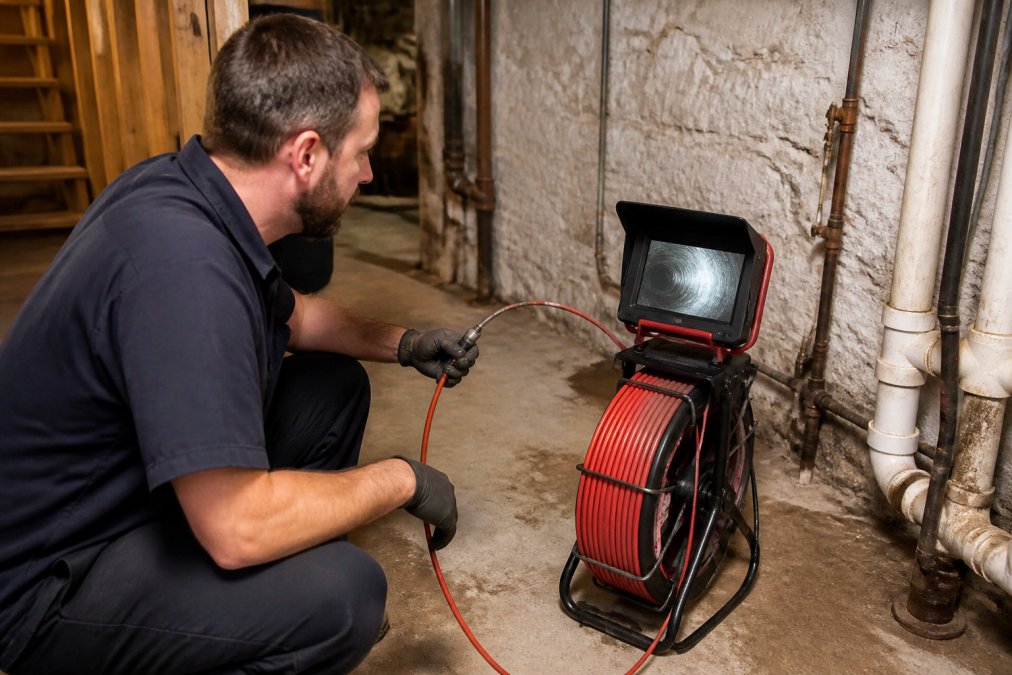
The inspection reveals whether your pipes can withstand hydro-jetting pressure. A skilled technician can assess wall integrity, spot existing damage, and recommend the appropriate cleaning method. For cast iron pipes with significant corrosion, the inspection might show that snaking alone is the safer choice. For structurally sound PVC or newer cast iron, hydro-jetting becomes viable.
Without this inspection, you're making a high-stakes decision blind. You might approve hydro-jetting on pipes that are one crack away from failure. Or you might reject hydro-jetting unnecessarily on pipes that are perfectly capable of handling it.
The inspection also documents baseline condition. If problems develop later, you have a record of what the pipes looked like before cleaning. This matters for insurance claims and liability if damage occurs during service.
Professional plumbers use this data to adjust pressure settings. Older pipes might be cleaned at 2,000 PSI instead of 3,500 PSI, reducing risk while still removing buildup. A technician who skips the inspection and uses standard pressure on unknown pipes is cutting corners, and potentially your plumbing budget.
Hydro-Jetting Cost and Long-Term Value for Aging Plumbing
The upfront cost of hydro-jetting depends on the length of pipe being cleaned, the severity of buildup, and whether a video inspection is included. For pricing details and a custom quote for your specific situation, contact Rich's Plumbing Heating & Air Conditioning directly.
What matters more than the initial price is long-term value. A thorough hydro-jetting on pipes in good condition can prevent recurring clogs for 5-10 years. You avoid repeated service calls, emergency repairs, and the inconvenience of backups. For homeowners in older homes who've experienced chronic slow drains, this extended relief justifies the investment.
Snaking costs less upfront but requires more frequent service. If you're snaking every 18-24 months to keep drains flowing, the cumulative cost over a decade approaches or exceeds a single quality hydro-jetting service. The calculation changes if your pipes are too fragile for jetting, then snaking becomes your only option, and you accept the maintenance schedule.
For aging pipes, the real cost question is: Can I afford the risk? Hydro-jetting on weakened pipes might save money short-term but cost thousands in emergency repairs if damage occurs. A video inspection removes this gamble. You know the condition, you make an informed choice, and you understand the long-term maintenance schedule your pipes actually need.
Risks of Hydro-Jetting on Aging Pipes: What Can Go Wrong
High-pressure water is effective precisely because it's forceful. That same force can damage pipes that aren't strong enough to withstand it. For old plumbing systems, the risks are real and specific.
Burst pipes are the most serious outcome. If a cast iron or clay pipe has a thin wall or existing crack, the pressure can rupture it completely. Water escapes into the soil around the pipe, causing foundation problems, sinkholes, or contamination. Repairing a burst sewer line often requires excavation or trenchless pipe lining, both expensive and disruptive.
Leaks at pipe joints occur when pressure forces water through connections that are already slightly compromised. Older pipes were sealed with lead, oakum, or cement, materials that degrade over decades.
When to Avoid Hydro-Jetting and What to Do Instead
Hydro-jetting is not the right solution for every drainage problem. For aging pipes with known structural issues, it should be avoided entirely.
Frequently Asked Questions
Is hydro-jetting safe for old cast iron and clay pipes?
Hydro-jetting can damage cast iron pipes with significant corrosion and brittle clay tile pipes. High-pressure water jetting relies on pipe wall integrity, older pipes often lack the structural strength to withstand the force. A video pipe inspection using a sewer camera is essential before attempting hydro-jetting on pipes over 30 years old. A licensed plumber can determine if your specific pipes are candidates or if snaking is the safer choice.
How much does hydro-jetting cost compared to snaking?
Hydro-jetting cost varies based on line length, blockage severity, and required pre-inspection. Professional snaking typically costs less upfront but may require repeat visits if buildup returns. Hydro-jetting provides longer-lasting results by removing grease, mineral scale, and root intrusion from the entire pipe diameter. For accurate pricing on your specific situation, contact a licensed plumber for a free estimate and sewer camera inspection.
How long do the results of hydro-jetting last on old pipes?
Hydro-jetting results typically last 3-5 years or longer, depending on pipe condition and what caused the original blockage. Root intrusion, grease buildup, and scale accumulation may return over time. Preventative maintenance and regular drain inspections extend the service life. On severely compromised old pipes, results may not last as long because underlying structural issues remain unaddressed.
What signs indicate my old pipes need professional drain cleaning?
Watch for slow drains, recurring clogs, sewage backups, gurgling sounds, or foul odors near drains. Multiple fixtures draining slowly suggests a main sewer line issue rather than a localized clog. Persistent problems after DIY attempts indicate buildup or structural damage requiring professional assessment. A sewer scope inspection identifies whether hydro-jetting, snaking, or trenchless repair is the appropriate solution.