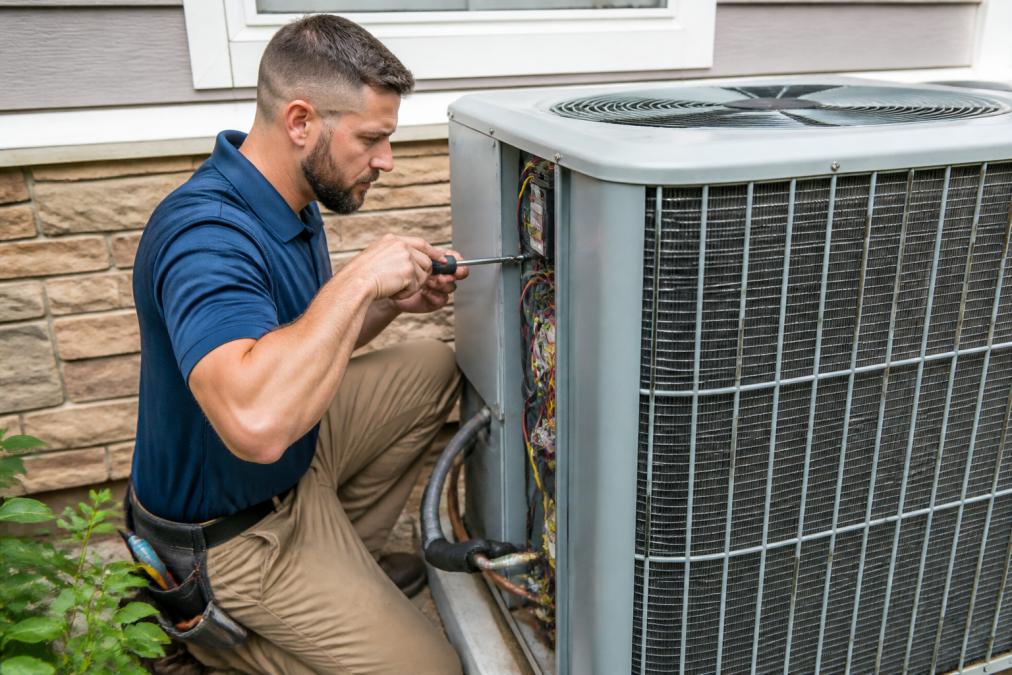
 ultimate-guide
Is HVAC Maintenance Worth It? Honest Cost Analysis
Table of Contents
- The Real Question: Is HVAC Maintenance Worth It?
- What a Professional HVAC Maintenance Visit Actually Includes
- How Often Should HVAC Be Serviced? A Schedule That Makes Sense
- HVAC Maintenance Checklist for Homeowners: What You Can Do Yourself
- The Financial Math: Maintenance vs. the Cost of HVAC System Replacement
- Warranty Implications and Climate-Specific Maintenance Needs
- Common Myths About HVAC Service Plans, Debunked
- Conclusion: Making the Call on Professional Maintenance
- Frequently Asked Questions
Last Updated: September 6, 2026
The Real Question: Is HVAC Maintenance Worth It?
Every spring and fall, homeowners face the same decision: pay for a professional tune-up or roll the dice. Is HVAC maintenance worth it is a fair question, especially when the system seems to be running fine. The honest answer is that routine care pays for itself through avoided breakdowns and lower utility bills, but only when you understand what you are paying for.
At Rich’s Plumbing Heating & Air Conditioning, we have spent over 30 years servicing heating and cooling systems across New Jersey. Systems that receive regular professional attention consistently outlast neglected ones. This guide breaks down what a maintenance visit includes, what you can handle yourself, and how to calculate whether the cost makes sense for your home.
HVAC maintenance is preventative care for one of the most expensive systems in your house. The alternative is often an emergency repair call at the worst possible time, carrying a premium for after-hours labor and rush diagnostics.
What a Professional HVAC Maintenance Visit Actually Includes
A professional HVAC maintenance visit is a systematic inspection and tune-up of your entire heating and cooling system. A trained technician checks refrigerant levels, calibrates the thermostat, inspects electrical connections, lubricates moving parts, and verifies airflow.
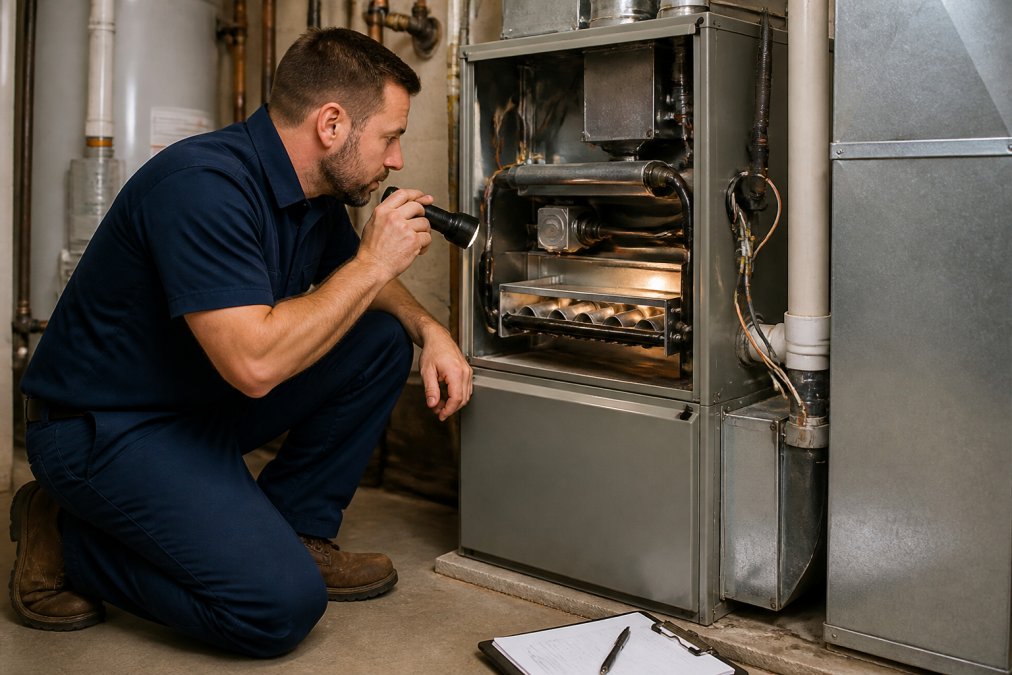
The specific tasks vary by season and system type, but a thorough visit covers several core areas: replacing or cleaning the air filter, inspecting condenser coils, checking the condensate drain for clogs, measuring temperature differentials, and testing safety controls.
What separates a genuine tune-up from a quick look is the diagnostic work. A good technician does not just clean parts; they look for signs of impending failure, such as worn belts, corroded electrical contacts, or abnormal compressor sounds. Catching these issues during a scheduled visit is far cheaper than discovering them during a heat wave or cold snap. The U.S. Department of Energy guidance on home cooling maintenance notes that regular maintenance tasks like cleaning filters and checking refrigerant levels directly affect how efficiently your system operates.
How Often Should HVAC Be Serviced? A Schedule That Makes Sense
Most manufacturers and HVAC professionals recommend servicing your system twice per year: once for the air conditioner in the spring and once for the furnace or heat pump in the fall. This cadence aligns maintenance with periods of heaviest use.
A maintenance schedule that makes sense for most homes looks like this:
| Season | System | Focus Areas | DIY Tasks |
|---|---|---|---|
| Spring | Air conditioner | Refrigerant levels, condenser coils, electrical connections | Replace filter, clear debris around outdoor unit |
| Fall | Furnace/heat pump | Burner assembly, heat exchanger, blower motor | Replace filter, check thermostat batteries |
| Year-round | Both | Thermostat calibration, airflow, duct leaks | Monthly filter checks, keep vents unblocked |
The twice-a-year rhythm works because systems sit idle for months at a time. When an air conditioner sits unused all winter, dust accumulates on the coils and seals can dry out. The first hot day of the year is exactly when a neglected system chooses to fail.
Homes in regions with extreme temperature swings may benefit from additional attention, but the twice-yearly baseline covers the majority of systems. If you have an older unit or one that runs nearly year-round, ask your technician whether a third check-up makes sense.
HVAC Maintenance Checklist for Homeowners: What You Can Do Yourself
Not every maintenance task requires a professional, and a solid hvac maintenance checklist for homeowners covers the simple, high-impact items that keep your system running between tune-ups. The most important DIY task is checking and replacing the air filter monthly during peak usage seasons.
A practical homeowner checklist includes several quick tasks: keep the area around the outdoor condenser unit clear of grass, leaves, and debris, maintaining at least two feet of clearance; inspect visible ductwork for gaps or disconnections; clean the condensate drain line if you can access it; and check that supply and return vents are not blocked.
These DIY tasks do not replace professional service, but they extend the life of your system between visits. The line between DIY and professional work comes down to safety and diagnostics. Refrigerant handling, electrical testing, and heat exchanger inspection require specialized training and tools.
The Financial Math: Maintenance vs. the Cost of HVAC System Replacement
The cost-benefit analysis for HVAC maintenance becomes clear when you compare routine service against the cost of major repairs or full system replacement. The cost of hvac system replacement runs into thousands of dollars for a new furnace or air conditioner, plus installation labor. A maintenance visit is a fraction of that figure.
The financial argument rests on three factors: breakdown prevention, energy efficiency, and system lifespan. A system that runs with clean coils, proper refrigerant charge, and calibrated controls uses less energy to deliver the same comfort. A neglected system wears out faster because components strain against dirt, friction, and improper operating pressures.
A well-maintained system can reasonably serve 15 to 20 years, while a neglected one often fails at the 10 to 12 year mark. The gap between those outcomes is several years of avoided replacement cost. When you spread the price of twice-yearly tune-ups across that extended lifespan, the maintenance cost is modest compared with the capital expense it defers.
Run the Numbers for Your Specific Situation
Rather than relying on averages, you can calculate whether a maintenance contract makes sense for your home. The math depends on three variables: your system's age, its efficiency rating, and your local labor rates.
Step 1: Estimate your system's remaining life. A well-maintained system typically lasts 15-20 years. A neglected one often fails at 10-12 years. If your system is already 12 years old and has never been serviced, the value of a long-term contract drops. If your system is 5 years old and you plan to stay for another decade, the math favors maintenance.
Step 2: Compare the cost of a service contract against the cost of a single repair. A typical preventive maintenance visit runs between $75 and $150, and a twice-yearly contract often costs $150-$300 per year. By contrast, a single emergency repair call, for a failed blower motor, a refrigerant leak, or a faulty igniter, typically runs $300-$800 including parts and labor. One avoided repair call pays for two to three years of routine maintenance.
Step 3: Factor in efficiency loss. The U.S. Department of Energy states that a dirty filter or neglected coils can increase energy consumption by up to 15%. On a typical annual heating and cooling bill of $1,200-$2,000, that inefficiency costs you $180-$300 per year. A $200 maintenance contract that restores efficiency can pay for itself before the technician leaves your driveway.
The Hidden Cost of Skipping Maintenance: Warranty Voidance
One financial factor that rarely appears in the maintenance debate is your manufacturer's warranty. Most major HVAC manufacturers, including Carrier, Trane, Lennox, and Rheem, require proof of regular professional maintenance to honor their parts warranties, which typically run 5 to 10 years on compressors and heat exchangers.
If a compressor fails in year six and you cannot produce service records showing annual tune-ups, the manufacturer can deny your claim. The replacement compressor alone costs $1,200-$2,500, plus labor. That single denied claim is more than the total cost of a decade of preventive maintenance.
This is not a technicality. Manufacturers design their warranties to exclude damage from improper maintenance, and they have the right to request documentation before approving a claim. Keeping a file of your maintenance invoices is the only way to protect your coverage.
Tap to easily schedule service today! →
For homeowners weighing the decision, a useful framework is to treat maintenance like an oil change for your car. You would not drive 20,000 miles without changing the oil and then complain when the engine seizes. Your HVAC system deserves the same logic.
Warranty Implications and Climate-Specific Maintenance Needs
One factor that tips the scale toward professional maintenance is the warranty on your equipment. Most manufacturer warranties require documented proof of regular professional service to remain valid. If a compressor fails in year eight and you cannot show annual tune-up records, the manufacturer can deny your claim, leaving you with the full replacement cost.
This warranty requirement is not a technicality. Manufacturers have a legitimate interest in ensuring their equipment operates within design parameters. A system that runs with low refrigerant or a dirty coil can fail from neglect rather than defect, and the warranty explicitly excludes damage from improper maintenance. Keeping service records is the only way to protect your coverage.
Climate also shapes maintenance needs. In regions with hot, humid summers, the air conditioner works harder and accumulates more stress on the compressor and condenser coils. Homes in colder climates depend heavily on the furnace, so the heat exchanger and burner assembly deserve extra scrutiny before winter. A local technician who understands your regional climate will prioritize the checks that matter most for your system.
The ENERGY STAR guidance on maintaining your HVAC system emphasizes that proper installation and maintenance are the two most important factors in achieving efficient operation. That guidance applies year-round, but the specific maintenance tasks shift with the seasons.
Common Myths About HVAC Service Plans, Debunked
Several misconceptions keep homeowners from scheduling regular maintenance. The first myth is that maintenance is unnecessary if the system is running fine. In reality, many developing problems do not produce obvious symptoms until they become emergencies. A system can lose efficiency gradually without the homeowner noticing the change in comfort or energy use.
Another common myth is that service plans are just a way for companies to sell unnecessary repairs. While that can happen with unscrupulous operators, a legitimate maintenance visit includes a written report of findings and recommendations. A trustworthy technician will tell you what is urgent, what can wait, and what is merely a suggestion. You are never obligated to approve work on the spot.
A third myth holds that newer systems do not need maintenance because they are more reliable. Modern systems are more efficient, but they are also more complex, with variable-speed motors, electronic controls, and advanced refrigerant circuits. That complexity means more components that can fail, not fewer. The Air Conditioning Contractors of America homeowner resources recommend regular professional maintenance for all systems regardless of age, precisely because modern equipment requires specialized knowledge to service correctly.
The Skeptic's Guide: When a Service Plan Is NOT Worth It
Community forums and homeowner threads are full of stories about wasted maintenance visits and pushy sales tactics. Some of that criticism is fair. A service plan is not worth the money in three specific situations:
1. Your system is near the end of its life. If your furnace or air conditioner is 15 years or older and you are already budgeting for replacement, a multi-year maintenance contract is a poor investment. Pay for a single diagnostic visit if you have concerns, but do not lock into a recurring contract for equipment you plan to replace.
2. The contract covers only labor, not parts. Some budget service plans charge $150-$200 per year but exclude replacement parts from any discount. Read the fine print. A plan that does not include a parts warranty or priority service may not justify its annual fee.
3. The company sends a different technician every visit. Maintenance is most valuable when the same technician sees your system year after year and can track gradual changes in performance. If the company rotates staff so you get a stranger each time, you lose that continuity.
What a Legitimate Service Plan Should Include
A service plan that is worth the money typically bundles several benefits beyond the twice-yearly tune-up. Look for plans that include a parts-and-labor warranty on covered repairs, a discount on any non-covered work, priority scheduling during peak seasons, and no overtime charges for emergency calls. These benefits shift the financial risk from you to the contractor.
A common pattern among reputable contractors is to offer a membership plan that pays for itself with a single avoided repair. If the plan costs $200 per year and includes a 15% discount on repairs plus priority service, the value is clear. If the plan costs $300 and offers only a basic tune-up with no repair discounts, you are better off paying per visit.
The Real Reason Homeowners Skip Maintenance
The most honest reason homeowners skip maintenance is not cost, it is the fear of being upsold. That fear is legitimate, but it is manageable. Before you schedule a visit, ask the company how they handle recommendations. A reputable contractor will provide a written report that separates urgent safety issues from recommended repairs and optional upgrades. You have the right to decline any work and get a second opinion.
The Better Business Bureau tips on choosing an HVAC contractor advise homeowners to verify licensing and insurance before hiring any contractor. That due diligence protects you from the minority of operators who use maintenance visits as a sales opportunity. The majority of HVAC companies are honest, and a maintenance visit from a licensed technician remains the most reliable way to protect your system.
Conclusion: Making the Call on Professional Maintenance
The answer to whether HVAC maintenance is worth it comes down to your tolerance for risk and your budget horizon. If you prefer to handle problems as they arise and have savings set aside for a sudden replacement, skipping maintenance is a gamble you might win. But for most homeowners, the math favors routine professional care.
The decision becomes easier when you factor in warranty protection, energy savings, and the extended system lifespan that regular tune-ups deliver. A twice-yearly investment in professional service is one of the most effective ways to protect your comfort and your budget.
When you are ready to schedule service, Rich’s Plumbing Heating & Air Conditioning brings over 30 years of family-owned experience to every visit. Our licensed and insured technicians provide thorough maintenance backed by a 100% satisfaction guarantee, with emergency services available when you need them most. Tap to easily schedule service today and give your HVAC system the care it needs to run reliably for years to come.
Frequently Asked Questions
Is HVAC maintenance really necessary, or is it a money grab?
HVAC maintenance is necessary, but not every service contract is a good deal. The core question is whether the annual tune-up cost is less than the risk of an unexpected breakdown. Regular maintenance catches small issues like dirty coils or low refrigerant before they cause compressor failure, which can cost thousands to repair. Skipping maintenance also voids most manufacturer warranties. If you are handy, some tasks are DIY, but a professional inspection of electrical components and refrigerant charge is worth the cost for most homeowners.
What is the $5000 rule for HVAC systems?
The $5,000 rule is a common guideline contractors use to advise on HVAC system replacement. If the cost of a major repair is more than $5,000, or roughly 50% or more of the price of a new system, replacement is usually the smarter financial choice. For example, if a compressor replacement quote is $3,500 and a new system costs $8,000, repairing might make sense. If the quote is closer to $5,000, putting that money toward a new, more efficient system is often better.
What does a standard HVAC tune-up include?
A standard HVAC tune-up should include a thorough inspection and cleaning of key components. Technicians typically check and clean the condenser coils and evaporator coils, verify refrigerant levels, test thermostat calibration, inspect electrical connections, and lubricate moving parts. They also check airflow, inspect the condensate drain for clogs, and measure system performance. A good technician will also provide a detailed report of the system's condition and flag any potential issues before they become emergency repairs.
Will regular maintenance really lower my energy bills?
Yes, regular maintenance directly impacts your utility bills. A dirty air filter or clogged condenser coil forces your system to work harder to move the same amount of air, increasing energy consumption. When a technician cleans these components and verifies refrigerant levels, your system runs closer to its designed efficiency. Many homeowners see a noticeable drop in monthly cooling and heating costs after a proper tune-up, as the system no longer has to run as long to reach the set temperature.