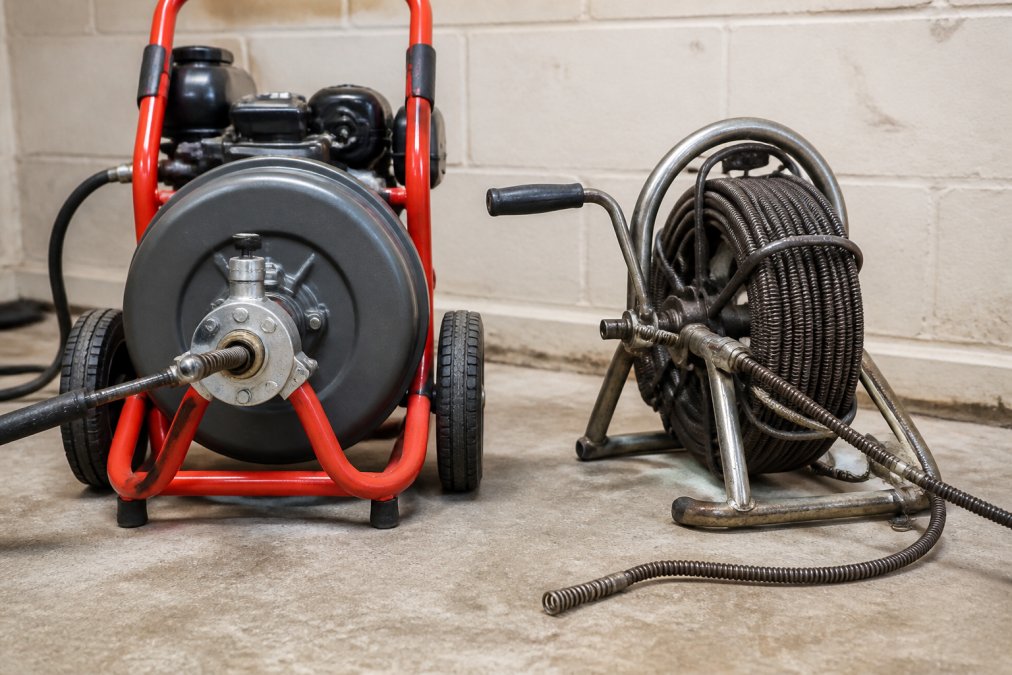
 comparison
Hydro-Jetting vs Snaking: Which Clears Drains Better
Table of Contents
- What Is a Plumbing Snake and How Does It Work
- What Is Hydro-Jetting and How Does It Work
- Hydro-Jetting vs Snaking: Key Differences
- Cost of Hydro-Jetting vs Snaking: What to Expect
- Signs of a Main Sewer Line Clog and When Each Method Works
- Professional Sewer Camera Inspection: Choosing the Right Solution
- Pipe Material Compatibility and Long-Term Maintenance
- Frequently Asked Questions
Last Updated: September 18, 2026
What Is a Plumbing Snake and How Does It Work
A plumbing snake, also called a drain auger, is a mechanical tool that breaks through drain blockages by rotating a cable through the pipe. The cable punches, cuts, or hooks debris to clear the obstruction, advancing deeper into the drain line until it hits the clog.
Snaking works best for soft obstructions like hair, soap scum, and grease in secondary drain lines. The rotating cable creates a hole through the blockage, restoring water flow immediately, but doesn't clean the full pipe wall or remove buildup that clings to the sides.
Professional plumbers use motorized machines like the RIDGID K-400 Drum Machine for isolated blockages in residential lines. For homeowners dealing with a sudden clog in a single drain, snaking is the fastest and most practical solution.
What Is Hydro-Jetting and How Does It Work
Hydro-jetting uses high-pressure water streams (1,500-4,000 PSI) to scour the entire interior surface of pipes. Unlike snaking, which creates a hole through the blockage, hydro-jetting cleans the full pipe diameter by blasting away grease, sludge, mineral scale, and tree root intrusion.
A professional inserts a specialized nozzle into the drain line, spraying water in multiple directions at extreme pressure to scrub pipe walls and flush debris downstream. This removes both the immediate clog and accumulated buildup that causes future blockages.
Hydro-jetting is particularly effective for main sewer lines and recurring drain problems. Because it cleans the entire pipe wall, it delivers longer-lasting results. Equipment like MyTana Hydro Jetters offers nozzle attachments designed for different clog types.
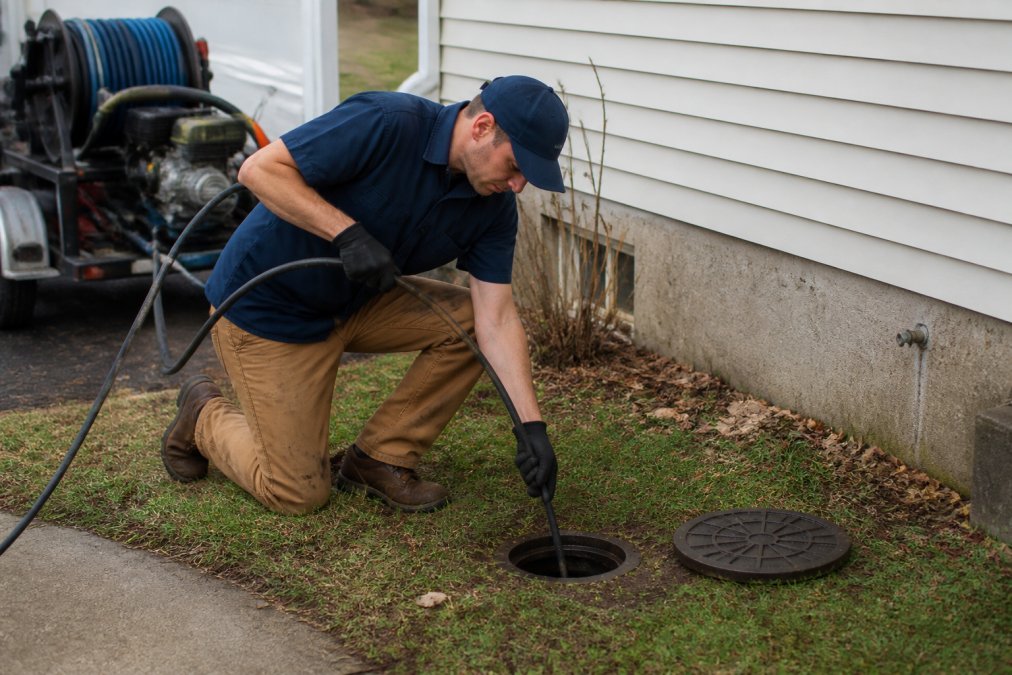
Hydro-jetting requires professional operation; excessive pressure or improper technique can damage older or fragile pipes, particularly clay, cast iron, or deteriorated PVC. Professional assessment before hydro-jetting is essential.
Hydro-Jetting vs Snaking: Key Differences
The core difference between hydro-jetting and snaking is scope: snaking creates a passage through the blockage, while hydro-jetting cleans the entire pipe interior.
Here's where each method excels:
| Aspect | Snaking | Hydro-Jetting |
|---|---|---|
| Mechanism | Rotating cable punches through clog | High-pressure water scours pipe walls |
| Best For | Single drains, soft blockages | Main sewer lines, recurring clogs |
| Pipe Wall Cleaning | Partial (creates hole only) | Complete (full diameter cleaned) |
| Tree Root Removal | Minimal effectiveness | Highly effective |
| Grease Buildup | Breaks through but leaves residue | Removes accumulated deposits |
| Long-Term Results | May require repeat service | Longer-lasting solution |
| Pipe Risk | Low risk for most materials | Higher risk for old/fragile pipes |
| Speed | Quick (30-60 minutes) | Longer process (1-2 hours) |
Snaking addresses immediate problems fast, a plumber can clear a backed-up sink within an hour. But if drains slow down every few months, snaking won't fully remove the buildup; hydro-jetting prevents the cycle.
Hydro-jetting prevents future blockages by completely removing tree roots, grease, and mineral scale rather than temporarily pushing them aside. The trade-off is higher cost, longer service time, and the need for professional expertise to avoid pipe damage.
Cost of Hydro-Jetting vs Snaking: What to Expect
Pricing varies based on clog severity, pipe diameter, and blockage depth. However, consider the total cost of ownership, including the risk of choosing the wrong method.
Professional Snaking Costs
Snaking typically costs $150-$400 for a residential drain line, or $300-$600 for a main sewer line. The service takes 30-60 minutes, making it the most affordable immediate solution for a sudden clog.
Professional Hydro-Jetting Costs
Hydro-jetting costs $400-$1,200 for residential lines, or $1,500-$2,500 for main sewer lines. The higher cost reflects specialized equipment and longer service time (1-3 hours), but eliminates buildup that causes future blockages for years.
The Hidden Cost of DIY Rental Equipment
Homeowners sometimes rent drain augers or pressure washers for $40-$100 per day to save money. This carries serious risks: rental snakes lack safety features and can puncture pipes or lodge in drains; rental pressure washers can rupture pipes or spray water dangerously.
A single mistake with rental equipment costs $2,000-$10,000 in repairs. Professional plumbers carry liability insurance and assess pipe condition before applying pressure, a critical safety step renters skip.
The Real Cost Question: Short-Term vs. Long-Term
Snaking clears the immediate blockage but may leave buildup that causes problems again within 3-6 months. Over a year, repeat snaking can cost $600-$1,600 for multiple visits to address the same underlying issue.
Hydro-jetting costs more initially but solves the root cause. A single service removes grease, sludge, mineral scale, and tree roots completely. Many homeowners don't need another service for 2-3 years, making hydro-jetting more cost-effective over time for recurring problems.
Cost-Effectiveness by Situation
Tap to easily schedule service today! →
- Single clogged drain (first occurrence): Snaking is the right choice. Cost is low, service is fast, and the problem may not recur.
- Main sewer line clog or recurring secondary drains: Hydro-jetting is more cost-effective long-term, even though the upfront cost is higher.
- Aging pipes or pipes with known corrosion: Snaking is safer and may be the only appropriate option, even if it requires repeat service.
- New construction or modern PVC pipes in good condition: Hydro-jetting provides maximum benefit and lowest long-term cost.
Getting an Accurate Estimate
Professional plumbers provide estimates based on a sewer camera inspection, which reveals clog type, pipe condition, and the appropriate method. A camera inspection costs $150-$300 but provides information to choose the right method the first time, avoiding wasted money on ineffective services.
Signs of a Main Sewer Line Clog and When Each Method Works
A main sewer line clog affects your entire drainage system. Signs include multiple drains backing up simultaneously, sewage smell in your yard, wet patches in your lawn, or gurgling sounds. These symptoms demand immediate attention to prevent raw sewage backup into your home.
Snaking can clear a main sewer line clog if the obstruction is soft or recent. However, main line clogs often involve tree roots, compacted sludge, or mineral scale, which resist mechanical snaking and may return within weeks.
Hydro-jetting is far more effective for main sewer line clogs because it addresses the root cause: tree roots get severed and flushed away, grease and sludge get scoured from walls, and mineral deposits wash downstream, resulting in a clean pipe with restored flow capacity.
For main sewer lines, hydro-jetting is the method that actually solves the problem rather than temporarily masking it. If a professional sewer camera inspection reveals tree roots, grease accumulation, or mineral scale in your main line, hydro-jetting is the recommended approach.
Professional Sewer Camera Inspection: Choosing the Right Solution
A professional sewer camera inspection reveals exactly what's causing the blockage. A small camera travels through your drain line and displays real-time video showing whether the clog is debris, tree roots, grease buildup, or pipe damage.
Camera inspection determines which method will work. A simple hair clog in a secondary line calls for snaking; tree roots or thick grease coating calls for hydro-jetting. Without this information, you risk paying for an ineffective service.
Many homeowners skip the camera inspection to save money upfront, then pay for repeat service calls. The inspection costs less than either cleaning method but ensures the right choice the first time.
A professional sewer camera inspection can assess your drainage system and help recommend whether snaking or hydro-jetting is appropriate for your situation. This diagnostic approach ensures the service you choose actually addresses the underlying problem.
Pipe Material Compatibility and Long-Term Maintenance
Pipe material determines whether hydro-jetting is safe for your home. Different materials respond differently to mechanical snaking and high-pressure water, and choosing the wrong method can cause expensive damage.
Clay and Asbestos Cement Pipes (Pre-1970s homes)
Clay pipes, common in homes built before the 1960s, are extremely fragile. Hydro-jetting at 1,500+ PSI can crack or shatter clay sections; snaking is generally safer. Many older homes also contain asbestos cement pipes, which can deteriorate under high-pressure water and release fibers. Professional assessment is mandatory for pre-1970s plumbing systems.
Cast Iron Pipes (1920s-1980s)
Cast iron corrodes from the inside out, creating thin walls and internal pitting. Pipes older than 40 years often have significant corrosion.
PVC Pipes (1970s-Present)
Identifying Your Pipe Material
Preventative Maintenance by Pipe Type
Frequently Asked Questions
How expensive is hydro-jetting compared to snaking?
Hydro-jetting generally costs more upfront than snaking because it requires specialized equipment and professional operation. However, hydro-jetting often provides longer-lasting results by cleaning the entire pipe wall rather than just punching through the blockage. Snaking is typically the more affordable initial option for simple clogs. For accurate pricing, contact a licensed plumber who can assess your specific situation and provide a free estimate.
Can hydro-jetting damage older PVC or clay pipes?
Yes, hydro-jetting can damage older or fragile pipes if not performed correctly. Clay pipes and brittle PVC are particularly vulnerable to high-pressure water damage. This is why professional assessment is critical before choosing hydro-jetting. A sewer camera inspection can reveal pipe condition and material, allowing your plumber to adjust pressure settings or recommend snaking instead. Always have a licensed professional evaluate your pipes first.
What are the main advantages of snaking for drain blockages?
Snaking is effective for breaking through soft obstructions like grease accumulation, soap scum, and debris. It's less expensive than hydro-jetting, works on most pipe materials, and is ideal for isolated clogs in secondary drain lines like sinks and showers. However, snaking only punches a hole through the clog rather than cleaning the entire pipe wall, so buildup may return more quickly than with hydro-jetting.
How do I know if my drain needs hydro-jetting versus snaking?
A professional sewer camera inspection is the best way to determine which method suits your situation. Hydro-jetting works best for main sewer line clogs caused by mineral scale, grease buildup, or tree root intrusion where long-term cleaning is needed. Snaking is better for simple blockages in secondary lines or when pipe condition is uncertain. Your plumber can recommend the right approach after inspecting your drainage system.