 ultimate-guide
HVAC Repair Service: Complete Guide
Table of Contents
- What You Need to Know About HVAC Repair Service
- Signs of HVAC Failure: When to Call for Help
- Emergency HVAC Repair Services and Response Times
- HVAC Maintenance Checklist for Year-Round Performance
- Understanding the Cost of HVAC System Replacement
- Choosing a Licensed HVAC Contractor You Can Trust
- How to Avoid Common HVAC Repair Mistakes
- Frequently Asked Questions
Last Updated: August 25, 2026
What You Need to Know About HVAC Repair Service
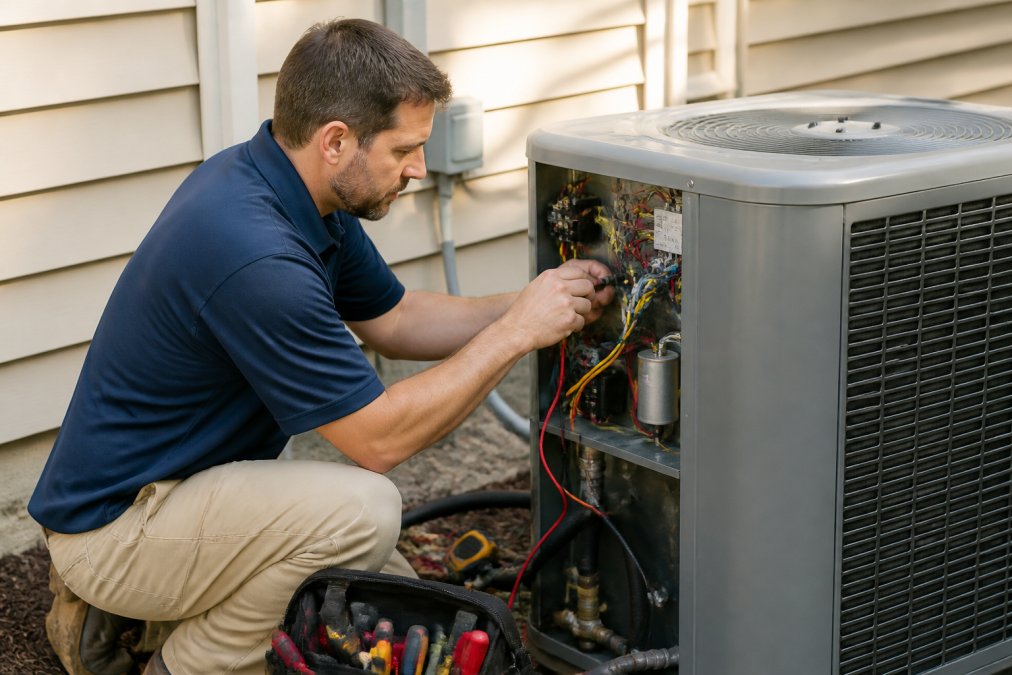
When your heating or cooling system fails, you're not just uncomfortable, you're facing a problem that demands immediate attention. An HVAC repair service addresses everything from emergency breakdowns to routine maintenance that keeps your system running efficiently year-round. At Rich's Plumbing Heating & Air Conditioning, we've spent over 30 years helping homeowners understand what separates a quick fix from a lasting solution.
The difference between calling for help early and waiting until a system completely fails often comes down to recognizing warning signs. Most homeowners treat HVAC systems like appliances that work until they don't, but that approach costs thousands in emergency repairs and replacement expenses. A licensed HVAC contractor can diagnose problems before they spiral into catastrophic failures.
This guide covers everything you need to know about HVAC repair service, from recognizing when something's wrong to choosing a contractor you can actually trust. We'll walk through the most common issues, explain what emergency response really means, and show you how preventative maintenance saves money over time.
Signs of HVAC Failure: When to Call for Help
Your heating and cooling system sends signals long before it stops working entirely. Recognizing these signs is the difference between a minor repair and a complete system replacement.
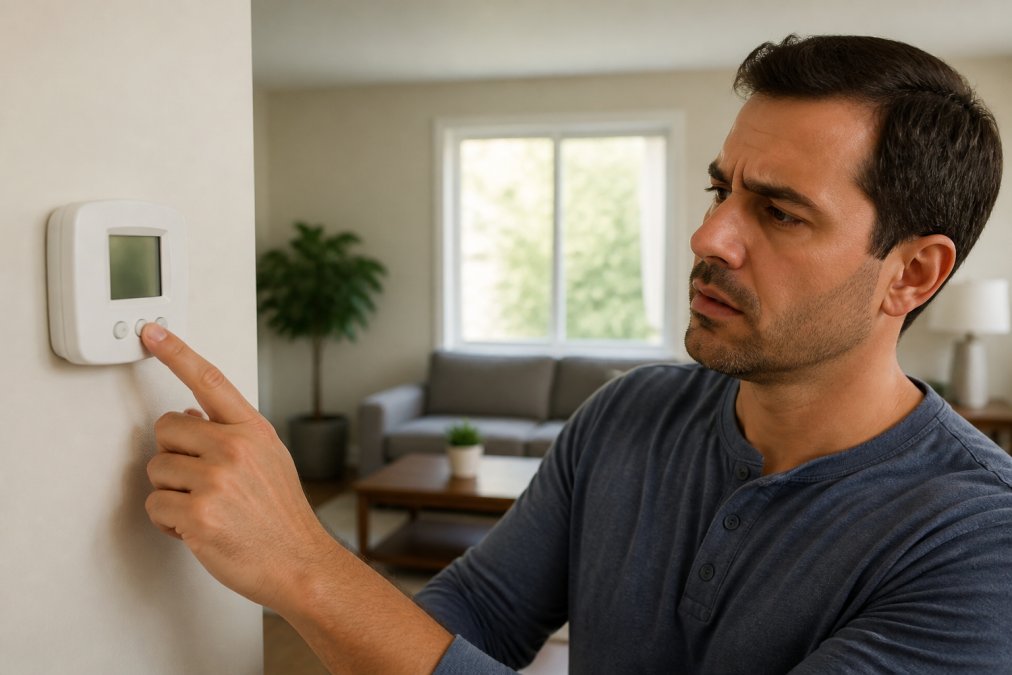
Uneven temperatures across your home are one of the earliest warning signs. If upstairs bedrooms stay cold while downstairs stays warm, or if certain rooms never reach your set temperature, the problem usually traces back to ductwork issues, thermostat calibration problems, or failing compressors in your air conditioning system. This isn't a comfort issue, it's a sign your system is working harder than it should, wearing components out faster.
Strange noises from your furnace or outdoor unit signal mechanical problems. A grinding sound typically means bearings are failing. Rattling indicates loose components or debris in ductwork. Hissing from your air conditioning system often means refrigerant is leaking. These sounds don't resolve on their own; they get worse until the system fails completely.
Higher energy bills without increased usage reveal efficiency problems. When your HVAC system has to run longer to reach your set temperature, it consumes more power. This happens when filters are clogged, refrigerant levels are low, or internal components are wearing out. Catching this early through an HVAC inspection can identify the root cause before your system fails entirely.
Weak airflow from vents suggests blockages or failing blowers. If you're not feeling strong air coming from your registers, your system is either struggling to push air through clogged filters or the blower motor is deteriorating. This puts stress on other components and reduces system lifespan.
Visible leaks or moisture around your furnace or air handler indicate refrigerant loss or condensation drainage problems. Any pooling water or staining around your equipment needs immediate attention from a licensed HVAC technician.
Emergency HVAC Repair Services and Response Times
When your system fails, response time becomes everything. A 60-minute response time isn't just marketing, it's a commitment that separates professional HVAC repair service from companies that leave you without heat or cooling for hours.
Emergency breakdowns happen outside normal business hours. Your furnace fails at midnight in January. Your air conditioning quits at 2 PM on a 95-degree day. Professional HVAC contractors maintain 24/7 availability specifically because these failures don't wait for business hours.
The difference between a true emergency service and a standard repair call shows up in how quickly a licensed technician arrives at your home. Many companies claim fast response times but deliver inconsistently. Rich's Plumbing Heating & Air Conditioning guarantees a 60-minute response window because we understand that every minute without heat or cooling increases damage risk and discomfort.
What happens during an emergency visit depends on the problem. A refrigerant leak in your air conditioning system might require a same-day recharge. A failing furnace blower motor might need replacement. A thermostat malfunction might be a simple recalibration. A licensed HVAC technician diagnoses the issue, explains your options, and provides a clear estimate before proceeding with repairs.
Emergency service costs more than routine maintenance calls, but it's the cost of availability and speed. You're paying for technicians on call, vehicles stocked with parts, and the ability to respond immediately. Comparing emergency repair pricing across contractors often shows less difference than expected, the real value lies in actually getting someone to your home when you need them.
HVAC Maintenance Checklist for Year-Round Performance
Preventative maintenance is where HVAC repair service saves you the most money. A seasonal tune-up catches problems before they become emergencies and extends your system's lifespan significantly.
Spring maintenance (before cooling season) focuses on air conditioning preparation. Replace or clean your air filter, a clogged filter reduces efficiency and strains your system. Have a licensed technician inspect your outdoor air conditioning unit for debris, check refrigerant levels, clean condenser coils, and test the thermostat. This visit prevents most summer breakdowns.
Fall maintenance (before heating season) prepares your furnace for heavy use. Replace your furnace filter, have your heating system inspected for cracks or corrosion, check all electrical connections, test your thermostat accuracy, and ensure your blower motor operates smoothly. A professional HVAC inspection identifies worn components before they fail during cold weather.
Monthly tasks include checking your thermostat settings, visually inspecting your furnace and air handler for obvious problems, and listening for unusual noises. These quick checks help you catch problems early.
Quarterly filter changes keep your system running efficiently. A clogged filter forces your HVAC system to work harder, consuming more energy and wearing components faster.
| Maintenance Task | Frequency | Best Timing | Impact |
|---|---|---|---|
| Air filter replacement | Monthly or quarterly | Start of season | Improves efficiency 5-15% |
| Professional furnace tune-up | Annually | Fall | Prevents winter failures |
| Professional AC tune-up | Annually | Spring | Prevents summer failures |
| Thermostat calibration check | Annually | During seasonal tune-up | Ensures accurate temperature control |
| Ductwork inspection | Every 2-3 years | During maintenance visit | Identifies leaks reducing efficiency |
| Refrigerant level check | Annually | Spring AC service | Maintains cooling capacity |
Professional maintenance plans through your HVAC contractor often cost less than individual service calls while guaranteeing priority scheduling and discounted repair rates. These memberships typically include seasonal tune-ups, priority emergency response, and parts discounts.
Understanding the Cost of HVAC System Replacement
Replacing an entire HVAC system represents a significant investment, and understanding what drives replacement costs helps you make informed decisions.
When replacement becomes necessary depends on several factors: system age, repair frequency, and efficiency ratings. Most furnaces last 15-20 years before efficiency declines significantly (energy.gov). Air conditioning systems typically run 15-20 years before major repairs become frequent (energy.gov). If your system is approaching these ages and requiring multiple repairs annually, replacement often makes more financial sense than continued repairs.
The total cost includes multiple components. Your furnace or heat pump, air conditioning condenser, evaporator coil, thermostat, and ductwork all factor into the final price. Labor for installation, permit fees, and removal of old equipment add to the total. A licensed HVAC contractor provides a detailed estimate breaking down each component and labor cost.
Energy efficiency ratings affect both cost and long-term savings. Newer HVAC systems with higher SEER ratings (for cooling) and AFUE ratings (for heating) consume less energy, reducing your monthly utility bills (energy.gov). The upfront cost difference between a standard-efficiency system and a high-efficiency system is often recovered through energy savings within 5-10 years.
Financing options make replacement more accessible. Many HVAC contractors offer payment plans or financing through third-party lenders. These options allow you to spread costs over time rather than paying everything upfront.
Getting multiple estimates from licensed contractors helps you compare pricing and understand what's included in each quote. A free estimate from an HVAC repair service should include equipment specifications, labor costs, and warranty details.
Tap to easily schedule service today! →
Choosing a Licensed HVAC Contractor You Can Trust
Finding a reliable HVAC contractor requires more than checking online reviews. You're inviting someone into your home to work on systems critical to your family's comfort and safety.
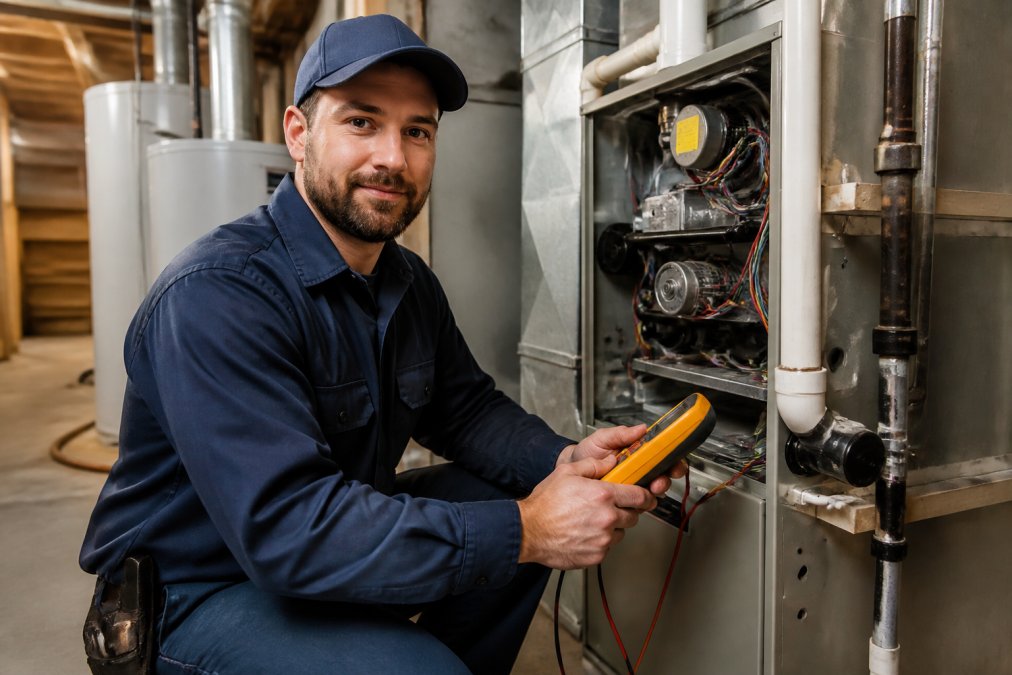
Licensing and bonding protect you legally. A licensed HVAC contractor has passed certification exams, maintains current training, and carries liability insurance. Bonding protects you if the contractor fails to complete work or damages your property. Before hiring anyone, verify their license through your state's licensing board and confirm their bonding status. In New Jersey, HVACR contractors are licensed by the New Jersey State Board of Examiners of Heating, Ventilating, Air Conditioning and Refrigeration Contractors.
Experience matters more than you might think. A contractor with 10 years in the business has encountered more problem variations than someone with 2 years. Experience teaches technicians how to diagnose issues quickly and identify problems that less-experienced contractors miss. Rich's Plumbing Heating & Air Conditioning's 30 years serving New Jersey communities means our team has handled virtually every HVAC scenario.
Satisfaction guarantees reflect contractor confidence. If a company offers a 100% satisfaction guarantee on their work, they're confident in their technicians' quality. This protection matters if something goes wrong after the repair.
Response time commitments separate reliable contractors from others. A 60-minute response guarantee during emergencies shows the contractor has resources and organization to back up that promise. Contractors without guaranteed response times often leave you waiting hours.
Free estimates before work begins let you compare options without obligation. Any reputable HVAC contractor provides detailed written estimates showing equipment, labor, and total cost.
References and reviews from local customers provide insight into real experiences. Online reviews tell part of the story, but asking for references from recent customers reveals how contractors handle problems and whether they follow through on commitments.
How to Avoid Common HVAC Repair Mistakes
Understanding what goes wrong helps you make better decisions about your heating and cooling system.
Ignoring small problems until they become emergencies is the costliest mistake. A small refrigerant leak in your air conditioning system becomes a complete compressor failure if ignored. A minor furnace noise becomes a seized blower motor. Early intervention through professional HVAC inspection prevents these escalations.
Choosing price over quality when hiring contractors leads to problems. The cheapest estimate often reflects corners cut somewhere, cheaper parts, less experienced technicians, or limited warranty coverage. Your HVAC system runs for 15-20 years; the difference between a low-cost repair and a quality repair compounds over time.
Neglecting filter changes forces your entire HVAC system to work harder. A clogged filter reduces airflow, increases energy consumption, and accelerates wear on components. This single maintenance task costs dollars but prevents hundreds in premature repairs.
Attempting DIY repairs on complex systems creates safety and warranty risks. Refrigerant handling requires EPA certification. Electrical work on furnaces or air conditioning units requires proper training. Improper repairs void manufacturer warranties and create safety hazards. Licensed HVAC technicians have the training and tools for safe, code-compliant repairs.
Misunderstanding thermostat settings leads to inefficiency. Setting your thermostat too high in summer or too low in winter forces your HVAC system to work harder than necessary. Programmable thermostats that adjust temperatures based on your schedule reduce energy consumption without sacrificing comfort.
Postponing maintenance until your system fails costs more than scheduled preventative service. A seasonal tune-up prevents emergency repairs. The math is straightforward, maintenance saves money.
Assuming all HVAC contractors are equivalent ignores the real differences in training, experience, and service quality. Your HVAC system is too important to trust to the first contractor who answers the phone.
Your HVAC system keeps your home comfortable year-round, but only when it receives proper maintenance and timely repairs. Recognizing warning signs early, scheduling preventative maintenance, and choosing a licensed contractor with guaranteed response times protects your investment and your family's comfort. Rich's Plumbing Heating & Air Conditioning has spent over 30 years building trust through fast response times, licensed technicians, and a 100% satisfaction guarantee. When you need HVAC repair service you can depend on, our 60-minute response commitment and free estimates make scheduling service simple. Tap to easily schedule service today!
=== FAQ ANSWERS (audit these too, same rules) ===
[1] Q: What is the $5,000 rule for HVAC repairs? A: The $5,000 rule is a guideline suggesting that if your HVAC system repair cost exceeds 50% of what a replacement would cost, replacement may be more economical. For example, if a replacement costs $10,000 and a repair costs $5,000 or more, investing in a new system often makes better financial sense long-term. However, this varies based on your system's age, efficiency, and remaining lifespan. A licensed HVAC contractor can help evaluate whether repair or replacement is right for your situation.
[2] Q: How often should I schedule HVAC maintenance? A: Most manufacturers recommend HVAC maintenance at least twice yearly: a heating system tune-up in fall before winter and an air conditioning tune-up in spring before summer. Regular maintenance includes checking refrigerant levels, inspecting electrical connections, cleaning coils, and replacing filters. Preventative maintenance helps catch problems early, improves energy efficiency, and extends your system's lifespan. Licensed technicians can identify issues before they become costly emergencies.
[3] Q: Is it worth fixing a 20-year-old AC unit? A: Most air conditioning systems last 15-20 years. If your unit is at or beyond this age, repair costs often mount quickly, and replacement may be more practical. Older units are also less energy-efficient, meaning higher utility bills. Consider the cost of HVAC system replacement versus ongoing repairs. If repairs exceed 50% of replacement cost, or if your system fails frequently, replacement typically offers better value. Discuss your options with a licensed HVAC contractor to make an informed decision.
[4] Q: How do I verify that an HVAC contractor is licensed and insured? A: Ask for proof of licensing, bonding, and insurance before hiring. Licensed professionals hold state certifications and understand local codes and regulations. Bonding protects you financially if work isn't completed properly. Insurance coverage protects you if damage occurs during service. Reputable contractors like those family-owned and operating for decades will readily provide documentation. Check online reviews and ask for references. Verify credentials directly with your state's licensing board if needed to ensure you're working with a qualified professional. In New Jersey, you can verify an HVACR contractor's license through the New Jersey Division of Consumer Affairs online portal.
Frequently Asked Questions
What is the $5,000 rule for HVAC repairs?
The $5,000 rule is a guideline suggesting that if your HVAC system repair cost exceeds 50% of what a replacement would cost, replacement may be more economical. For example, if a replacement costs $10,000 and a repair costs $5,000 or more, investing in a new system often makes better financial sense long-term. However, this varies based on your system's age, efficiency, and remaining lifespan. A licensed HVAC contractor can help evaluate whether repair or replacement is right for your situation.
How often should I schedule HVAC maintenance?
Most manufacturers recommend HVAC maintenance at least twice yearly: a heating system tune-up in fall before winter and an air conditioning tune-up in spring before summer. Regular maintenance includes checking refrigerant levels, inspecting electrical connections, cleaning coils, and replacing filters. Preventative maintenance helps catch problems early, improves energy efficiency, and extends your system's lifespan. Licensed technicians can identify issues before they become costly emergencies.
Is it worth fixing a 20-year-old AC unit?
Most air conditioning systems last 15-20 years. If your unit is at or beyond this age, repair costs often mount quickly, and replacement may be more practical. Older units are also less energy-efficient, meaning higher utility bills. Consider the cost of HVAC system replacement versus ongoing repairs. If repairs exceed 50% of replacement cost, or if your system fails frequently, replacement typically offers better value. Discuss your options with a licensed HVAC contractor to make an informed decision.
How do I verify that an HVAC contractor is licensed and insured?
Ask for proof of licensing, bonding, and insurance before hiring. Licensed professionals hold state certifications and understand local codes and regulations. Bonding protects you financially if work isn't completed properly. Insurance coverage protects you if damage occurs during service. Reputable contractors like those family-owned and operating for decades will readily provide documentation. Check online reviews and ask for references. Verify credentials directly with your state's licensing board if needed to ensure you're working with a qualified professional. In New Jersey, you can verify an HVACR contractor's license through the New Jersey Division of Consumer Affairs online portal.