 ultimate-guide
HVAC in NJ: Complete Service Guide for Homeowners
Table of Contents
- What HVAC Services Are Available in New Jersey
- Emergency HVAC Services and Response Times
- Signs of HVAC Failure: When to Call a Professional
- HVAC Maintenance Checklist for Year-Round Comfort
- HVAC System Installation Cost in New Jersey
- Choosing Licensed, Bonded Contractors for Your HVAC Needs
- HVAC Rebates and Tax Incentives Available to Homeowners
- Frequently Asked Questions
Last Updated: October 1, 2026
What HVAC Services Are Available in New Jersey
HVAC in NJ includes routine maintenance, emergency repairs, system installations, and specialized diagnostics to keep homes comfortable year-round.
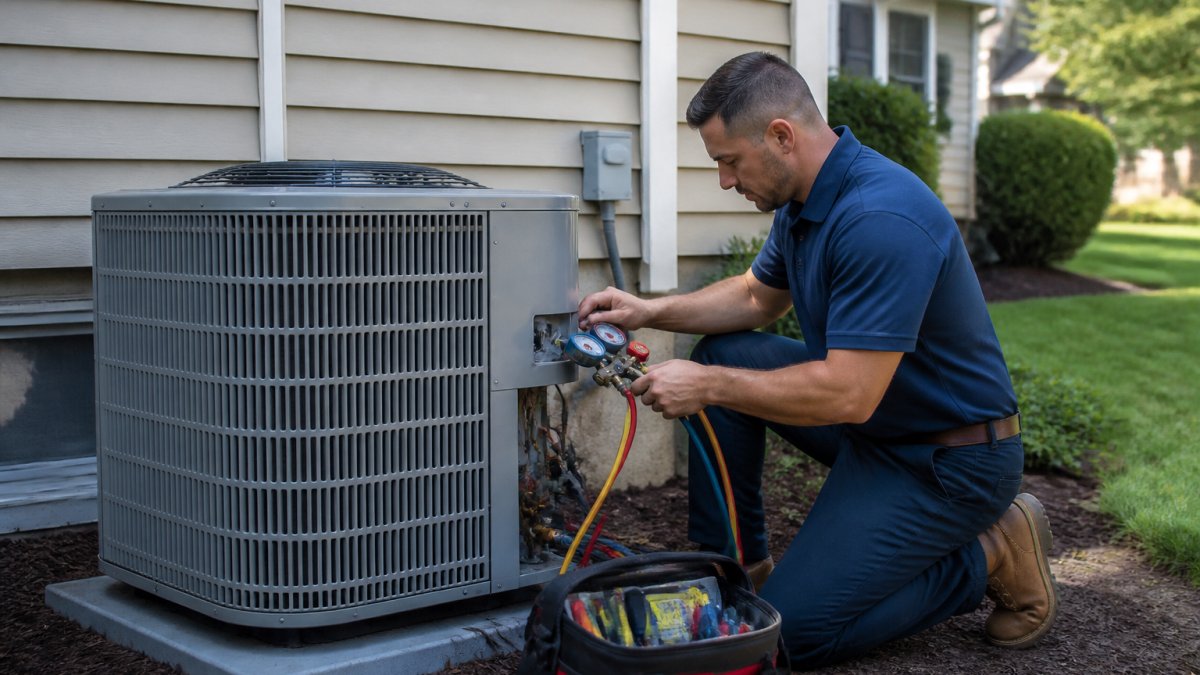
Residential HVAC services include furnace repair and maintenance, air conditioning installation and repair, heat pump systems, ductwork cleaning, thermostat replacement, and indoor air quality improvements.
New Jersey's climate demands both reliable heating in winter and efficient cooling in summer, making year-round maintenance critical and emergency services valuable during extreme temperatures.
Emergency HVAC Services and Response Times
When heating or cooling systems fail during extreme weather, fast response time is critical. Rich's Plumbing Heating & Air Conditioning offers a 60-minute response time for emergency calls.
Most licensed contractors maintain 24/7 emergency availability, with response speed directly impacting comfort and safety for vulnerable household members.
When calling for emergency service, describe your system's symptoms clearly, no heat, no cooling, or unusual noises, so dispatchers can prioritize and technicians arrive prepared with necessary parts.
Emergency calls cost more due to after-hours availability, but preventative maintenance reduces emergency calls significantly.
Signs of HVAC Failure: When to Call a Professional
Early warning signs include uneven heating or cooling, unusual noises, reduced airflow, higher energy bills, and strange odors, all warrant professional inspection.
Uneven temperatures often stem from blocked vents, leaking ducts, or failing zone control systems; professional inspection identifies the root cause.
Unusual sounds indicate mechanical wear and often lead to complete breakdown within weeks; early diagnosis prevents emergency repairs during peak seasons.
Rising energy bills suggest declining efficiency from dirty filters, refrigerant leaks, or worn compressors; a certified technician can measure performance and recommend upgrades.
| Warning Sign | Likely Cause | Recommended Action |
|---|---|---|
| No heat or cool air | Compressor failure, refrigerant leak, or electrical issue | Call immediately for diagnosis |
| Uneven temperatures | Ductwork blockage, thermostat malfunction, or zoning problem | Schedule inspection within 24 hours |
| Unusual noises | Bearing wear, belt issues, or loose components | Professional evaluation needed |
| Higher bills | Declining efficiency, dirty filters, or refrigerant loss | Efficiency audit recommended |
| Strange odors | Mold, electrical burning, or refrigerant leak | Emergency service if chemical smell |
HVAC Maintenance Checklist for Year-Round Comfort
Preventative maintenance extends system life and prevents emergencies. A structured maintenance calendar ensures critical tasks are never missed.
January-February: Winter Peak Season Check furnace filters weekly and replace if dirty. Verify thermostat accuracy and inspect visible ductwork for leaks. Ensure all vents are open and unblocked. Schedule a professional furnace inspection to check burners, heat exchangers, and safety controls.
March-April: Spring Transition Schedule a professional AC tune-up to check refrigerant levels, inspect the condenser coil, and clean evaporator coils. Replace furnace filters, clean return air vents, and reprogram thermostats for cooling season.
May-August: Cooling Season Replace AC filters every 30 days. Check the outdoor condenser monthly and remove debris, a clean condenser improves efficiency by 5-15%. Inspect window seals and test thermostat function. If cooling capacity drops, the system may need refrigerant or coil cleaning.
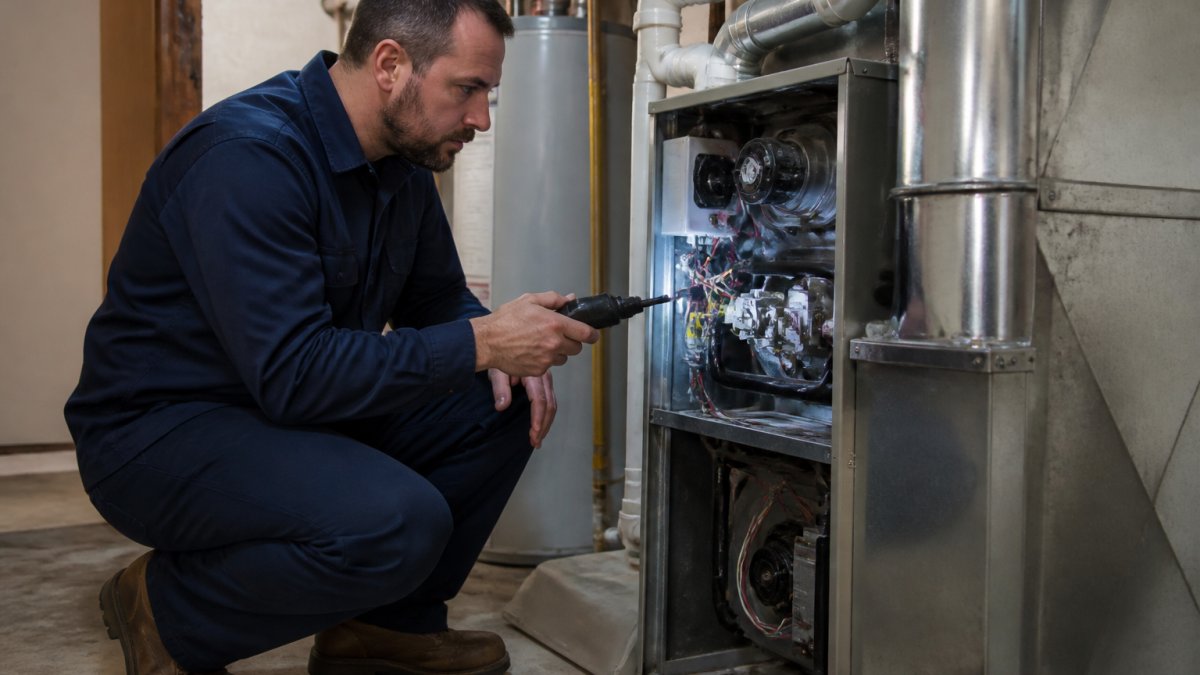
September-October: Fall Preparation Schedule a professional furnace inspection and cleaning before heating season peaks. Have a technician check the heat exchanger, verify ignition, and test safety controls. Replace filters, inspect ductwork, and reprogram thermostats for heating season.
Tap to easily schedule service today! →
November-December: Winter Preparation and Monitoring With heating season underway, maintain weekly filter checks and replace as needed. Verify your thermostat is set to your preferred winter temperature and that the system cycles on and off normally. Inspect visible ductwork for any new leaks or damage. If you have a humidifier attached to your furnace, clean or replace its filter and ensure it's adding appropriate moisture (30-50% relative humidity is ideal for comfort and health). Check that all vents and returns are unobstructed and that no furniture or curtains block airflow. If you notice any unusual noises, reduced heat output, or higher-than-normal energy bills, call for service immediately rather than waiting for a complete breakdown.
Year-Round Monthly Tasks
- Week 1: Visually inspect your air filter and note its condition.
- Week 2: Check your thermostat display for accuracy and clean the sensor with a soft, dry cloth.
- Week 3: Verify that all supply vents and return air grilles are unobstructed.
- Week 4: Review your energy bill for unusual increases that might signal declining system efficiency.
Annual Professional Maintenance Schedule
- Fall (September-October): Furnace inspection, cleaning, and safety testing before heating season.
- Spring (March-April): Air conditioning tune-up, refrigerant check, and coil cleaning before cooling season.
HVAC System Installation Cost in New Jersey
HVAC system installation represents a significant investment, and homeowners deserve transparent cost expectations before requesting quotes. While final pricing depends on your specific home and equipment choices, understanding typical cost ranges helps you budget and evaluate contractor estimates intelligently.
Furnace Installation and Replacement A mid-range furnace replacement in an existing home with current ductwork typically ranges from $3,500 to $6,500 for equipment and professional installation. High-efficiency models (95% AFUE or higher) cost more upfront but deliver 15-20% lower heating bills over the system's 15-20 year lifespan. Budget an additional $500-$1,500 if ductwork modifications or sealing are needed to optimize airflow.
Air Conditioning Installation Central AC system installation for a typical single-family home costs between $4,000 and $8,000 installed. This includes the outdoor condenser unit, indoor evaporator coil, refrigerant lines, and labor. Energy Star certified units command a 10-15% premium but reduce cooling costs significantly in summer months. Mini-split systems (ductless heat pumps) range from $3,000 to $10,000 depending on the number of zones and installation complexity, making them ideal for homes without existing ductwork or for room-by-room temperature control.
Heat Pump Systems Heat pump installations, which provide both heating and cooling, typically cost $5,000 to $10,000 installed. These systems are increasingly popular because they reduce reliance on traditional furnaces and qualify for federal tax credits under the Inflation Reduction Act. A homeowner upgrading from a furnace-plus-AC setup to a heat pump may see higher upfront costs offset by long-term energy savings and available incentives. Integrating these high-efficiency units into your property strategy helps stabilize annual home maintenance costs while ensuring year-round climate control.
Factors That Increase Installation Costs Multi-story homes requiring extended ductwork or additional equipment can add $1,000-$3,000 to installation labor. Homes requiring new ductwork installation (rather than using existing ducts) typically add $2,000-$5,000 depending on square footage and accessibility. Difficult attic access, crawl spaces, or basements with limited headroom increase labor time. Upgrading electrical service to support a new system adds $500-$2,000.
Labor and Service Call Costs Standard service calls for maintenance or diagnostics typically cost $100-$200 and take 1-2 hours. Emergency after-hours service calls (nights, weekends, holidays) run $150-$300 due to dispatch and availability premiums. Repair costs vary widely: a refrigerant recharge costs $200-$400, a capacitor replacement runs $150-$300, and a compressor replacement (the most expensive repair) can exceed $1,500-$2,500 depending on system size and type.
Maximizing Your Investment When comparing quotes, ensure each estimate includes equipment specifications, labor hours, warranty terms, and any required permits. The lowest bid doesn't always represent best value, contractors using quality equipment and offering solid warranties protect your investment better than discount providers. Many contractors offer financing options or payment plans that spread costs over 12-60 months, making upgrades more accessible. Federal tax credits and utility rebates can reduce net costs by 10-30% if you qualify, so research incentives before purchasing.
Choosing Licensed, Bonded Contractors for Your HVAC Needs
Selecting a qualified HVAC contractor directly impacts service quality and your peace of mind. Licensed contractors have demonstrated technical knowledge through certification exams and ongoing education. Bonded contractors carry financial protection that covers potential damages or incomplete work. Insured contractors protect both themselves and your property during service calls.
HVAC Rebates and Tax Incentives Available to Homeowners
Federal tax incentives and utility rebates can offset HVAC system costs for homeowners making energy-efficient upgrades. According to ENERGY STAR guidelines for residential heating and cooling, qualifying systems can reduce energy consumption significantly while earning rebate consideration.
Frequently Asked Questions
What are the signs that my HVAC system needs professional repair?
Watch for uneven heating or cooling throughout your home, unusual noises from your furnace or air conditioning unit, higher energy bills without increased usage, weak airflow from vents, or strange odors. If your system is over 10-15 years old, frequent breakdowns may signal that replacement is more cost-effective than ongoing repairs. A professional inspection can identify whether repair or replacement makes sense for your situation.
How often should I schedule HVAC maintenance in New Jersey?
Most manufacturers recommend annual maintenance, ideally a spring tune-up for air conditioning and a fall inspection for heating. Regular maintenance extends system life, improves energy efficiency, and catches small problems before they become expensive failures. A qualified technician will clean components, check refrigerant levels, inspect electrical connections, and verify your thermostat is working correctly.
What factors affect HVAC system installation cost in New Jersey?
Installation costs depend on your home's size, existing ductwork condition, system type (central air, heat pump, or mini-split), and local labor rates. A professional contractor will provide a free estimate after assessing your specific needs. Factors like energy efficiency ratings, brand, and any upgrades to your existing system also influence final pricing. Contact a licensed contractor for an accurate quote tailored to your home.
Are there HVAC rebates or tax incentives available to homeowners?
Yes. Federal tax credits are available for qualifying high-efficiency HVAC systems installed in your primary residence. Many utility companies also offer rebates for upgrading to Energy Star-certified equipment. Some states and municipalities provide additional incentives. A licensed contractor familiar with current programs can advise you on available rebates and help ensure your system qualifies. Check with your utility provider and the ENERGY STAR website for current offers.