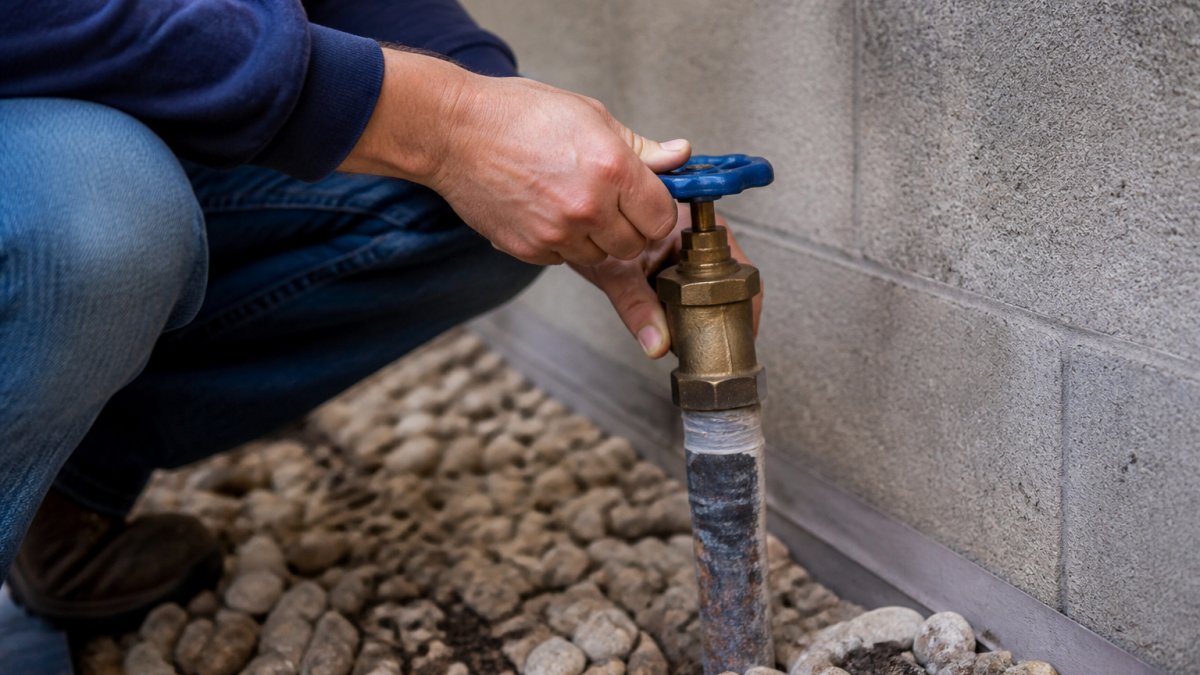
 how-to
How to Shut Off Main Water Valve: Step-by-Step
Table of Contents
- Why You Need to Know How to Shut Off Your Main Water Valve
- Locating Your Main Water Shutoff Valve
- Main Water Shutoff Valve Types and How to Identify Them
- Step-by-Step: How to Turn Off Your Water Supply
- What to Do When Your Water Shutoff Valve Won't Turn
- How to Drain Pipes After Turning Off Water
- Special Situations: Apartments, Condos, and Multi-Unit Buildings
- When to Call a Professional Plumber
- Frequently Asked Questions
Last Updated: September 28, 2026
Why You Need to Know How to Shut Off Your Main Water Valve
Knowing how to shut off main water valve is one of the most important skills any homeowner can have. A burst pipe or leaking water heater can cause thousands of dollars in damage in just hours, so you need to act fast.
Knowing how to shut off main water valve gives you control in a crisis, letting you stop water flow immediately and prevent catastrophic damage.
Locating Your Main Water Shutoff Valve
Your main water shutoff valve controls all the water entering your home. Most homes have it in one of two places: inside the house or outside at the curb.
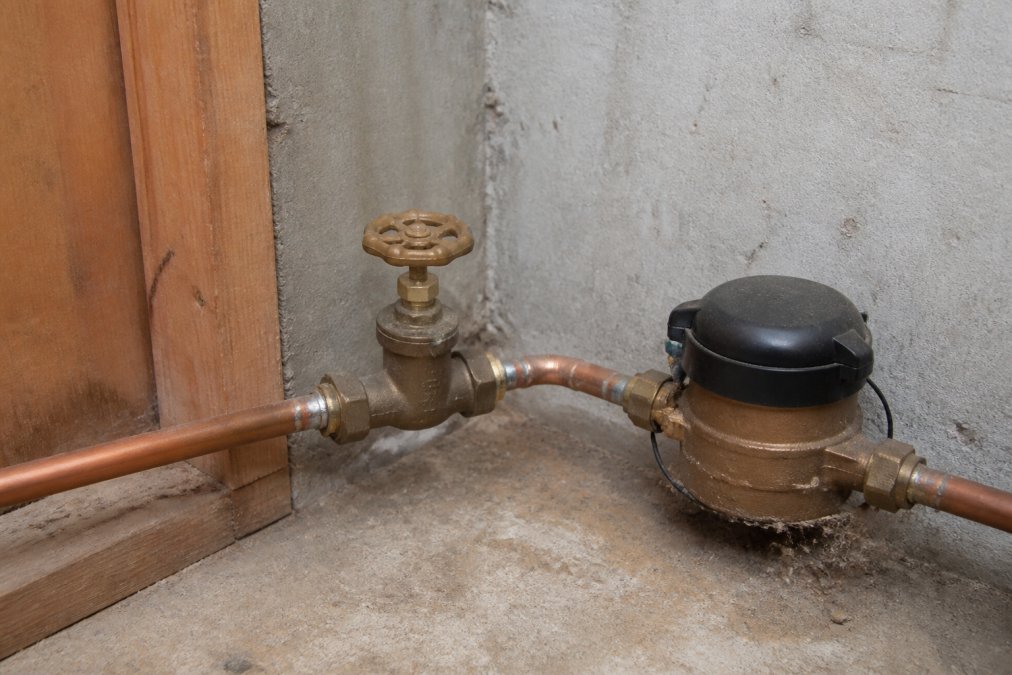
Common locations inside the house
The main shutoff valve is typically located where the water line enters your home. Check these spots first:
- Basement or crawl space - The most common location. Look along the foundation wall where the water line enters, usually near the water meter.
- Utility room - Some homes have the valve in a dedicated utility space alongside the water heater and furnace.
- Kitchen or bathroom - In smaller homes, the valve might be under a sink or in a cabinet near plumbing fixtures.
- Garage - If your home has a garage, check the wall closest to where water lines typically run.
- Attic or upper floor - Rare, but some homes have the shutoff valve on an upper level.
Look for a valve handle sticking out from a pipe along the wall. Trace the water line from where it enters your home; the main shutoff valve will be the first major valve you encounter.
Finding the curb stop outside
If you can't find the shutoff valve inside, it's located outside at the curb stop. Look for a small box or cover in your yard, usually near the street or property line, marked with the word "water" or a water symbol.
Main Water Shutoff Valve Types and How to Identify Them
Not all shutoff valves work the same way. Identifying which type you have helps you turn it off correctly and troubleshoot if it won't budge.
Gate valves
Gate valves are the most common type found in older homes. They have a round handle that you turn clockwise to close. They're reliable but prone to corrosion over time, especially if rarely used.
To identify a gate valve:
- Look for a round or oval handle
- The handle turns like a steering wheel
- It typically requires multiple full rotations to close completely
- The valve body is usually larger and more angular than other types
Ball valves
Ball valves have become the standard in newer homes. They have a lever-style handle that points in the direction of water flow. Turn the handle 90 degrees (a quarter turn) to stop the water. They're more reliable than gate valves and require only a quarter turn instead of multiple rotations.
To identify a ball valve:
- Look for a lever handle (like a light switch)
- The handle is perpendicular or parallel to the pipe
- A quarter turn closes the valve completely
- The valve body is more compact and rounded
Solenoid valves and automated systems
Some modern homes have solenoid valves or automated shutoff systems that close automatically during a leak. You can control them remotely through an app or voice command. However, you should still know where the manual shutoff valve is located in case the automated system fails.
Step-by-Step: How to Turn Off Your Water Supply
Once you've located your valve and identified the type, shutting off your water is straightforward. Follow these steps carefully.
Before you start: tools and safety precautions
Most people can shut off a valve with their bare hands, but gather these tools in case the valve is stuck: an adjustable wrench, penetrating oil, a cloth or rag, and a flashlight.
Turning the valve clockwise or counter-clockwise
For gate valves: Turn clockwise (right) to close. Keep turning until the handle stops; don't force it. Gate valves may require 5-10 full rotations.
Confirming the water is off
Go to an upstairs faucet and turn it on. If water comes out, your valve didn't close properly. Check that you turned the correct valve and that the handle is fully rotated or turned completely perpendicular. Once no water comes out, you've successfully shut off your main water supply.
Tap to easily schedule service today! →
What to Do When Your Water Shutoff Valve Won't Turn
A stuck valve is frustrating but common. Many homeowners panic when the valve won't budge. Before you call a plumber, try these safe methods.
Why valves seize and corrode
Shutoff valves that are rarely used often become stuck due to corrosion and mineral deposits. Gate valves are especially prone to this. Cold weather can also freeze water inside the valve, making it impossible to turn.
Safe methods to free a stuck valve
Never force a stuck valve. Spray penetrating oil around the valve handle and let it soak for 15-30 minutes. Gently tap the valve body with a rubber mallet 5-10 times. Try turning again with slow, steady pressure. If your hand isn't strong enough, use a wrench on the handle. If the valve still won't turn, call a licensed plumber.
How to Drain Pipes After Turning Off Water
After you shut off the main water valve, water remains in your pipes. Draining it is important if you're doing plumbing repairs or winterizing your home.
Opening faucets and drain valves
Start at the highest point in your home and work downward. Go to the highest bathroom or sink, turn on both hot and cold water, and leave them running until water stops flowing. Move to the next lowest faucet and repeat.
For the water heater:
- Locate the drain valve at the bottom of your water heater
- Place a bucket underneath
- Turn the valve counter-clockwise to open it
- Let water drain completely
- Turn the valve clockwise to close it
For the main drain valve:
- Find the lowest point in your plumbing system (usually in the basement)
- Look for a small valve at the end of the water line
- Attach a hose if available
- Open the valve to drain remaining water
Draining specific fixtures like the water heater
To drain your water heater: turn off the water supply and heater, wait 30 minutes for cooling, attach a hose to the drain valve, and open it slowly. Let it drain completely (30-60 minutes). Don't forget to turn off the heater first, hot water can cause burns. Draining all pipes prevents freezing damage in cold climates.
Special Situations: Apartments, Condos, and Multi-Unit Buildings
If you live in an apartment or condo, your situation is different from a single-family home. You may not have access to the main shutoff valve for the entire building.
When to Call a Professional Plumber
Knowing when to call a professional saves time and prevents damage. Some situations require expert help.
Call a plumber if:
- Your shutoff valve won't turn even after trying safe methods to free it
- Water continues flowing after you've closed the valve
- You can't locate your main shutoff valve
- The valve is leaking water around the handle
- You hear unusual sounds coming from the valve
- The valve body is cracked or visibly damaged
- You're unsure which valve is the main shutoff
Frequently Asked Questions
How do I stop the main water valve?
Locate your main water shutoff valve, typically in the basement, crawl space, or utility room near the water meter. Turn the valve handle clockwise (for gate valves) or a quarter-turn counter-clockwise (for ball valves). You should feel resistance. Once closed, open a faucet to confirm water has stopped flowing. If the valve won't budge, apply penetrating oil and wait 15 minutes before trying again.
What should I do if my main water valve is stuck?
A seized valve usually results from corrosion or mineral buildup. First, try gently tapping the valve handle with a rubber mallet to loosen it. Apply penetrating oil around the valve stem and let it sit for 15-30 minutes. Gently apply pressure without forcing, forcing a stuck valve can damage the shutoff mechanism. If it remains stuck after these steps, contact a professional plumber to avoid breaking the valve entirely.
Why is water still running when the valve is turned off?
Water may continue running if you turned off the wrong valve (check that you closed the main shutoff, not a branch valve), if the valve didn't close fully, or if corrosion prevents a complete seal. Turn the valve further clockwise if it's a gate valve. If water still runs after a full turn, the valve may need replacement. Open a faucet to verify the water pressure has dropped, a slow trickle is normal as remaining water drains from pipes.
How do I drain pipes after turning off the main water valve?
After shutting off the main valve, open the lowest faucets in your home (usually in the basement or kitchen) to let water drain by gravity. Open faucets on upper floors too to allow air into the pipes. If you need to drain the water heater or furnace, locate the drain valve at the base of each unit and attach a hose to direct water outside or into a bucket. This prevents water damage and allows you to work safely on your plumbing system.