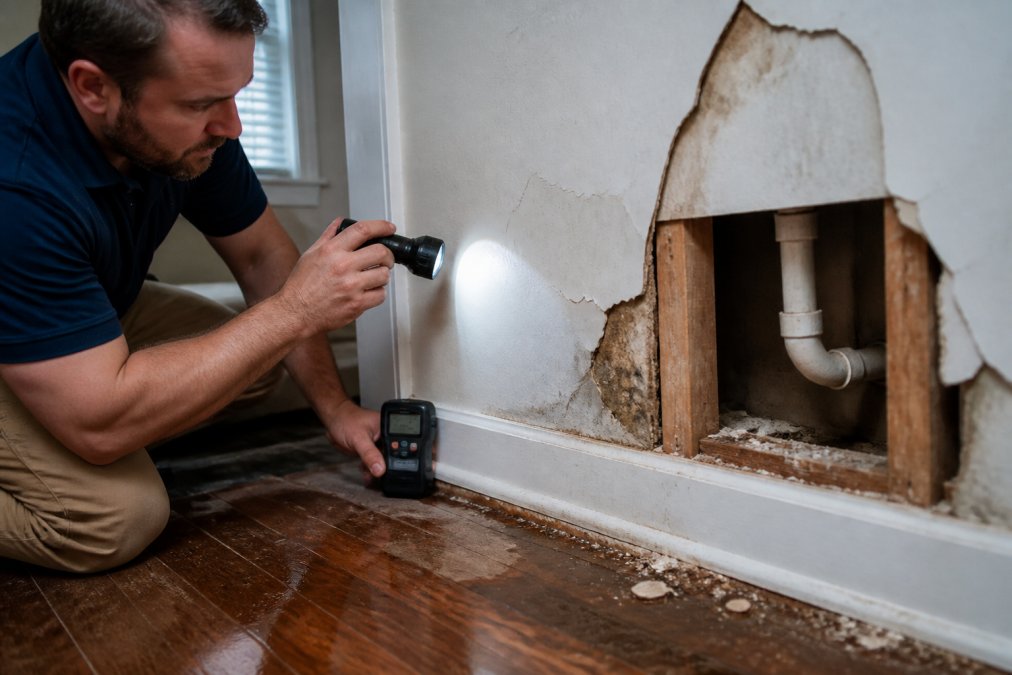
 how-to
How to Identify Hidden Water Leaks: A Step-by-Step Guide
Table of Contents
- Why Hidden Water Leaks Matter
- How to Use Your Water Meter to Check for Leaks
- Visual Signs of a Hidden Water Leak
- Water Leak Detection Tools for Homeowners
- Signs of a Slab Leak and Wall Leaks
- Inspecting Appliances and Plumbing Fixtures
- Safety Precautions for DIY Leak Investigation
- When to Call a Professional Plumber
- Frequently Asked Questions
Last Updated: August 22, 2026
Why Hidden Water Leaks Matter
Water leaks hidden inside walls, under floors, or behind appliances can cost homeowners thousands in repairs before discovery. Unlike visible burst pipes, hidden leaks work silently, damaging structural integrity, promoting mold growth, and inflating water bills. Early detection is the difference between a $500 repair and a $15,000 restoration project (fema.gov). With the right approach, homeowners can spot problems before they spiral out of control.
How to Use Your Water Meter to Check for Leaks
Your water meter is the single most reliable tool for detecting hidden water leaks. It measures every drop entering your home and never lies. If water moves through your pipes when nothing is running, you have a leak.
Reading Your Water Meter Correctly
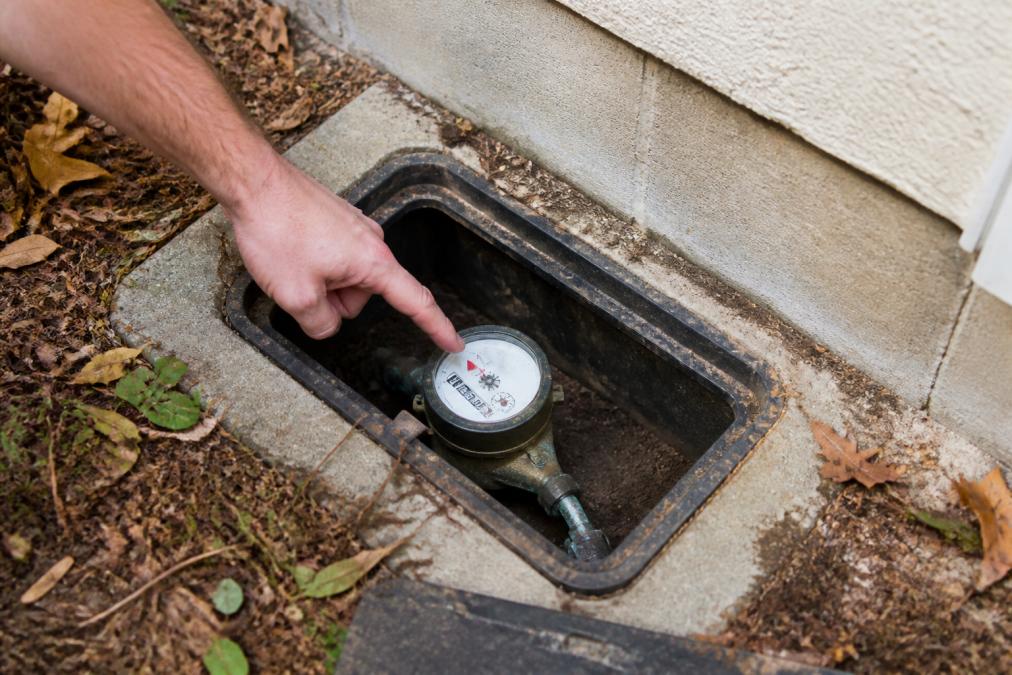
Locate your water meter, typically in a concrete box at the front of your property or near the main water shut-off valve inside your home. Open the box and note the current reading, writing down the numbers exactly as they appear. The meter face usually shows six digits; the last digit or two may represent fractional usage.
The Two-Hour Test
The two-hour test is the most straightforward way to identify hidden water leaks:
-
Turn off all water sources. Ensure no one uses water inside or outside the home, including toilets, showers, washing machines, dishwashers, sprinkler systems, and outdoor hoses.
-
Record your meter reading. Note the exact number displayed and take a photo for reference.
-
Wait two hours. Do not use any water during this period.
-
Check the meter again. If the number has changed, water has moved through your pipes, indicating a leak.
-
Interpret the results. No change means no active leak. Any increase, no matter how small, signals a problem needing investigation.
Visual Signs of a Hidden Water Leak
Not every hidden leak shows up on your meter immediately. Visual inspection catches problems your meter might miss.
Discoloration and Damp Patches
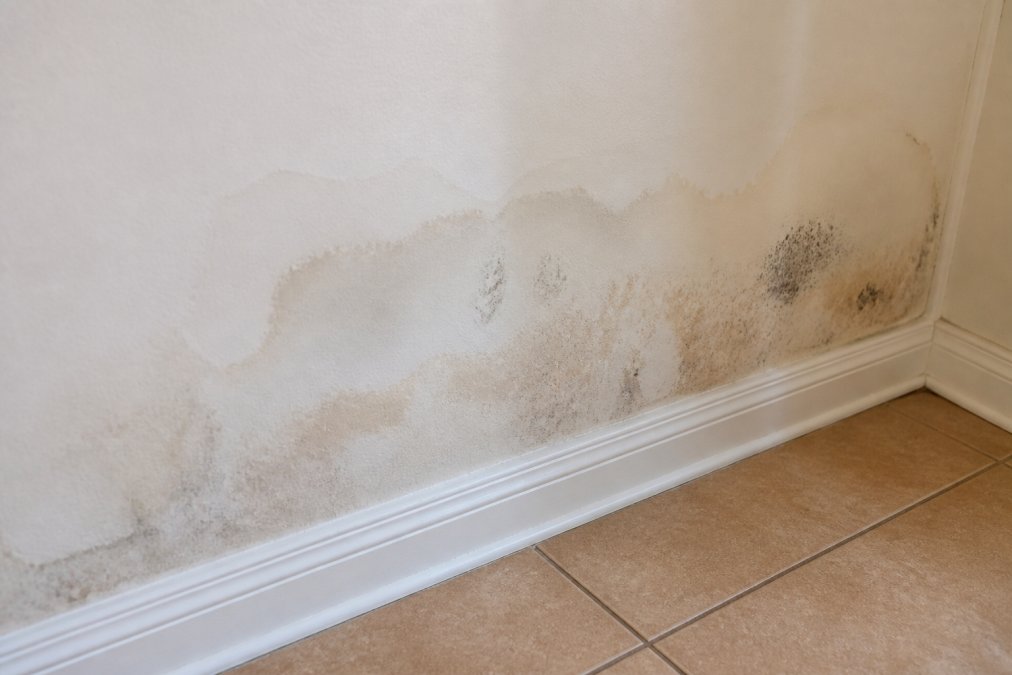
Water always leaves a trail. Look for discoloration on walls, ceilings, and floors in basements, crawl spaces, under sinks, and around water heater areas. Discoloration often appears as yellow, brown, or rust-colored stains spreading outward from a central point.
Damp patches feel cool to the touch and may appear darker than surrounding surfaces. Run your hand across suspect areas, paying special attention to where water pipes run: along exterior walls, under bathrooms, and near kitchen sink cabinets. Check foundation and basement walls for efflorescence, white chalky mineral deposits indicating water moving through concrete.
Musty Odors and Mold Growth
A persistent musty smell is a red flag. Mold and mildew thrive in damp environments, and their odor often precedes visible growth. Visible mold growth indicates sustained moisture and means water has been present long enough for biological growth to establish. Check inside cabinets under sinks and behind appliances, where enclosed spaces trap moisture.
Water Leak Detection Tools for Homeowners
Several affordable tools give homeowners reliable detection capabilities.
Dye Tablets for Toilet Tank Testing
Toilets are the most common source of hidden water leaks. A leaking toilet can waste thousands of gallons annually without notice (the EPA). Drop a dye tablet into the toilet tank (not the bowl). The dye dissolves and colors the water. Wait 10-15 minutes without flushing. If colored water appears in the bowl, the flapper valve or fill valve is leaking. Test every toilet in your home, especially older models.
Listening for Running Water
Close all doors and windows to minimize outside noise. Move through your home slowly, listening near walls, under sinks, and around appliances. A running toilet sounds like faint hissing or trickling. Use a stethoscope or place your ear against a water pipe to amplify sound. Listen at the main water shut-off valve and along visible pipe runs.
Thermal Imaging and Infrared Technology
Thermal imaging cameras detect temperature differences. Water flowing through pipes or escaping from leaks creates distinct thermal signatures. Consumer-grade infrared cameras cost between $200 and $500 and attach to smartphones (nist.gov). Scan walls and floors systematically; cooler spots indicate moisture presence.
Signs of a Slab Leak and Wall Leaks
Not all hidden leaks behave the same way. Slab leaks and wall leaks present distinct warning signs.
How Slab Leaks Differ from Wall Leaks
A slab leak occurs in water supply lines or drainage pipes running beneath a concrete foundation, damaging the foundation itself. A wall leak occurs in pipes or fixtures within wall cavities, saturating insulation and damaging drywall. Slab leaks damage the foundation; wall leaks damage the wall assembly and interior structure.
Tap to easily schedule service today! →
Recognizing Slab Leak Warning Signs
Slab leaks often announce themselves through foundation problems:
- Cracks in the foundation or slab that appear suddenly or widen rapidly
- Uneven flooring where sections have settled or shifted
- Warm spots on the floor near water heater or supply line runs
- Foundation movement detected by checking if doors and windows stick
- Unexplained bill increases with no corresponding increase in water usage
Avoid ignoring slab leaks; foundation damage accelerates once it begins.
Inspecting Appliances and Plumbing Fixtures
Many hidden leaks originate from appliances and fixtures rather than main water lines.
Water Heaters and Supply Lines
Check the base of your water heater tank for standing water or rust staining. Inspect both hot and cold supply lines connected to the tank for corrosion, pinhole leaks, or mineral deposits. Trace supply lines as they leave the water heater and check connection points where fittings loosen over time.
Washing Machines and Dishwashers
Inspect washing machine and dishwasher supply hoses every six months for bulges, cracks, or mineral deposits. If a hose appears compromised, replace it immediately. Check behind and underneath these appliances for standing water or dampness. Pull them out periodically to inspect the area behind them for water staining, mold growth, or soft spots in subflooring.
Safety Precautions for DIY Leak Investigation
Turn off power to areas you're inspecting. If investigating a basement or crawl space where water is present, turn off electrical circuits to that area at the breaker panel.
Wear protective gear. If you suspect mold, wear an N95 respirator mask and disposable gloves.
Watch for structural hazards. Wet insulation, soft drywall, and compromised subflooring can collapse. Don't put pressure on wet materials.
Avoid disturbing contaminated areas. If a leak involves sewage or gray water, do not investigate directly. Call a professional immediately.
Document everything with photos. Take pictures of discoloration, damp areas, and mold. This documentation helps a plumber diagnose faster and supports insurance claims.
Check your homeowner's insurance policy. Some policies cover water damage from sudden leaks but not gradual seepage.
When to Call a Professional Plumber
Call a professional plumber if:
- Your water meter test confirms a leak but you cannot locate the source
- You suspect a slab leak
- You discover mold growth or extensive water damage
- Drywall or subflooring feels soft or spongy
- Water pools in crawl spaces or basements
- Your water bill has increased significantly with no obvious explanation
Rich's Plumbing Heating & Air Conditioning specializes in hidden leak detection and repair. Our licensed professionals use acoustic detection equipment and thermal imaging to pinpoint leaks in walls, slabs, and underground supply lines. With a 60-minute response time and a 100% satisfaction guarantee, we provide fast diagnosis and expert repair. Call today for a free estimate.
Professional plumbers have access to equipment homeowners typically don't: acoustic leak detectors, moisture meters, and thermal imaging cameras. They can access areas you cannot safely investigate and perform repairs requiring specialized skills.
Hidden water leaks worsen with time. Water meter testing, visual inspection, dye tablets, and thermal imaging catch most leaks before they become catastrophic. When you've exhausted these approaches or suspect a serious problem, professional detection becomes the smart investment. Rich's Plumbing Heating & Air Conditioning offers expert leak detection backed by decades of experience. Don't let a hidden leak damage your home. Schedule a professional inspection today and get peace of mind with our satisfaction guarantee.
Frequently Asked Questions
Q: How can I tell if I have a hidden water leak?
A: Start by checking your water meter for movement when no water is running, looking for unexplained bill increases, and inspecting visible areas for discoloration, damp patches, or musty odors. Listen for running water sounds in walls or under floors. If these signs appear but you can't locate the source visually, the leak is likely hidden behind walls, under flooring, or in your slab foundation. Contact a professional plumber if DIY checks confirm a leak you cannot access.
Q: Can a water meter help me find a hidden leak?
A: Yes. Turn off all water-using appliances and fixtures, then check your water meter's flow indicator. If it moves or shows usage, you have an active leak. Note the meter reading, wait two hours without using water, then read it again. Any increase confirms a leak. This method identifies that a leak exists but not its location, you'll need additional detective work or professional equipment to pinpoint it.
Q: What are the signs of a slab leak in a house?
A: Slab leaks occur under your home's concrete foundation and show distinct warning signs: warm spots on the floor, unusually high water bills, water pooling in your yard, cracks in flooring or walls, and a constant sound of running water even when appliances are off. Slab leaks cause structural damage over time and require professional detection using acoustic detection or thermal imaging. Early identification prevents costly foundation repair.
Q: What water leak detection tools do homeowners need?
A: Essential tools include dye tablets for toilet tank testing, a stethoscope or listening device to detect acoustic signals from leaks, a moisture meter to identify damp areas, and a thermal imaging camera for detecting temperature differences from water seepage. A water meter inspection is free and often the first step. For pinhole leaks and slab leaks, professional acoustic detection and infrared cameras are more effective than DIY tools.