 listicle
How to Find Reliable HVAC: 7 Vetting Steps
Table of Contents
- How to Find Reliable HVAC: 7 Vetting Steps
- 1. Verify Licensing and Insurance Through Official Channels
- 2. Check Professional Certifications and Credentials
- 3. Review Online Ratings and Customer Testimonials
- 4. Confirm Better Business Bureau Accreditation
- 5. Ask the Right Questions to Assess Expertise
- 6. Recognize Red Flags and Avoid Predatory Contractors
- 7. Get Written Estimates and Compare Proposals
- How to Find Reliable HVAC Contractors in Your Area
- Frequently Asked Questions
Last Updated: September 2, 2026
How to Find Reliable HVAC: 7 Vetting Steps
Finding a reliable HVAC contractor can feel like searching for a needle in a haystack. You need someone who shows up on time, charges fairly, and actually solves your problem instead of creating new ones. At Rich's Plumbing Heating & Air Conditioning, we understand that homeowners need a straightforward way to separate trustworthy professionals from contractors who cut corners or overcharge. This guide walks you through seven concrete steps to find reliable HVAC contractors you can actually trust.
The stakes are real. A bad contractor can leave you with an improperly installed system that wastes energy, fails prematurely, or costs thousands more than necessary. A good one ensures your heating and cooling system runs efficiently for years. The difference often comes down to how thoroughly you vet before hiring.
1. Verify Licensing and Insurance Through Official Channels
The first filter is non-negotiable: your contractor must be licensed and insured. This isn't optional. A licensed HVAC contractor has passed exams, maintains continuing education, and is held accountable to state regulations. Insurance protects you if something goes wrong during the job.
Start by checking your state's licensing board. Most states maintain searchable databases of licensed contractors. Search by name or license number. Verify the license is current and in good standing. If the contractor can't provide a license number or it doesn't appear in the database, walk away immediately.
Ask for proof of general liability insurance and workers' compensation coverage. Request a copy of the certificate of insurance. Call the insurance company directly to confirm the policy is active, don't rely on a document the contractor hands you. Verify the coverage amounts are substantial enough to protect your home if something goes wrong.
Many states also require HVAC contractors to be bonded. A bond is a financial guarantee that the contractor will complete work according to contract terms. If they don't, the bond covers your losses. Ask whether bonding is required in your area and confirm your contractor carries it.
This step alone eliminates a huge percentage of problematic operators. Legitimate contractors expect these questions and have documentation ready.
2. Check Professional Certifications and Credentials
Licensing proves someone meets minimum standards. Certifications prove they've gone further. The HVAC industry has several respected credentials that signal genuine expertise.
NATE Certification: The Industry Gold Standard
NATE (North American Technician Excellence) certification is the gold standard in HVAC. It's a voluntary credential that requires passing rigorous exams covering installation, service, and system knowledge. A NATE-certified technician has demonstrated competency in their specific area, whether that's heat pumps, air conditioning, or heating systems.
NATE certification matters because it shows the technician invested time and money to prove their skills independently. It's not handed out easily. The exams are challenging, and technicians must recertify every five years, maintaining continuing education hours.
When you contact a contractor, ask which technicians hold NATE certification. Not every technician needs to be certified, but having at least one or two on staff signals the company takes quality seriously. You can verify NATE certification on the NATE website by searching their technician database.
ACCA Quality Assurance Accreditation
ACCA (Air Conditioning Contractors of America) offers the Quality Assured (QA) accreditation program (acca.org). This goes beyond individual technician credentials to evaluate the entire contractor's processes and quality standards.
ACCA-accredited contractors follow measurable standards for installation, service, and customer satisfaction. The accreditation requires contractors to document their work, use proper diagnostic procedures, and verify system performance. Quality Installation (QI) certificates verify that specific installations meet ACCA's performance standards.
Look for ACCA accreditation when comparing contractors. It's another signal that the company operates with documented quality processes, not just experience and intuition.
3. Review Online Ratings and Customer Testimonials
Online reviews give you unfiltered insight into how contractors actually treat customers. Read them carefully, but read them strategically.
Check multiple platforms: Google reviews, the Better Business Bureau, Yelp, and industry-specific sites. Look for patterns, not individual reviews. One bad review doesn't mean much. Three reviews mentioning the same problem, like missed appointments or incomplete work, tells you something real.
Pay attention to recent reviews. A contractor's service quality can change. A 4.8-star rating from reviews two years old matters less than current feedback. Read the actual review text, not just the star rating. A five-star review that just says "Great!" tells you nothing. A detailed review explaining what the contractor did well or poorly is valuable.
Watch for red flags in reviews: complaints about high-pressure sales tactics, vague estimates, technicians who seem inexperienced, or follow-up problems. Also notice what customers praise: punctuality, clear explanations, fair pricing, professionalism.
Testimonials on the contractor's own website are less reliable, they're curated. But they give you a sense of how the company presents itself. If their testimonials focus on sales and upselling rather than problem-solving, that's telling.
4. Confirm Better Business Bureau Accreditation
The Better Business Bureau (BBB) maintains business profiles and ratings (bbb.org). BBB accreditation isn't automatic; contractors must apply and meet standards. An A+ rating requires maintaining high standards and responding to complaints.
Check the BBB website and search for the contractor. Look at their rating and any complaints listed. The BBB shows how many complaints were filed and how the contractor responded. A contractor with zero complaints is rare, but one with many unresolved complaints is a warning sign.
BBB accreditation signals that a contractor is willing to be held accountable to a third party. It's not a perfect guarantee of quality, but it's another data point in your vetting process.
5. Ask the Right Questions to Assess Expertise
When you call or meet with a contractor, ask specific questions. Their answers reveal how knowledgeable and professional they are. Generic answers or deflections are red flags.
Technical and Service-Related Questions
Ask about the contractor's approach to diagnosing problems. A good contractor doesn't just replace parts; they test and verify. Ask: "How do you diagnose an air conditioning problem?" Listen for mentions of tools like ductwork testing, refrigerant charge verification, and airflow measurement. If they say "we just know from experience," that's weak.
Ask about their preventative maintenance approach. What does a maintenance visit include? Do they check refrigerant levels, test electrical connections, clean coils, and check airflow? A thorough answer shows they understand how systems actually work.
Ask about energy efficiency. If you're replacing an older system, ask how they'd approach selecting a replacement. Do they consider your home's insulation, ductwork condition, and actual heating/cooling needs? Or do they just recommend the biggest unit? Proper sizing requires load calculations, not guessing.
Tap to easily schedule service today! →
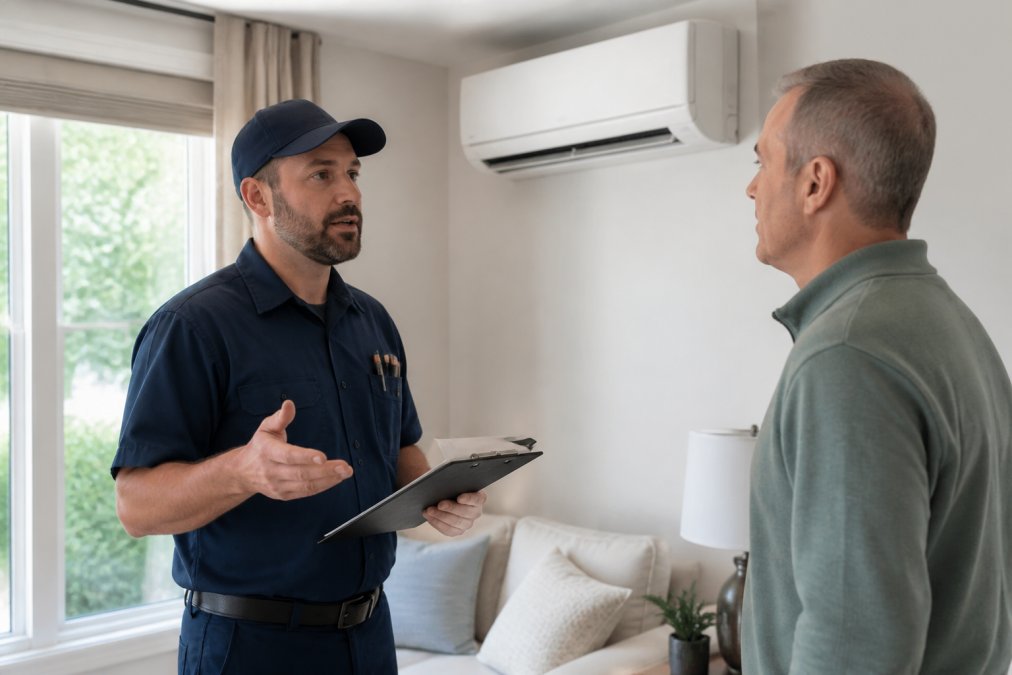
Ask about their experience with your specific system type. If you have a heat pump, ask how many heat pump installations they've done. If you have a ductless mini-split, ask about their experience with that technology. Specialized systems require specialized knowledge.
Warranty and Guarantee Questions
Ask about warranties on parts and labor. Most manufacturers offer 5-10 year warranties on compressors and major components (the FTC). Ask whether the contractor honors these warranties and how claims work. Ask about their own labor guarantee. Do they guarantee their work for a year? Five years?
Ask what happens if something goes wrong after installation. Will they come back at no charge? Will they troubleshoot for free if the system isn't performing as expected? A contractor confident in their work stands behind it.
6. Recognize Red Flags and Avoid Predatory Contractors
Some contractors use high-pressure sales tactics, vague estimates, or inflated pricing. Learning to spot these red flags protects you from costly mistakes.
A contractor who arrives without proper tools or diagnostic equipment is a red flag. Proper diagnosis requires testing equipment. If they recommend a full system replacement after a 10-minute inspection, that's suspicious. Real diagnostics take time.
Vague estimates are a major warning sign. A legitimate estimate breaks down labor, parts, and any additional costs. It specifies what work will be done and what's included in the warranty. If an estimate just says "$5,000 for new AC system," that's not detailed enough.
High-pressure sales tactics are classic predatory behavior. A contractor who pushes you to decide immediately, claims their price is only good today, or suggests financing you can't afford is prioritizing their commission over your needs. Legitimate contractors let you think about decisions.
Watch for contractors who recommend expensive upgrades you didn't ask for. Upgrading to a higher SEER rating makes sense in some cases, but if a contractor keeps pushing premium options without explaining the actual benefit to your specific situation, they're likely upselling.
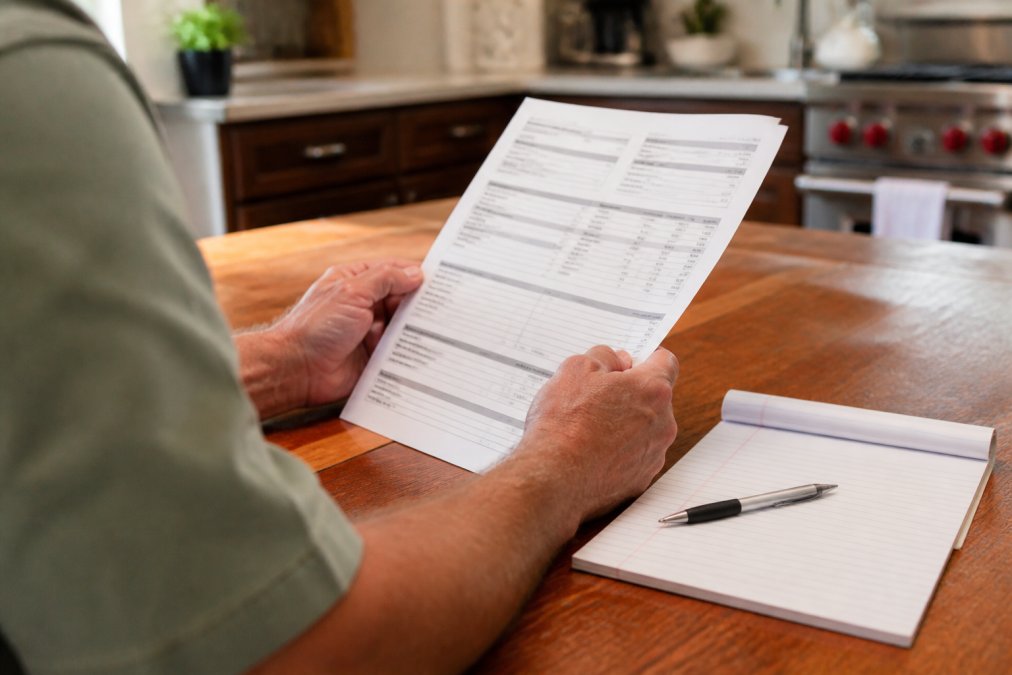
Be wary of contractors who won't provide written estimates. Everything should be documented. If they're vague about pricing or won't put it in writing, they're hiding something.
Avoid contractors who disparage competitors without substance. A contractor who says "those other guys always cut corners" but can't explain specifically why their approach is better is using fear tactics instead of making a real case.
7. Get Written Estimates and Compare Proposals
Never hire based on a phone quote. Get written estimates from at least two or three contractors. Written estimates force contractors to be specific and give you documents to compare.
A good estimate includes:
- Specific equipment model numbers and efficiency ratings
- Detailed breakdown of labor costs
- Timeline for completion
- Warranty terms on parts and labor
- Any permits or inspections required
- Payment terms and schedule
Compare estimates side by side. If one estimate is significantly lower than others, ask why. Are they using cheaper equipment? Cutting corners on installation? Offering less warranty coverage? A lowball estimate often means problems later.
Don't assume the highest price is best either. Sometimes a contractor is just expensive. But the lowest price isn't automatically the best deal if it means inferior equipment or workmanship.
Ask each contractor to explain their estimate. Why did they recommend that specific equipment? How does their approach differ from the others? A contractor who takes time to explain their reasoning demonstrates expertise.
How to Find Reliable HVAC Contractors in Your Area
Finding a reliable HVAC contractor comes down to diligence. Verify licensing and insurance through official channels. Check for professional certifications like NATE and ACCA accreditation. Read online reviews carefully, looking for patterns. Confirm Better Business Bureau accreditation. Ask specific technical questions that reveal expertise. Watch for red flags like vague estimates and high-pressure sales. Get written estimates from multiple contractors and compare them thoroughly.
These steps take time, but they prevent expensive mistakes. A contractor who passes all seven checks is someone you can trust with a major investment in your home's comfort and efficiency.
Many homeowners in your area work with contractors they find through referrals from friends and family. Personal recommendations are valuable, but verify them with the steps above anyway. Someone else's experience doesn't guarantee your experience will be the same.
Rich's Plumbing Heating & Air Conditioning has served the community for over 30 years as a family-owned business. We're licensed, bonded, and insured. Our technicians maintain industry certifications, and we back our work with a 100% satisfaction guarantee. We provide free estimates so you can compare proposals with confidence. If you're looking for a contractor you can vet thoroughly, we encourage you to apply these seven steps to any company you're considering, including ours.
The investment in finding a reliable HVAC contractor pays off in years of reliable service, lower energy bills, and peace of mind. Don't rush the process. A few hours of vetting now saves thousands in problems later.
Finding a reliable HVAC contractor protects one of your home's most important systems. The seven vetting steps in this guide, verifying licensing and insurance, checking certifications, reviewing testimonials, confirming BBB accreditation, asking the right questions, recognizing red flags, and comparing written estimates, give you a systematic way to separate qualified professionals from contractors who cut corners. Rich's Plumbing Heating & Air Conditioning can help you with emergency service, maintenance, and installation backed by 30 years of family-owned expertise and a 100% satisfaction guarantee. Schedule service today and experience the difference a truly reliable contractor makes.
Frequently Asked Questions
What should I look for when hiring an HVAC contractor?
Look for a licensed and insured HVAC contractor with verifiable credentials such as NATE certification or ACCA accreditation. Check their Better Business Bureau rating, request references from recent customers, and ask for a written estimate before committing. A reliable contractor will provide transparent pricing, offer a service agreement, and stand behind their work with a labor guarantee. Always verify their license through your state's licensing board and confirm they carry adequate liability and workers' compensation insurance.
How can I verify an HVAC company's license and insurance?
Contact your state's licensing board or department of consumer affairs to confirm the HVAC contractor's license is current and in good standing. Ask the contractor directly for proof of liability insurance and workers' compensation coverage, and request to see their certificates. You can also use the HVAC contractor license lookup feature on your state's official website. Never hire a contractor who cannot provide documented proof of both licensing and insurance, this protects you from liability if something goes wrong.
What certifications should an HVAC technician have?
The most respected credential is NATE (North American Technician Excellence) certification, which demonstrates expertise in installation and service. ACCA Quality Assurance accreditation shows a contractor's commitment to measurable quality standards. Your state may also require specific trade licenses or EPA Section 608 certification for handling refrigerants. When evaluating an HVAC contractor, ask which certifications their technicians hold and request to see documentation. Certified technicians are more likely to diagnose and fix problems correctly the first time.
What are the biggest red flags when choosing an HVAC contractor?
Avoid contractors who pressure you into immediate decisions, quote prices significantly higher or lower than competitors without explanation, or refuse to provide written estimates. Be wary of contractors who recommend a full system replacement without a thorough diagnostic, offer unusually cheap pricing, or lack verifiable licensing and insurance. Skip anyone who won't provide references or has numerous unresolved complaints on the Better Business Bureau. A reliable HVAC contractor will take time to explain the problem, offer options, and provide upfront pricing in writing.