 ultimate-guide
How to Find a Plumber Close to Me You Can Trust
Table of Contents
- Why a Quick Search for a Plumber Close to Me Isn't Enough
- What to Expect: Average Hourly Rate for Plumbers
- How to Verify Plumbing Licenses Before Anyone Steps Inside
- Essential Questions to Ask a Plumber Before Hiring
- DIY vs. Professional Repair: Know the Threshold
- How to Spot and Avoid Common Plumber Scams
- Your Plumbing Maintenance Checklist to Prevent Emergencies
- Finding the Right Plumber Close to Me: Your Next Step
- Frequently Asked Questions
Last Updated: September 8, 2026
Why a Quick Search for a Plumber Close to Me Isn't Enough
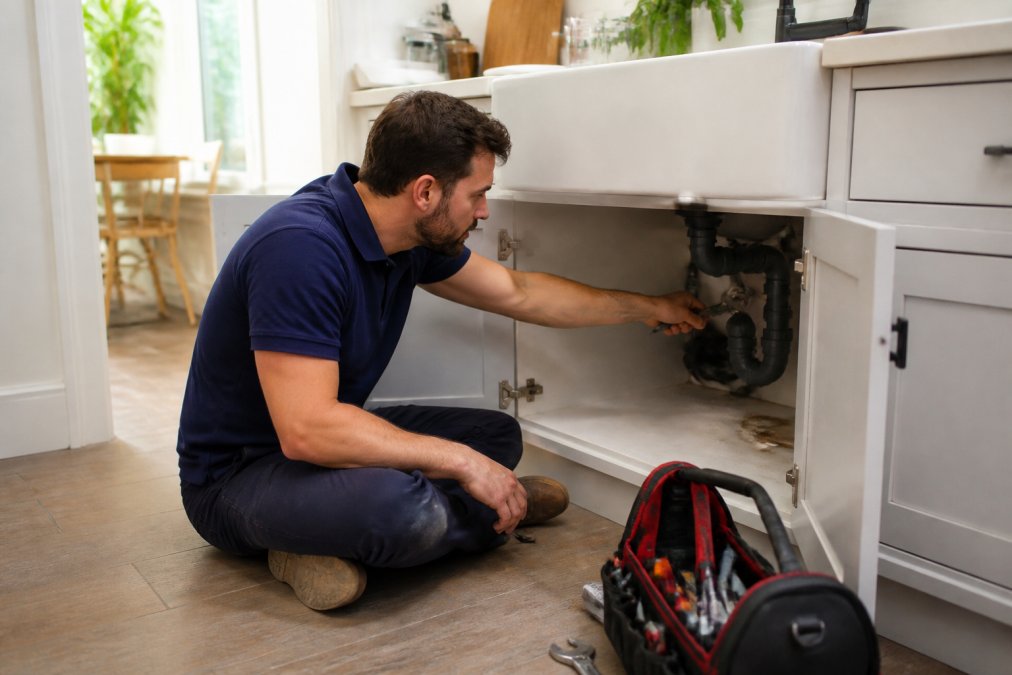
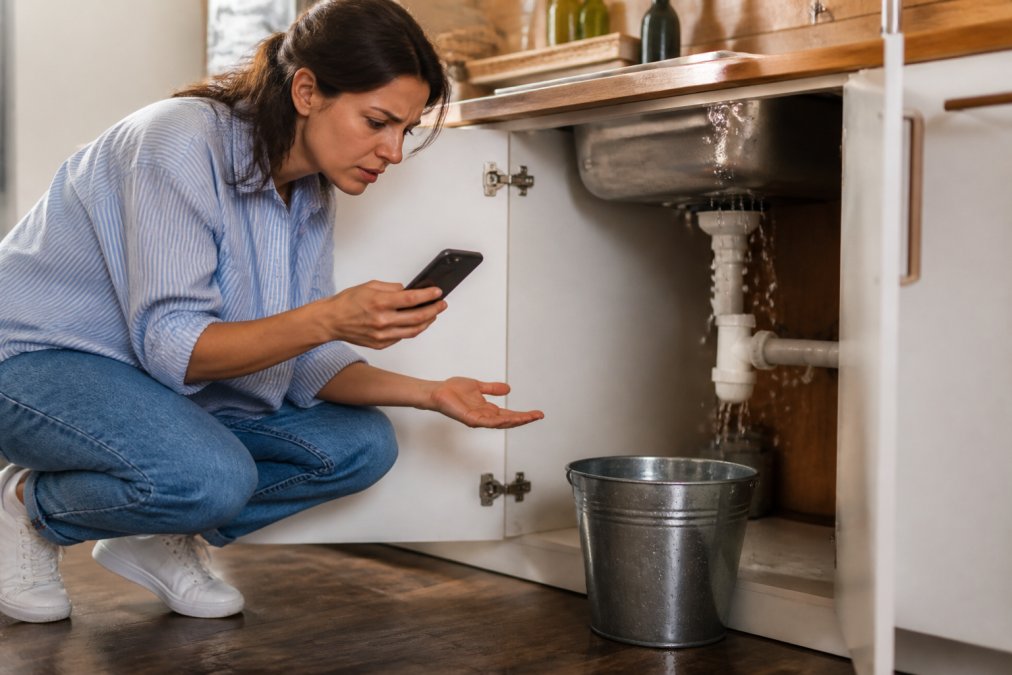
When a pipe bursts at midnight, the instinct to type "plumber close to me" and hire the first name that appears is overwhelming. That urgency is exactly why finding a reliable professional requires more than a top-of-the-list search result. At Rich’s Plumbing Heating & Air Conditioning, we've spent over 30 years serving New Jersey homeowners and have seen the consequences of rushed hiring decisions firsthand.
A quick search gives you names, but not who will show up on time, stand behind their work, or hold the licenses to operate safely. This guide walks you through verifying credentials, asking the right questions, and avoiding pitfalls so you can hire with confidence.
What to Expect: Average Hourly Rate for Plumbers
Most homeowners searching for a plumber close to me want a realistic price before they call. Directory sites dodge the question with a vague national average. This section provides general information about what to expect on an estimate.
The Breakdown of a Typical Plumbing Bill
A standard plumbing invoice has three parts:
- Service Call / Dispatch Fee: This flat fee covers travel time, vehicle costs, and initial diagnosis. Some companies waive it if you approve the repair on the spot; others apply it toward the final bill.
- Hourly Labor Rate: Standard residential rates typically apply for a licensed journeyman or master plumber. Higher rates are common for after-hours, weekend, or holiday calls.
- Parts and Materials: Quotes diverge wildly here. A basic faucet repair might use a cartridge, while a water heater replacement involves the unit itself plus fittings and permits.
Real-World Price Ranges for Common Jobs
Here are typical considerations for all-in price ranges (labor + parts + dispatch) for common residential calls. These are general ranges, not quotes, but they reflect what established, licensed contractors may charge:
- Drain Snaking (Sink or Tub): Clears a simple clog near the fixture.
- Drain Camera Inspection: Diagnostic fee to find the root cause of recurring backups.
- Toilet Repair (Flapper/Valve): Simple parts, but labor and the service call drive the cost.
- Toilet Replacement: Includes the fixture (if you supply it) and labor.
- Water Heater Flush (Maintenance): Preventative service that removes sediment.
- Water Heater Replacement (Standard 40-Gallon Tank): Reflects local permit fees, removal of the old unit, and code upgrades.
- Main Water Line Shut-Off Valve Replacement: Often requires shutting off water at the street and involves more complex labor.
- Sump Pump Replacement: Includes the pump unit and labor.
Why the Lowest Bid Is Often the Most Expensive
A gap between bids can be common. The lowest bid often reflects an unlicensed contractor, substandard parts, or a future 'change order.' A middle-to-upper quote usually indicates a contractor who pays for insurance, pulls permits, and stands behind their work with a warranty.
How to Get a Transparent Quote
When you call a local shop, ask these three questions directly:
- "What is your dispatch fee, and is it waived if I approve the repair?"
- "Do you charge by the hour or by the job for this specific repair?"
- "Does your written estimate include the cost of parts and the permit, or is that separate?"
A contractor who hesitates is likely to surprise you on the final invoice. One who answers clearly gives you the transparency you need. This is the standard we hold ourselves to at Rich’s Plumbing Heating & Air Conditioning, where we provide upfront estimates for most services before any work begins.
How to Verify Plumbing Licenses Before Anyone Steps Inside
A valid plumbing license is your primary proof that a contractor has met state-mandated training and safety standards. In New Jersey, plumbers must be licensed by the State Board of Examiners of Master Plumbers, which requires passing a rigorous exam and maintaining continuing education (njconsumeraffairs.gov).
Verify a plumber's license status through the state's free online portal operated by the Division of Consumer Affairs. It takes less than a minute and confirms the person you're hiring is legally authorized to work in your home.
Beyond the license itself, confirm that the contractor carries both general liability insurance and workers' compensation coverage. Liability insurance protects your property if the plumber damages your home, while workers' comp covers any injuries that occur on your job site. Without these, you could be held financially responsible for an accident on your property. As documented in New Jersey Division of Consumer Affairs licensing guidelines, verifying these credentials protects you from unlicensed operators and potential liability.
Essential Questions to Ask a Plumber Before Hiring
Asking the right questions before you commit separates a professional from one who creates recurring problems.
Start with these five questions:
- Are you licensed and insured in New Jersey?
- Can you provide a written estimate before work begins?
- Do you offer a warranty on parts and labor?
- Will you provide references from recent local jobs?
- Is there a guarantee on your workmanship?
The answers reveal a contractor's professionalism. A licensed, insured professional who offers a satisfaction guarantee and warranty is making a long-term commitment to quality. In an emergency, the temptation to accept a quick patch can lead to repeat calls. Always ask about their approach to fixing the root cause, not just the symptom.
DIY vs. Professional Repair: Know the Threshold
Knowing when to pick up a wrench and when to pick up the phone is the difference between a $20 fix and a $2,000 insurance claim. This threshold is based on risk, code, and cost.
The Green Light: Safe DIY Repairs (No Permit Required)
These tasks involve no structural changes, no gas lines, and no risk of catastrophic water damage.
Tap to easily schedule service today! →
- Replacing a showerhead or aerator: A 15-minute job. Wrap the threads with plumber's tape to prevent leaks.
- Replacing a toilet flapper or fill valve: If water is running constantly, this is often a $15-$25 part. Turn off the water at the shut-off valve, flush to drain the tank, and swap the part.
- Clearing a slow drain with a plunger or a hand-crank auger: If one sink is draining slowly, a plunger often clears it. A hand auger can reach clogs down the line.
- Caulking around a tub or shower: Prevents water from seeping behind the tile, which causes mold. It's messy but not risky.
The Yellow Light: Proceed with Caution
These jobs look simple but involve hidden risks that can void warranties or cause damage.
- Garbage disposal installation: Requires wiring it into a switched outlet and ensuring the drain lines align perfectly. A misaligned connection causes leaks inside the cabinet that rot the wood over time. If you are not comfortable working with 120-volt wiring, call a pro.
- Replacing a bathroom faucet: The risk is overtightening the supply lines, which can crack the shut-off valve fitting. If that valve breaks, you'll have water spraying until you can shut off the main. If your shut-off valves are old and corroded, this is a pro job.
- Using a chemical drain cleaner: Avoid this entirely. These chemicals generate heat and can eat through PVC pipes or weaken cast iron over time (the EPA). If the chemical doesn't clear the clog, the plumber now has to deal with a pipe full of caustic liquid, which increases the service cost.
The Red Light: Call a Professional Immediately
These situations indicate system-wide failure or risk of immediate property damage. Do not attempt them yourself.
- No water pressure in the whole house: This could be a failing pressure regulator, a well-pump issue, or a main line leak. Diagnosing this without a pressure gauge and knowledge of municipal supply lines is guesswork.
- A sewer line backup affecting multiple fixtures: If you flush the toilet and water backs up in the tub, the main sewer line is blocked. You need a plumber with a motorized auger and camera to locate and clear the blockage.
- A water heater leaking from the tank: If the tank itself is leaking, it cannot be patched. It must be replaced. This involves gas or high-voltage electrical connections, a pressure relief valve, and local code permits. A DIY install risks carbon monoxide poisoning (gas) or a catastrophic tank failure.
- Visible water stains on the ceiling: This means a pipe inside the wall or ceiling is leaking. The source is rarely directly above the stain; water travels along joists. A pro uses moisture meters and thermal cameras to find the source without cutting open your entire ceiling.
- Any work involving gas lines: This is non-negotiable. Gas work requires a licensed professional in nearly every jurisdiction due to the risk of explosion and carbon monoxide. Never attempt to move or repair a gas line yourself.
The Cost-Benefit Rule of Thumb
If the part costs less than $50 and the job takes under an hour, it's a DIY candidate. If it requires a permit, involves gas or major electrical work, or could cause over $500 in water damage, call a professional. A service call fee can be a worthwhile investment against a costly repair.
The Bottom Line
When you call a professional for a job that crosses this threshold, you're paying for the diagnosis, code compliance, and warranty. For green-light jobs, a little DIY saves money. For red-zone jobs, the risk is not worth it.
How to Spot and Avoid Common Plumber Scams
The plumbing industry has its share of bad actors, and stressed homeowners in an emergency are prime targets. Knowing the warning signs protects your wallet and home.
The most common red flag is demanding full payment upfront. Legitimate companies collect after the job or require a small deposit for major projects. Another warning sign is refusing a written estimate or giving a verbal quote that doubles once work begins.
Be wary of contractors who arrive in an unmarked vehicle, lack a physical address, or pressure you into an immediate decision. A common scam involves "discovering" a serious problem requiring expensive emergency repairs. A licensed professional will explain the issue, show evidence, and give you time to consider. If a contractor discourages you from pulling a permit or inspecting their license, end the conversation.
Your Plumbing Maintenance Checklist to Prevent Emergencies
Most plumbing emergencies are preventable with routine maintenance. A simple checklist performed twice a year catches small issues before they become costly disasters.
- Inspect visible pipes under sinks for signs of moisture or corrosion
- Test all shut-off valves to ensure they operate smoothly
- Check water heater temperature and flush the tank to remove sediment
- Run water in unused drains to keep traps filled and prevent sewer gas
- Examine toilet flappers and fill valves for silent leaks
- Look for signs of water damage around the base of fixtures
A few minutes of preventive care each season addresses the most common sources of problems. The water heater benefits from an annual flush to remove sediment that reduces efficiency. If you're unsure how to perform these checks safely, a professional maintenance service can handle them.
This is also the time to schedule a professional inspection that covers what you can't see. A licensed plumber uses cameras and pressure tests to evaluate your sewer line and identify backflow issues. Regular maintenance from a trusted local contractor is the most effective strategy for comprehensive protection.
Finding the Right Plumber Close to Me: Your Next Step
Choosing the right plumber close to me comes down to preparation, not luck. By verifying licenses, asking the right questions, and understanding when to call a professional, you protect your home and avoid repeat visits. Vetting a contractor before an emergency is an investment in your home's long-term health.
When you need a plumbing professional you can trust, Rich’s Plumbing Heating & Air Conditioning delivers the service and accountability New Jersey homeowners deserve. Our family-owned team has provided expert plumbing, heating, and cooling solutions for over 30 years, with a 60-minute response time for urgent needs. Every job is backed by a 100% satisfaction guarantee, and our licensed, bonded, and insured professionals handle everything from emergency drain services to high-quality installations.
Get started with Rich’s Plumbing Heating & Air Conditioning and schedule your service today. Tap to easily schedule service today and experience the difference of a team that treats your home like their own.
Frequently Asked Questions
How can I avoid getting ripped off by a plumber?
Start by verifying the contractor's license and insurance before they begin work. Ask for a written estimate that itemizes labor and materials, and be wary of anyone demanding full payment upfront. A reputable plumber close to me will offer a service guarantee and explain the problem in clear terms without pressuring you into unnecessary replacements.
Are emergency plumbing services more expensive?
Yes, emergency calls outside normal business hours typically carry a higher rate than standard appointments. Before you agree to the service, ask about the overtime rate and any additional trip charges so you understand the full cost structure.
What is the best way to find a good plumber?
Start with recommendations from neighbors and local community groups, then cross-check those names against verified licenses and customer reviews. A strong local reputation matters more than a flashy website. When you contact a plumber close to me, pay attention to their response time and willingness to answer your questions clearly.