 comparison
Gold Medal Service vs Local Plumbers: 2026 Comparison
Table of Contents
- Gold Medal Service vs Local Plumbers: Key Differences
- Service Reliability and Response Time
- How to Choose a Reliable Plumber in Your Area
- Finding a Plumber Close to Me: Local vs National Providers
- Emergency Plumbing Repair Costs: What to Expect
- Licensing, Permits, and Professional Standards
- Service Contracts and Warranties: Protection for Your Home
- Frequently Asked Questions
Last Updated: August 26, 2026
Gold Medal Service vs Local Plumbers: Key Differences
When your water heater fails on a Sunday or a pipe bursts behind a wall, you need fast, reliable help. The choice between a national service provider like Gold Medal Service and a local plumber shapes not just your immediate repair experience, but your long-term relationship with your home's critical systems. At Rich's Plumbing Heating & Air Conditioning, we've spent over 30 years watching homeowners navigate this exact decision, and the answer isn't as straightforward as "bigger is better" or "local is cheaper."
The core tension is this: national chains offer standardized processes and broad availability, but local plumbers often deliver faster response times, more personalized service, and deeper knowledge of regional infrastructure. Gold Medal Service operates across multiple states with consistent protocols. Local plumbers, by contrast, operate in specific communities where they build reputations on individual relationships. Neither model is universally superior, the right choice depends on your priorities, your emergency timeline, and what you value most.
This guide breaks down the real differences between Gold Medal Service and local plumbers across reliability, cost, licensing, and service quality. We'll help you understand when each makes sense and what questions to ask before you call.
Service Reliability and Response Time
Gold Medal Service guarantees standardized response protocols across their service area, with documented arrival windows and centralized scheduling. They maintain large fleets and dispatcher networks, so they can often absorb emergency calls even during peak demand. National providers typically have multiple teams available simultaneously, which means fewer situations where they tell you "we can't fit you in today."
Local plumbers like those at Rich's Plumbing Heating & Air Conditioning operate differently. We maintain a 60-minute response time for emergencies because we're rooted in specific communities, not spread across a dozen states (nfpa.org). That proximity matters. When you're 15 minutes away instead of 45, response times shrink dramatically. A local plumber who's built their reputation on reliability can't afford to miss a commitment; their entire business depends on word-of-mouth in a tight geographic area.
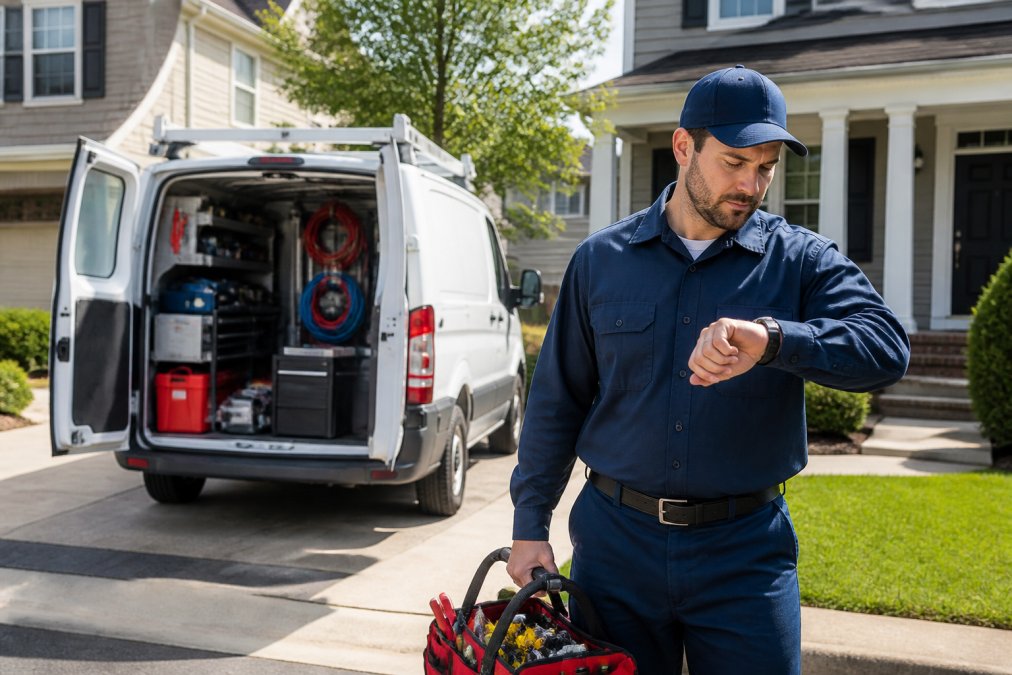
The trade-off is predictability versus flexibility. Gold Medal Service will arrive within their stated window because they've engineered their operations for consistency. Local plumbers may arrive faster in genuine emergencies but might have less flexibility if you need to reschedule. National chains handle volume; local operators handle urgency.
Response time also depends on how you define "response." Some companies measure it as "dispatch confirmation," while others mean "technician arrives." Always clarify which metric you're being quoted. A 24-hour response window sounds reasonable until you realize it means they'll call you back within 24 hours, not arrive within 24 hours.
How to Choose a Reliable Plumber in Your Area
Choosing a reliable plumber starts with verification, not reputation alone. Here's what actually matters when evaluating local plumbers versus national chains.
Check licensing first. Every plumber working in your state must hold an active license issued by your state's licensing board (ncsl.org). Verify this directly on your state's official website, don't rely on the company's word. A licensed plumber has passed exams, maintained insurance, and submitted to oversight. This is non-negotiable.
Ask about insurance and bonding. A licensed plumber might still lack adequate liability insurance. If something goes wrong during the repair, say, water damage to your flooring, you need to know you're protected. Request proof of current insurance and ask what coverage limits they carry. Bonding protects you if the plumber takes payment and doesn't complete the work.
Look for specific certifications beyond the basic license. Some plumbers pursue additional training in specialized areas like water heater installation, sewer line repair, or backflow prevention. These certifications signal deeper expertise in particular systems.
Read reviews, but read them carefully. Online reviews tell you how customers felt, but they don't verify technical competence. A five-star review that says "friendly and on time" doesn't mean the repair will last five years. Look for reviews that mention specific work: "Fixed our drain issue and it hasn't backed up since" is more useful than "Great service." Be skeptical of companies with only five reviews or reviews from months ago.
Compare pricing models, not just prices. Some plumbers charge hourly rates plus parts. Others use flat-rate pricing. National chains often quote upfront; local plumbers sometimes charge a diagnostic fee. Understand the model before committing. Flat-rate pricing sounds transparent until you realize it might be inflated compared to hourly work for a simple fix.
Ask about warranties on work. A reputable plumber guarantees their labor for a specific period, often one year. If the repair fails within that window due to their workmanship, they'll fix it again at no charge. This separates professionals from contractors who disappear after payment.
Finding a Plumber Close to Me: Local vs National Providers
The "plumber close to me" search reveals a fragmented market. You'll find national chains, regional operators, and independent contractors, all competing on proximity and price. Understanding the differences helps you make an informed choice.
National providers like Gold Medal Service operate multiple locations. They offer consistent pricing, standardized processes, and broad availability. When you call Gold Medal Service, you're contacting a centralized dispatch system that assigns work to available technicians. This model works well for routine maintenance and non-emergency repairs. The downside: you don't build a relationship with a specific technician, and pricing often reflects corporate overhead.
Regional operators serve multiple counties but maintain local roots. They're large enough to have backup technicians and scheduling flexibility, but small enough to know their service areas deeply. They often charge less than national chains but more than solo operators.
Independent local plumbers operate solo or with one or two employees. They have minimal overhead, which can translate to lower prices. Response times can be exceptional because they're not juggling 50 calls simultaneously. The risk: if your regular plumber is sick or on vacation, you might have no backup. They also may lack the resources to handle complex jobs requiring specialized equipment.
Finding a plumber close to you means asking what you actually need. For emergency service at 2 a.m., proximity and availability matter most. For scheduled maintenance, you can afford to wait a few days and choose based on reputation and pricing. For complex work like water heater replacement or sewer line repair, you want expertise over speed.
Emergency Plumbing Repair Costs: What to Expect
Emergency plumbing repairs cost more than scheduled work. This is universal across national chains and local plumbers alike. The question isn't whether you'll pay a premium; it's how much and for what.
Diagnostic fees range widely. Some plumbers charge $75-150 just to assess the problem. Others include diagnosis in the repair cost. Always ask upfront whether a diagnostic fee applies and whether it's credited toward repair work.
Service call charges apply when you need immediate service outside normal business hours. Nights, weekends, and holidays typically trigger surcharges. National providers often build these into flat rates; local plumbers might charge them separately. A 2 a.m. call costs more than a 2 p.m. call, expect to pay $100-300 extra for the time-of-day premium alone.
Parts and labor are where costs diverge most. A simple drain cleaning runs differently from a burst pipe repair. A clogged drain might cost $150-300 with a local plumber or $200-400 with a national chain (bls.gov). A burst pipe requiring wall access and replacement sections could cost $500-2,000 depending on accessibility and extent of damage.
Flat-rate versus hourly pricing affects your final bill. With flat-rate pricing, you know the total cost upfront, useful for budgeting but potentially expensive if the job finishes in 30 minutes instead of the estimated two hours. Hourly billing rewards efficiency but penalizes complexity if the job takes longer than expected.
Emergency financing options matter when repair costs spike. Many plumbers now offer financing through third-party lenders. Pricing depends on quantity, dates, and delivery. Please visit our website for current prices or a quote.
The cost difference between Gold Medal Service and local plumbers varies by location and complexity. In competitive markets, the gap narrows. In rural areas, national chains might be more expensive because they have fewer local competitors. Always get multiple quotes before committing to emergency work, most reputable plumbers provide free estimates.
Tap to easily schedule service today! →
Licensing, Permits, and Professional Standards
Licensing separates professionals from unlicensed operators. Every state requires plumbers to hold a license issued by a state or local licensing board. The license verifies that the plumber has passed exams covering code, safety, and technical competence. It's the baseline standard.
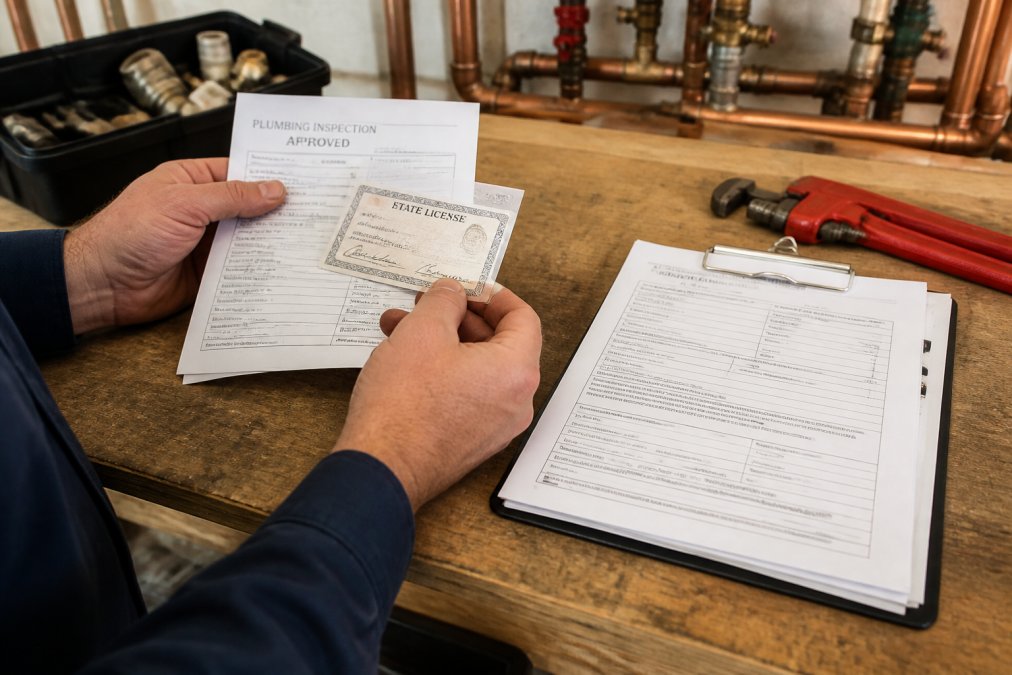
Permit requirements vary by job scope. A simple drain cleaning typically doesn't require a permit. A water heater replacement, sewer line repair, or any work involving main lines usually does. Permits ensure the work meets code and gets inspected. They protect you: if something fails, you have documentation that the work was done to standard. They also protect future buyers if you sell your home.
Many homeowners skip permits to save money. This is a mistake. Unpermitted work can void insurance coverage, complicate home sales, and create liability if something fails. When you hire a plumber, ask whether the job requires permits and whether they'll handle permit acquisition.
Professional standards extend beyond licensing. Plumbers who join professional organizations like the Plumbing-Heating-Cooling Contractors Association (PHCC) commit to ethics codes and continuing education. They're required to maintain insurance and handle complaints through formal processes. This doesn't guarantee perfection, but it signals accountability.
National providers like Gold Medal Service operate under corporate compliance standards. They maintain centralized quality oversight and insurance across all locations. Local plumbers vary. A solo operator might be meticulously professional or might cut corners. This is why verification matters more than brand size.
Bonding and insurance are separate from licensing. A licensed plumber might lack adequate insurance. Bonding protects customers if the plumber fails to complete work or commits fraud. Insurance protects you if the plumber's work damages your home. Always verify both before hiring.
Service Contracts and Warranties: Protection for Your Home
Service contracts shift risk and establish accountability. Understanding what they cover protects you from surprise costs and ensures you know what to expect.
Warranty on labor is standard among reputable plumbers. If the repair fails due to workmanship within the warranty period, typically one year, the plumber fixes it at no charge. This incentivizes quality work. A plumber who stands behind their labor is confident in their skills.
Warranty on parts differs. Some parts carry manufacturer warranties independent of the plumber's labor warranty. A water heater might have a 10-year manufacturer warranty on the tank but only a 1-year labor warranty from the plumber. Understand which is which.
Service agreements for maintenance are different from repair warranties. A maintenance contract commits you to regular tune-ups, typically annual inspections for heating and cooling systems or quarterly drain treatments. In exchange, you often get priority scheduling and discounted service calls. These work well if you value preventative care and want predictable costs.
What service contracts typically cover:
- Priority scheduling for non-emergency calls
- Discounted labor rates (often 10-20% off standard rates)
- Free annual inspections
- Parts discounts
- Emergency response guarantees
What they typically don't cover:
- Major component replacements (water heater, furnace)
- Damage from external causes (tree roots, freezing)
- Neglect-related issues (no maintenance for five years, then failure)
Read the fine print. Some contracts auto-renew unless you cancel in writing. Some have cancellation fees. Some limit coverage to specific systems. A good contract is transparent about what's included and what isn't.
Rich's Plumbing Heating & Air Conditioning offers service agreements with clear terms and no hidden cancellation fees. Our 100% satisfaction guarantee means if you're not satisfied with the work, we'll make it right.
Compare service contracts from multiple providers before committing. A cheaper contract that excludes your primary concern is worse than a slightly more expensive one that covers what you actually need.
Choosing between Gold Medal Service and local plumbers isn't about picking the objectively "best" option, it's about matching your needs to the right provider. National chains excel at consistency and availability. Local plumbers excel at responsiveness and personalized service. For emergencies, proximity and speed matter most. For planned work, expertise and cost matter more.
When you're ready to address your plumbing or HVAC needs, Rich's Plumbing Heating & Air Conditioning stands ready with a 60-minute response time, licensed and insured technicians, and a 100% satisfaction guarantee. Our family-owned team has served New Jersey for over 30 years, handling everything from emergency drain service to complete system installations. Tap to easily schedule service today and experience the difference that local expertise and genuine accountability make.
=== FAQ ANSWERS (audit these too, same rules) ===
[1] Q: What makes a local plumber different from a national service like Gold Medal Service? A: Local plumbers typically offer personalized service, faster response times in their immediate area, and direct accountability to their community. National providers like Gold Medal Service bring standardized processes, broader resources, and established brand reputation. Local plumbers often have deeper knowledge of regional water systems and building codes, while national services provide consistency across multiple locations. The choice depends on whether you prioritize personal relationships and local expertise or standardized procedures and brand recognition.
[2] Q: How do I verify that a local plumber is licensed and insured? A: Ask the plumber directly for their license number and verify it through your state's licensing board or contractor registration database. Request proof of liability insurance and workers' compensation coverage before they begin work. A reliable plumber will provide this documentation without hesitation. Check online reviews and the Better Business Bureau for complaint history. Licensed professionals typically display their credentials readily because licensing demonstrates they meet professional standards and have passed required exams.
[3] Q: What factors should I consider when choosing a reliable plumber? A: Prioritize licensing and insurance, response time availability, warranty on workmanship, transparent pricing practices, and customer reviews. Ask about their experience with your specific issue (emergency drain service, water heater replacement, leak detection). Request a written estimate before work begins. Check how they communicate and whether they explain problems clearly. Verify they handle permits and inspections properly. A reliable plumber provides free estimates, explains options upfront, and backs their work with a satisfaction guarantee.
[4] Q: Why do emergency plumbing repair costs vary so much between providers? A: Costs depend on the problem's complexity, materials needed, travel distance, time of day, and whether the issue requires multiple visits. A simple clog costs less than sewer line replacement. Emergency calls outside business hours typically carry higher fees. National franchises may charge more due to overhead, while independent contractors often undercut large companies. Some providers charge diagnostic fees; others credit these toward repair costs. Always request a detailed estimate that breaks down labor, materials, and any service charges before authorizing work.
Frequently Asked Questions
What makes a local plumber different from a national service like Gold Medal Service?
Local plumbers typically offer personalized service, faster response times in their immediate area, and direct accountability to their community. National providers like Gold Medal Service bring standardized processes, broader resources, and established brand reputation. Local plumbers often have deeper knowledge of regional water systems and building codes, while national services provide consistency across multiple locations. The choice depends on whether you prioritize personal relationships and local expertise or standardized procedures and brand recognition.
How do I verify that a local plumber is licensed and insured?
Ask the plumber directly for their license number and verify it through your state's licensing board or contractor registration database. Request proof of liability insurance and workers' compensation coverage before they begin work. A reliable plumber will provide this documentation without hesitation. Check online reviews and the Better Business Bureau for complaint history. Licensed professionals typically display their credentials readily because licensing demonstrates they meet professional standards and have passed required exams.
What factors should I consider when choosing a reliable plumber?
Prioritize licensing and insurance, response time availability, warranty on workmanship, transparent pricing practices, and customer reviews. Ask about their experience with your specific issue (emergency drain service, water heater replacement, leak detection). Request a written estimate before work begins. Check how they communicate and whether they explain problems clearly. Verify they handle permits and inspections properly. A reliable plumber provides free estimates, explains options upfront, and backs their work with a satisfaction guarantee.
Why do emergency plumbing repair costs vary so much between providers?
Costs depend on the problem's complexity, materials needed, travel distance, time of day, and whether the issue requires multiple visits. A simple clog costs less than sewer line replacement. Emergency calls outside business hours typically carry higher fees. National franchises may charge more due to overhead, while independent contractors often undercut large companies. Some providers charge diagnostic fees; others credit these toward repair costs. Always request a detailed estimate that breaks down labor, materials, and any service charges before authorizing work.