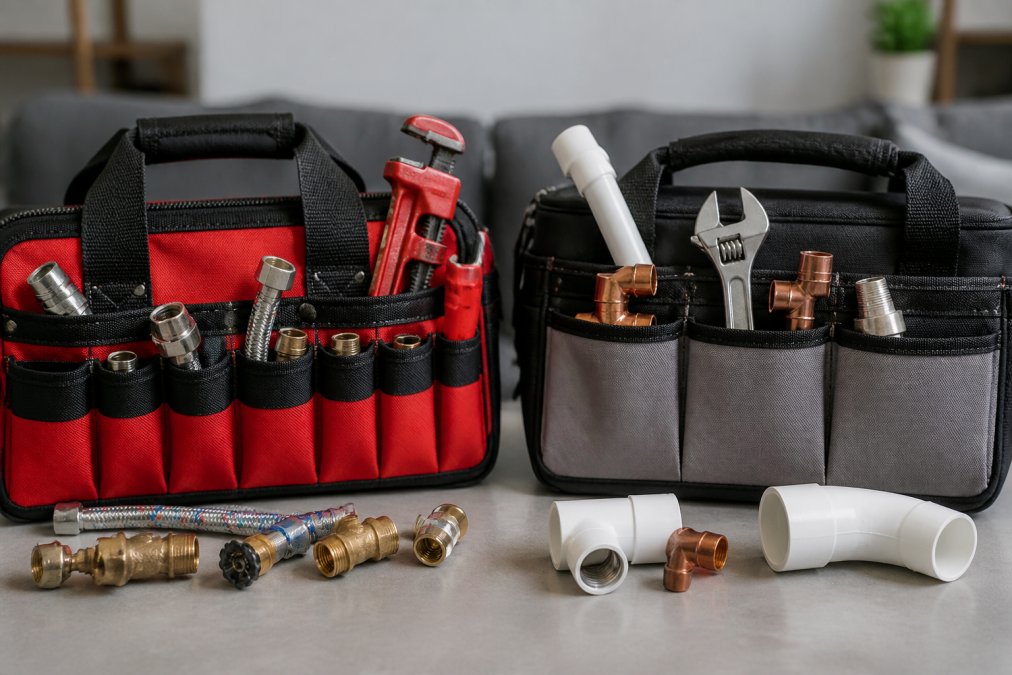
 comparison
Emergency vs Standard Plumbing Repair Cost
Table of Contents
- What Constitutes a Plumbing Emergency
- Emergency vs Standard Plumbing Repair Cost: The Core Differences
- Understanding the Plumbing Service Call Fee
- Factors That Influence Emergency Plumbing Repair Costs
- How to Shut Off Your Water Main: First Steps in an Emergency
- Emergency Plumbing Checklist and Damage Mitigation
- Vetting Plumbers and Avoiding Predatory Pricing
- Insurance Coverage for Emergency Plumbing Damage
- Frequently Asked Questions
Last Updated: September 22, 2026
What Constitutes a Plumbing Emergency
A plumbing emergency is any situation where water damage, health hazards, or system failure threatens your home or safety. This distinction determines your service options and costs.
True emergencies include burst pipes flooding your home, sewage backing up into living spaces, or complete loss of water pressure. These require immediate intervention to prevent structural damage and contamination.
Non-emergency issues like slow drains, dripping faucets, or minor leaks can wait for standard business hours.
The gray area causes confusion: a running toilet isn't an emergency, but one overflowing raw sewage is. A slowly leaking water heater gives you time to schedule service; one actively spraying hot water demands immediate attention.
Emergency vs Standard Plumbing Repair Cost: The Core Differences
The price gap reflects real operational differences. Emergency calls demand immediate dispatch outside normal hours with technicians on standby. Standard service works within predictable schedules, allowing better resource planning and lower overhead.
Service Call Fees and Trip Charges
A service call fee is the baseline charge for a plumber to arrive and diagnose the problem, covering dispatch, travel time, and initial assessment regardless of findings.
Standard service call fees are lower because they're scheduled during business hours with coordinated dispatch. Emergency service call fees are higher because the plumber must be available outside normal hours.
Many plumbers charge trip charges, a separate fee to show up. This compensates for disruption and guaranteed labor cost even if the fix takes 15 minutes.
After-Hours and Weekend Rate Multipliers
After-hours surcharges transform costs. A $200 Tuesday afternoon repair might cost $400-$500 on Saturday night or at 2 a.m.
Common patterns: 1.5x-2x standard rate for evening calls, 2x-3x for weekends, 2.5x-3.5x for middle-of-the-night emergencies. Some use flat rate pricing substantially higher for emergencies.
Emergency availability costs money: disrupted sleep, reduced next-day availability, and inefficient scheduling. The premium reflects that real cost.
Labor Costs and Diagnostics
Labor makes up the largest portion of any plumbing bill. Standard repairs charge hourly rates based on complexity and experience; emergency rates apply the multipliers above.
Diagnostics often cost the same for emergency or standard service. However, emergency diagnostics sometimes happen faster because urgency demands quicker assessment, which can work in your favor if the problem is simple.
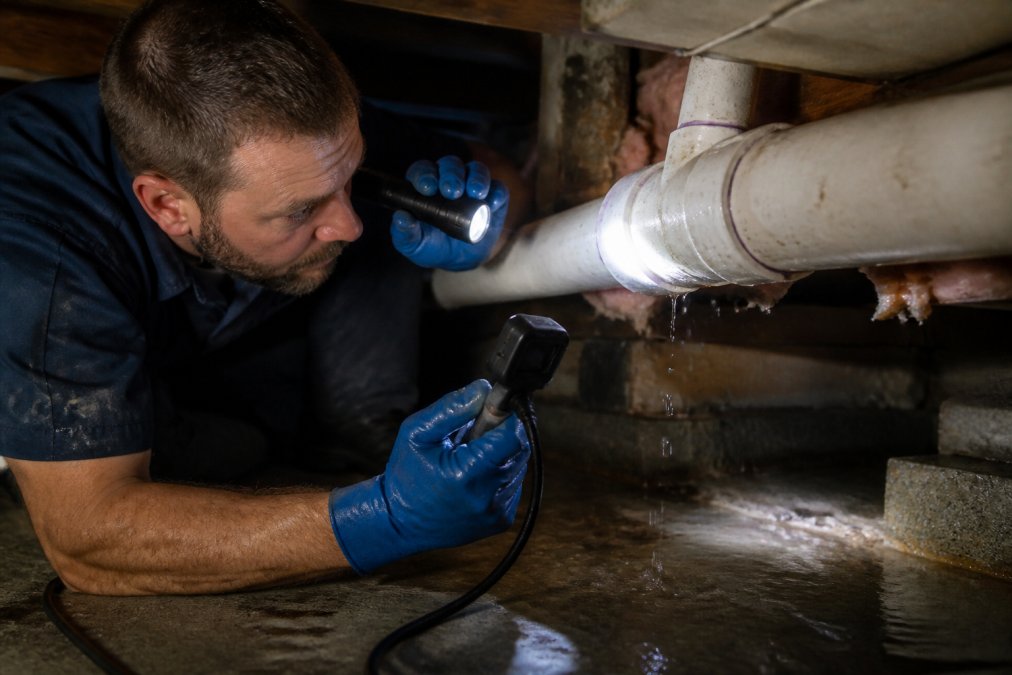
Understanding the Plumbing Service Call Fee
The service call fee is where many homeowners first notice the cost difference. This non-refundable charge appears on your bill before any actual repair work begins.
Standard service call fees compensate for time, overhead, vehicle maintenance, fuel, insurance, and administrative work. The fee ensures payment even if you decline repairs after diagnosis.
Emergency service call fees are higher for out-of-hours availability.
Factors That Influence Emergency Plumbing Repair Costs
Several variables determine your final bill beyond the basic emergency surcharge. Understanding them helps you anticipate costs and make informed decisions.
| Factor | Impact on Cost | Standard Service | Emergency Service |
|---|---|---|---|
| Service Call Fee | Baseline charge | Lower | Higher |
| Labor Rate | Per-hour cost | Standard rate | 1.5x-3.5x multiplier |
| After-Hours Surcharge | Time-based premium | None | 25-250% increase |
| Parts & Materials | Per-item cost | Market price | May use expedited options |
| Diagnostic Time | Extends labor hours | Shorter | May be expedited |
| Distance | Trip charge | Included in service fee | May increase fee |
How to Shut Off Your Water Main: First Steps in an Emergency
When a burst pipe or major leak happens, shutting off your water main stops the flow immediately and prevents water damage from escalating while you wait for the plumber.
Tap to easily schedule service today! →
Emergency Plumbing Checklist and Damage Mitigation
The minutes between discovering a plumbing emergency and the plumber's arrival determine how much damage occurs. A structured response limits water damage and protects your property.
Immediate actions (first 5 minutes):
- Shut off the main water valve
- Turn off the water heater if a hot water line burst
- Stop using water, don't flush toilets or run faucets
- Move valuables and electronics away from water
- Turn off electricity to the affected area if water is near outlets or panels
Containment (next 10 minutes):
- Place buckets under active leaks
- Lay towels and tarps to redirect water away from finished spaces
- Open basement windows or doors to improve air circulation
- Remove standing water with a wet/dry vacuum if safe to do so
Documentation (before the plumber arrives):
- Take photos and video of the damage and the leak source
- Note the time the problem started
- List any water-damaged items for insurance purposes
Communication:
- Call your insurance company to report the damage
- Provide your plumber with clear directions and access information
- Ask about their emergency response time when you call
Vetting Plumbers and Avoiding Predatory Pricing
Before you have an emergency:
- Research plumbers in your area and read customer reviews
- Ask neighbors, friends, and family for referrals
- Get contact information for at least two trusted plumbers
- Ask about their emergency response time and after-hours availability
When you call for emergency service:
- Ask for an upfront estimate or price range before they dispatch
- Request a breakdown of service call fee, hourly rate, and any surcharges
- Confirm whether the quoted price includes the service call fee or if it's additional
- Ask how they charge for travel time and whether there's a minimum charge
Red flags that suggest predatory pricing:
- Refusal to quote any price range before arrival
- Service call fees exceeding 30% of typical repair costs
- Hourly rates that seem disconnected from the local market
- Pressure to authorize work immediately without time to consider alternatives
- Unwillingness to explain what each line item on the invoice covers
After the plumber arrives:
- Ask for an updated estimate if the diagnosis reveals more extensive work
- Request itemization of parts, labor, and fees before authorizing additional work
- Take photos of the completed repair
- Request an invoice with detailed descriptions of what was repaired
Rich's Plumbing Heating & Air Conditioning operates with a 60-minute emergency response time. As a family-owned business serving the area for over 30 years, they provide free estimates for most services and stand behind their work with a 100% satisfaction guarantee.
Insurance Coverage for Emergency Plumbing Damage
Your homeowners insurance may cover water damage from plumbing failures, but coverage depends on the cause, your policy details, and how quickly you respond.
Covered scenarios (typically):
- Sudden burst pipes from freezing or defects
- Sudden ruptures in water supply lines
- Sudden failure of water heater tanks
- Accidental discharge from appliances
Not covered (typically):
- Damage from lack of maintenance (ignored slow leaks)
- Damage from wear and tear (old pipes that finally fail)
- Damage from external flooding or groundwater
- Damage from frozen pipes if you failed to prevent freezing
What you need to do:
- Report the damage to your insurance company as soon as it's safe
- Document the damage with photos and video before cleanup
- Keep receipts for emergency mitigation services and temporary repairs
- Provide your insurance adjuster with the plumber's invoice and detailed description of what failed
Frequently Asked Questions
Do emergency plumbers cost more than standard service?
Yes. Emergency plumbing repair costs typically include a service call fee (charged even if the plumber determines the issue is minor), after-hours surcharges (often 50-100% above standard rates), and sometimes weekend and holiday premiums. The total emergency cost can be 2-3 times higher than the same repair during standard business hours. The exact multiplier depends on the time of day, day of week, and your plumber's pricing model.
What is included in a plumbing service call fee?
A service call fee covers the plumber's dispatch, travel time, and initial diagnosis of your plumbing problem. This fee is typically charged regardless of whether the repair is simple or complex. Some plumbers credit this fee toward the final repair cost if you proceed; others keep it as a separate charge. Always ask whether the service call fee is applied to the repair estimate before the plumber begins work.
How do I know if I have a plumbing emergency?
Common plumbing emergencies include burst pipes, major water leaks, sewer line backups, gas leaks near plumbing, no water supply, or water damage in progress. Non-emergencies include slow drains, minor drips, or fixtures that aren't working but aren't causing active damage. If water is actively damaging your home or a safety hazard exists, call an emergency plumber. Otherwise, you can typically schedule standard service during business hours.
Can I reduce emergency plumbing costs by taking action myself first?
Yes. Shut off your main water supply immediately to stop active leaks and prevent water damage. Use towels or buckets to contain standing water. Locate the affected area and take photos for insurance purposes. Do not attempt major repairs yourself, but these mitigation steps reduce damage and can lower overall costs. Document everything for your homeowner's insurance claim, which may cover some emergency repair expenses.
How can I verify a plumber is licensed and insured before hiring?
Ask for proof of licensing and insurance before the plumber begins work. Licensed plumbers carry credentials from your state or local licensing board. Insured plumbers carry general liability and workers' compensation coverage. Request references from recent customers and check online reviews on independent platforms. A licensed, bonded, and insured plumber protects you if something goes wrong during the repair. Avoid plumbers who cannot provide documentation or pressure you to pay in cash upfront.