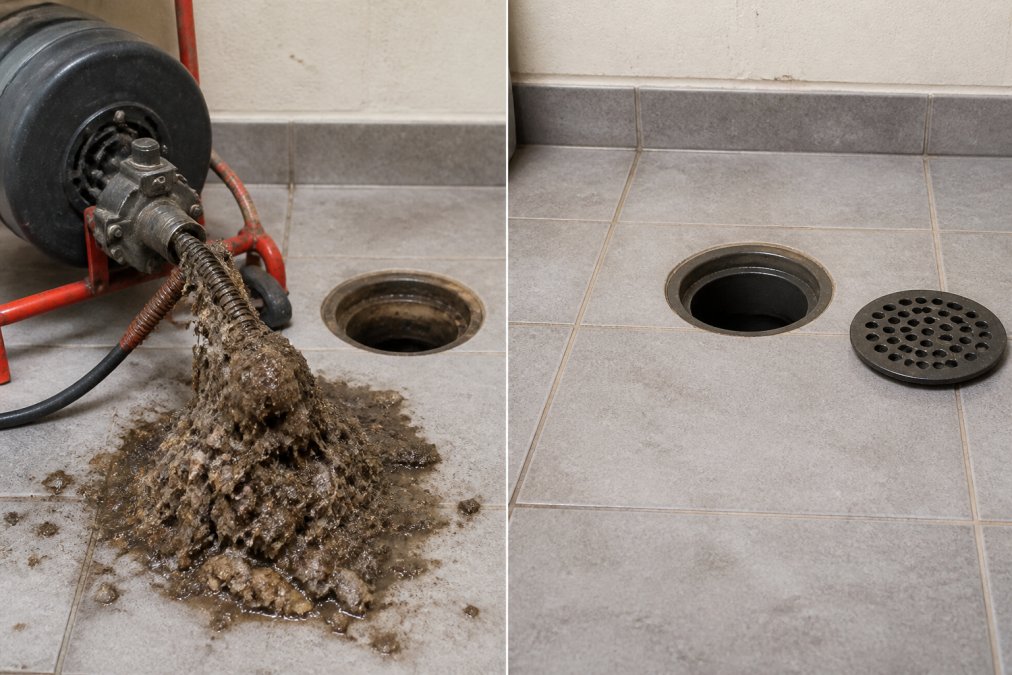
 comparison
Emergency Drain Services vs 100% Satisfaction Guaranteed
Table of Contents
- Emergency Drain Services Comparison: Guarantees vs. Transparent Estimates
- Emergency Drain Cleaning Cost: What Drives the Price
- How to Avoid Hidden Fees in Plumbing Repairs
- Plumbing Service Satisfaction Guarantee Explained
- Hydro-Jetting vs. Traditional Snaking: What to Expect
- DIY vs. Professional Thresholds: When to Call a Pro
- Environmental Impact of Drain Chemicals
- Frequently Asked Questions
Last Updated: September 16, 2026
Emergency Drain Services Comparison: Guarantees vs. Transparent Estimates
Emergency drain services are professional, around-the-clock plumbing responses to blocked, backed-up, or failing drainage systems, and the two things that separate a good provider from a frustrating one are the strength of the satisfaction guarantee and the clarity of the repair estimate. At Rich’s Plumbing Heating & Air Conditioning, we have handled urgent drain calls for more than 30 years, and the pattern is always the same: homeowners rarely get burned by the size of the bill, they get burned by not understanding it before the work starts.
That distinction matters more than most people realize. A guarantee tells you what happens if the job goes wrong. A transparent estimate tells you what the job will cost before it begins. You need both, and you should never accept one as a substitute for the other.
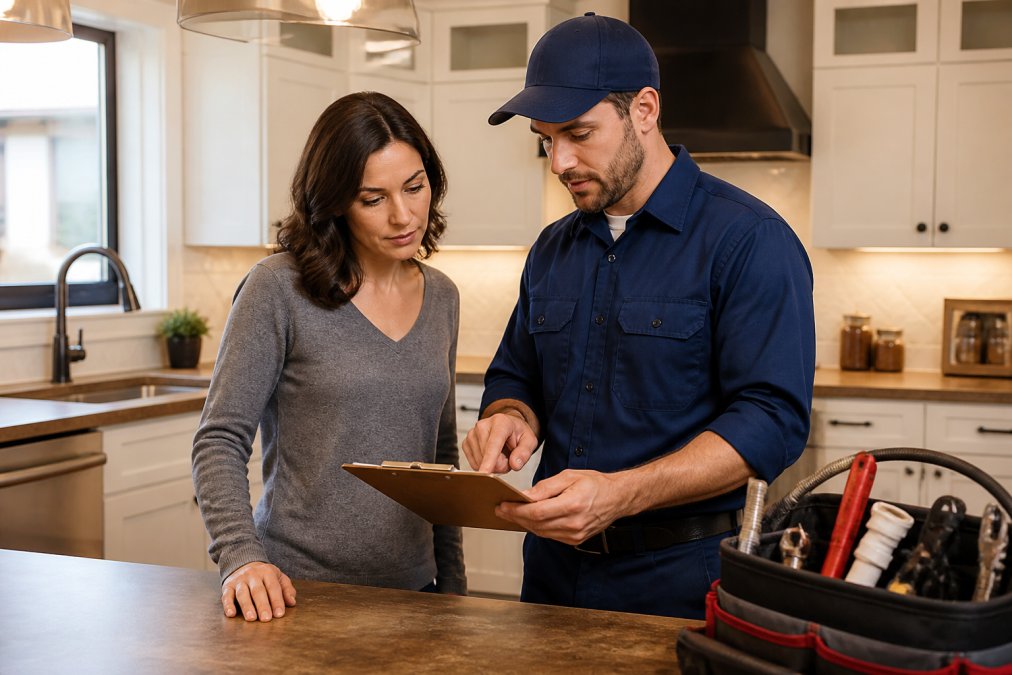
What '100% Satisfaction Guaranteed' Actually Covers
A 100% satisfaction guarantee is a written promise that the provider will make the work right, at no additional charge, if you are not satisfied with the result. In practice, that promise is only as strong as its terms. Some companies define satisfaction as "the drain flows again when we leave," while others back the repair with a defined warranty period.
Read the fine print before you book. Ask three questions: How long does the guarantee last after the service date? Does it cover labor, parts, or both?
What Transparent Estimates Include
A transparent estimate is an itemized, written breakdown of what the provider will do and what each part of the job costs, delivered before any work begins. It should list the diagnosis, the proposed method, the labor, any parts, and whether service call or dispatch fees apply.
| Element | Weak Provider | Strong Provider |
|---|---|---|
| Estimate timing | Verbal, after work starts | Written, before work starts |
| Fee disclosure | Service call fee revealed on arrival | Fees stated up front |
| Guarantee scope | "Satisfaction" undefined | Labor and parts spelled out |
| Follow-up | Customer calls back | Provider returns if issue recurs |
Emergency Drain Cleaning Cost: What Drives the Price
Emergency drain cleaning cost depends on four main variables: the time of day, the severity of the blockage, the method required, and the accessibility of the drain line. A simple kitchen clog cleared during business hours sits at the low end. A main sewer line backup on a holiday weekend, requiring camera inspection and hydro-jetting, sits at the high end.
Cost Factors for Emergency Repairs
Several specific factors push an emergency repair above a routine one. After-hours and weekend calls typically carry a premium unless the company advertises no overtime charges. The location of the blockage matters too: a drain under a slab or behind a finished wall takes longer to reach than an exposed basement cleanout.
How to Avoid Hidden Fees in Plumbing Repairs
Avoiding hidden fees in plumbing repairs comes down to getting everything in writing before a wrench touches a pipe. Hidden fees usually appear in three places: the service call fee, the dispatch fee, and the "while we were in there" add-ons that get tacked on mid-job.
- Confirm whether there is a service call fee and how much it is
- Ask if a separate dispatch fee applies on top of it
- Request the estimate in writing, itemized by labor and parts
- Confirm whether after-hours rates differ from daytime rates
- Ask what happens if the first clearing attempt fails
- Get the guarantee terms in writing, including its duration
- Confirm the technician is licensed and the company is insured
Plumbing Service Satisfaction Guarantee Explained
A plumbing service satisfaction guarantee is a provider's formal commitment to correct unsatisfactory work at no extra cost, and it is the single most useful filter for choosing an emergency plumber. The Federal Trade Commission's guidance on advertising and endorsements makes clear that guarantee claims must be truthful and substantiated, which means a company advertising "100% satisfaction" is making a promise it can be held to.
Detailed Breakdown of Guarantee Terms
When you read a guarantee, look for four specific clauses. First, the coverage window: how long after the service does the guarantee remain valid? Second, the scope: does it cover labor only, or labor and parts together? Third, the conditions: does it require you to avoid certain chemicals or maintain the drain a particular way? Fourth, the remedy: will the provider return to fix the issue, or refund your money?
Tap to easily schedule service today! →
Hydro-Jetting vs. Traditional Snaking: What to Expect
Hydro-jetting and traditional snaking solve different problems, and choosing the wrong one is why so many clogs come back. Snaking uses a rotating cable to punch a hole through a blockage. Hydro-jetting uses high-pressure water to scour the inside of the pipe wall clean.
DIY vs. Professional Thresholds: When to Call a Pro
The DIY versus professional threshold is not about courage or handiness. It is about three variables: which fixture is backing up, what tool the job actually requires, and whether the problem has recurred. Get those three right and you avoid both the wasted Saturday and the service-call regret of paying a pro to plunge a sink.
Fixture-by-fixture triage
Single kitchen or bathroom sink, slow drain, first occurrence. DIY is reasonable. Start with a plunger sized to the drain, then a hand snake if the plunger fails. Do not reach for a chemical cleaner as a first move, see the environmental section below for why.
Tool-by-tool reality check
- Cup plunger: sinks and tubs. Cheap, safe, effective on soft clogs.
- Flange plunger: toilets. The flange seals the bowl outlet so the pressure goes down the trap, not around the plunger.
- Hand snake (drum auger): branch lines up to about 25 feet. Reaches past the trap but not into the main.
- Zip tool: hair clogs at the drain opening. Disposable, effective, no risk to the pipe.
- Chemical cleaner: not a DIY tool in the professional sense. Corrosive, unpredictable on older pipes, and rarely clears the full blockage.
- Hydro-jetting and camera inspection: professional equipment. No homeowner-grade substitute exists.
The cost of waiting
A common pattern is a homeowner who snakes a main line backup, gets a week of relief, and calls a pro when the backup returns worse. By then the blockage has often packed tighter and the eventual job takes longer. The professional call you were trying to avoid does not go away, it gets more expensive. When two or more fixtures are affected, or the problem has recurred, the cheaper move is the earlier call.
Environmental Impact of Drain Chemicals
Chemical drain cleaners carry real environmental and plumbing risks, and most professionals avoid them for good reason. The U.S. Environmental Protection Agency's Safer Choice program evaluates household chemicals for safety, and many caustic drain products fall outside its preferred categories because of their corrosiveness.
Frequently Asked Questions
How much should it cost to clear a clogged drain?
Emergency drain cleaning cost depends on clog severity, location, and time of service. Simple blockages may be resolved with basic snaking, while main sewer line clogs requiring hydro-jetting or camera inspection cost more. Final pricing varies by provider and job complexity. Always request a written estimate before work begins so you know the full scope and any potential add-ons.
What is the 135 rule for plumbing?
The 135 rule is a plumbing guideline stating that drain pipes should slope at a minimum of 1/4 inch per foot for proper gravity flow. This prevents standing water and reduces clog risk. In some codes, 1/8 inch per foot is allowed for larger pipes. When plumbers inspect your drainage systems, they check for proper slope. Incorrect slope often causes recurring clogs that snaking alone cannot fix, requiring pipe repair or replacement.
How can I tell if a plumbing repair estimate is transparent?
A transparent estimate itemizes labor, parts, and any service call fees or dispatch fees upfront. It states whether the price is fixed-rate or hourly and notes if overtime charges apply. Reputable providers offer on-site estimates and explain what the 100% satisfaction guarantee covers, including labor warranty terms. If a quote is vague or given only over the phone without seeing the issue, ask for a written breakdown before authorizing work.
What defines 'high-quality' in emergency drain services?
High-quality emergency drain services include licensed, bonded, and insured technicians, rapid response times (such as 60-minute arrival), and a clear satisfaction guarantee. They use professional-grade equipment like hydro-jetting and video camera inspection to diagnose root intrusion or pipe damage. They also provide upfront pricing with no hidden fees and stand behind their work with a labor warranty. These markers separate professional plumbing standards from cut-rate operators.
Should I prioritize low prices or service guarantees for sewer line repairs?
Low prices often mean cutting corners on materials or skipping camera inspection, which can lead to repeat clogs or sewer backup. A 100% satisfaction guarantee and a labor warranty protect you if the repair fails. For sewer line repair, prioritize providers who offer transparent estimates, use proper equipment, and back their work. The cheapest option may cost more long-term if the problem returns. Balance cost with verified credentials and guarantee terms.