 ultimate-guide
Benefits of Annual Sewer Line Maintenance
Table of Contents
- Why Annual Sewer Line Maintenance Matters
- Preventing Costly Emergency Repairs and Sewage Backups
- Extending Your Plumbing System Lifespan
- Signs of Sewer Line Blockage You Shouldn't Ignore
- How to Clear Slow Drain Issues Before They Worsen
- Hydro Jetting vs. Snaking: Which Method Works Best
- Protecting Your Home's Value and the Environment
- What to Expect During a Professional Sewer Line Inspection
- Frequently Asked Questions
Last Updated: September 30, 2026
Why Annual Sewer Line Maintenance Matters
Sewer line maintenance is one of the most overlooked aspects of home care, yet it's one of the most critical. Your sewer line is the main artery carrying wastewater away from your home to the municipal treatment facility or septic system. When it fails, the consequences are immediate and expensive. Annual sewer line maintenance isn't just about preventing problems, it's about protecting your home's foundation, your family's health, and your property value.
Preventative plumbing can save homeowners thousands in emergency repairs. A small issue caught during routine inspection costs a fraction of what you'll pay when sewage backs up into your basement or your yard becomes a hazard. The difference between a $200 inspection and a $15,000 emergency excavation comes down to one decision: whether you address problems before they become catastrophic.
Most homeowners don't think about their sewer line until something goes wrong. That's the wrong approach. Your plumbing system lifespan depends on consistent care, and your sewer line is the foundation of that system. Here's what you need to know about why annual maintenance matters and what it actually protects.
Preventing Costly Emergency Repairs and Sewage Backups
Sewage backups are among the most expensive and unpleasant emergencies a homeowner can face. A single backup into your home can cost $10,000 to $25,000 in cleanup, repairs, and potential health hazards. The root cause is almost always something that could have been detected months earlier with a simple inspection.
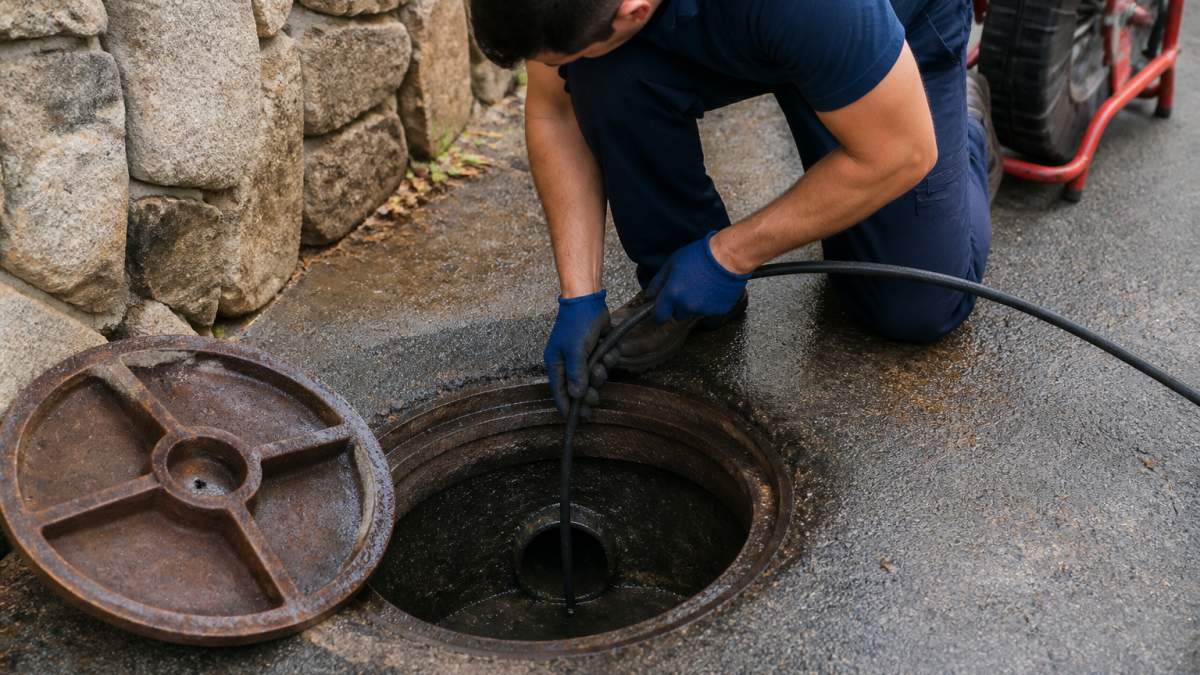
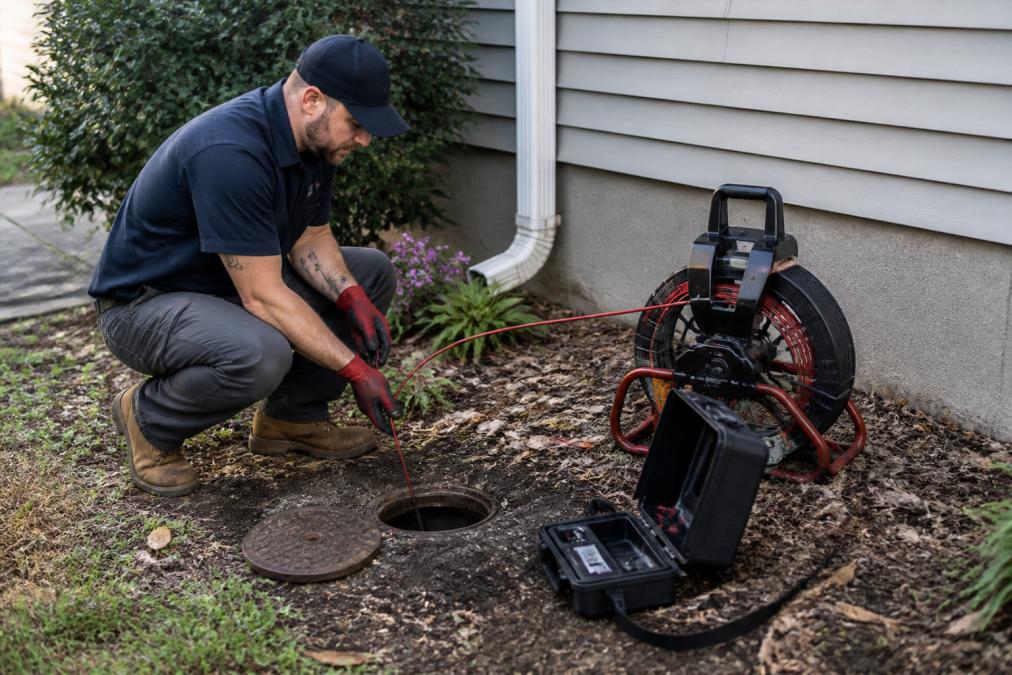
Blockage removal through routine maintenance prevents these disasters. Common culprits include tree root intrusion, debris buildup, grease accumulation, and pipe corrosion. When your sewer line is inspected annually using a sewer camera inspection, professionals can see exactly what's happening inside the pipe before it becomes a problem. A camera shows tree roots starting to penetrate the line, early signs of corrosion, or debris beginning to accumulate.
Early detection means early intervention. Hydro-jetting can clear minor blockages before they become complete clogs. Root intrusion can be addressed before roots completely compromise pipe integrity. Grease buildup can be removed before it hardens into an impenetrable mass. Each of these interventions costs a fraction of what you'd pay for an emergency excavation and pipe replacement.
The cost-benefit analysis is straightforward: spend a few hundred dollars annually on inspections and preventative maintenance, or spend tens of thousands on emergency repairs. Most homeowners who've experienced a sewage backup would have paid ten times the inspection cost to prevent it.
Extending Your Plumbing System Lifespan
Your home's plumbing infrastructure is designed to last 50-100 years depending on the pipe material and maintenance practices. But this lifespan assumes regular care. Neglected sewer lines fail much faster, sometimes within 20-30 years. The difference between a system that lasts 75 years and one that lasts 25 years is preventative maintenance.
Pipe corrosion is the silent killer of sewer systems. Metal pipes corrode from the inside out, and you won't see it happening. By the time you notice symptoms, significant damage has already occurred. Annual inspections catch corrosion in early stages when it can still be managed. Hydro-jetting removes corrosive buildup. Pipe coatings can be applied to slow further deterioration.
Concrete and clay pipes, common in older homes, are vulnerable to root intrusion and cracking. These materials don't corrode like metal, but they degrade differently. Tree roots seeking moisture will exploit any small crack and gradually widen it. Annual camera inspections identify these cracks before roots fully colonize the line. Catching root intrusion early means you can remove the tree, treat the roots, or plan for pipe replacement on your timeline rather than in an emergency.
Modern PVC pipes are more durable, but they're not immune to damage. Ground settling, heavy vehicle traffic above the line, and debris accumulation all stress PVC pipes. Regular inspection ensures your plumbing system lifespan extends to its full potential. Maintenance now means your system will still be functioning reliably in 30, 40, or 50 years.
Signs of Sewer Line Blockage You Shouldn't Ignore
Several warning signs indicate your sewer line needs immediate attention. The challenge is distinguishing between a minor drain issue and a main sewer line problem. A single slow drain is usually a localized clog. Multiple slow drains throughout your home suggest a blockage in the main sewer line.
Gurgling sounds from toilets, drains, or your septic system are a red flag. These sounds occur when air gets trapped in the line behind a partial blockage. The air escapes through drains, creating the distinctive gurgle. This is your system telling you that water isn't flowing freely. Sewage backup is often just days or weeks away.
Lush patches of grass in your yard, especially over the sewer line route, can indicate a leak or backup. Sewage acts as a fertilizer, promoting unusually green growth. This also signals that wastewater is escaping into your soil, which creates environmental contamination and potential groundwater contamination risks.
Persistent odors around your home or yard are another warning sign. Sewer gas should be vented safely through your roof. If you're smelling it at ground level, your system has a leak or blockage. Odors often precede visible symptoms by weeks or months, making them valuable early warning signs.
Tap to easily schedule service today! →
Water pooling in your basement or crawlspace during normal weather indicates a backup is occurring. This is an emergency requiring immediate professional attention. Don't wait for sewage to actually back up into living spaces before calling for help.
How to Clear Slow Drain Issues Before They Worsen
A slow drain doesn't always mean you need professional help immediately, but it always means something is restricting water flow. The question is whether it's a localized clog in that drain or a developing problem in your main line. Understanding the difference determines your next step.
Start with the simplest approach: a plunger. A few vigorous plunges can dislodge minor clogs in sink or toilet drains. This works best for clogs caused by hair, soap buildup, or food debris near the drain opening. If plunging doesn't work, the clog is deeper in the line.
Chemical drain cleaners are tempting but problematic. They work by dissolving organic material, but they also damage pipes over time. Repeated use weakens pipe walls and can cause leaks. If chemical cleaners work, they've only dissolved the clog temporarily, the underlying issue remains. If they don't work, you've now got caustic chemicals in your pipes that professional plumbers will need to handle carefully.
A plumbing snake is more effective for deeper clogs. It mechanically breaks up blockages rather than dissolving them. A snake can clear clogs caused by hair, soap, or minor debris accumulation. However, snaking doesn't address root intrusion or complete blockages in the main line. If your drain is still slow after snaking, the problem is likely in the main sewer line.
The key is recognizing when a slow drain is a symptom of a larger problem. If multiple drains are slow, if the drain slows again within weeks of clearing it, or if you also notice other warning signs, schedule a professional sewer camera inspection. Clearing slow drain issues early prevents them from developing into main line blockages.
Hydro Jetting vs. Snaking: Which Method Works Best
Both hydro-jetting and snaking are professional drain cleaning methods, but they work differently and suit different situations. Understanding the difference helps you make informed decisions about your sewer line maintenance.
Snaking uses a motorized cable with a cutting head to mechanically break up blockages. It's effective for clogs caused by hair, soap, grease, and minor debris. Snaking is less expensive than hydro-jetting and works well for localized problems in branch lines. However, snaking doesn't clean the entire pipe, it just punches through the blockage. Debris remains on the pipe walls, and the same clog often returns within months.
Hydro-jetting uses high-pressure water (up to 4,000 PSI) to blast away blockages and clean the entire pipe interior. It removes grease buildup, debris, and even breaks up minor root intrusion. Hydro-jetting is more thorough because it cleans the whole pipe, not just the blockage.
Protecting Your Home's Value and the Environment
Your sewer line affects both your home's property value and the environment around it. A failing sewer system is a major liability that significantly reduces home value. Conversely, a well-maintained sewer line is a selling point that demonstrates responsible homeownership.
What to Expect During a Professional Sewer Line Inspection
A professional sewer line inspection takes 30-60 minutes depending on your line's length and accessibility. The process is straightforward and non-invasive, requiring no digging or pipe damage. Understanding what happens during an inspection helps you know what to expect and why it's valuable.
Frequently Asked Questions
How often should sewer lines be cleaned out?
Most homeowners benefit from annual sewer line maintenance or at minimum every 3-5 years, depending on your home's age, pipe material, and tree root activity in your yard. Homes with mature trees, older clay or cast iron pipes, or a history of clogs should schedule maintenance annually. A professional sewer camera inspection helps determine the right frequency for your specific situation.
What are the main signs of sewer line blockage?
Watch for slow drains throughout your home, sewage backups in toilets or showers, gurgling sounds from drains, wet patches in your yard, or persistent odors near your foundation. Multiple drains backing up simultaneously signals a main sewer line problem rather than a single fixture issue. These signs indicate you need immediate professional diagnostics to prevent water damage and property damage.
Can tree roots damage sewer lines even with annual maintenance?
Tree roots seek moisture and can penetrate even well-maintained sewer lines through small cracks or joints. Annual maintenance catches root intrusion early through camera inspections, allowing you to address it before roots cause serious blockages or pipe damage. Regular hydro-jetting or snaking removes roots before they cause sewage backups and costly excavation repairs.
Is professional sewer line maintenance worth the cost?
Yes. Annual maintenance prevents emergency repairs that can cost $3,000-$25,000 for excavation and pipe replacement. Regular inspections identify debris buildup, root intrusion, and pipe corrosion early, extending your plumbing system lifespan by decades and protecting your home's foundation and property value. Preventative care is far more cost-effective than emergency repairs.