 how-to
Avoid Recurring Plumbing Repair Costs: A Homeowner's Guide
Table of Contents
- Why Recurring Plumbing Repairs Cost You More Than You Think
- Signs of Hidden Plumbing Leaks You Shouldn't Ignore
- How to Clear Slow Drains and Prevent Blockages
- Preventative Plumbing Maintenance Checklist for Every Season
- How to Vet a Plumber's Quote and Avoid Overcharges
- Professional Plumbing Assessments: When to Call and What to Expect
- Building Long-Term Plumbing Resilience
- Frequently Asked Questions
Last Updated: August 31, 2026
Why Recurring Plumbing Repairs Cost You More Than You Think
Homeowners often treat plumbing problems like car trouble: call when something breaks, pay the bill, and hope it doesn't happen again. That approach costs significantly more than it should. When you ignore early warning signs or skip preventative maintenance, small issues compound into expensive emergencies. At Rich's Plumbing Heating & Air Conditioning, we've seen countless families spend thousands on recurring plumbing repair costs that could have been prevented with basic maintenance and early intervention.
Recurring plumbing issues typically stem from three sources: unaddressed root causes, deferred maintenance, and poor initial repairs. A plumber patches a leak without fixing the corroded pipe underneath. You ignore slow drains until they back up completely. Water pressure problems worsen until fixtures fail. Each emergency service call adds rush fees and spreads damage further.
The financial impact extends beyond the repair bill. Water damage from hidden leaks compromises your home's structure and insulation. Running toilets waste thousands of gallons annually (the EPA). Clogged drains can lead to sewer line backups costing five to ten times more to fix than routine drain cleaning. Professional plumbing assessments cost a fraction of emergency repairs but prevent cascading failures that turn a $200 problem into a $5,000 disaster.
Signs of Hidden Plumbing Leaks You Shouldn't Ignore
A hidden plumbing leak is deceptive because you see the damage it's caused, not the water flowing. Detecting these leaks early is the single most effective way to avoid recurring plumbing repair costs.
Dampness in unexpected places is the most reliable indicator. If your basement or crawlspace smells musty or feels damp, water is coming from somewhere. Discoloration on walls or ceilings, brown stains, soft drywall, or peeling paint indicate water has been leaking for weeks. Check under sinks, if wood feels spongy, the leak has already compromised the structure.
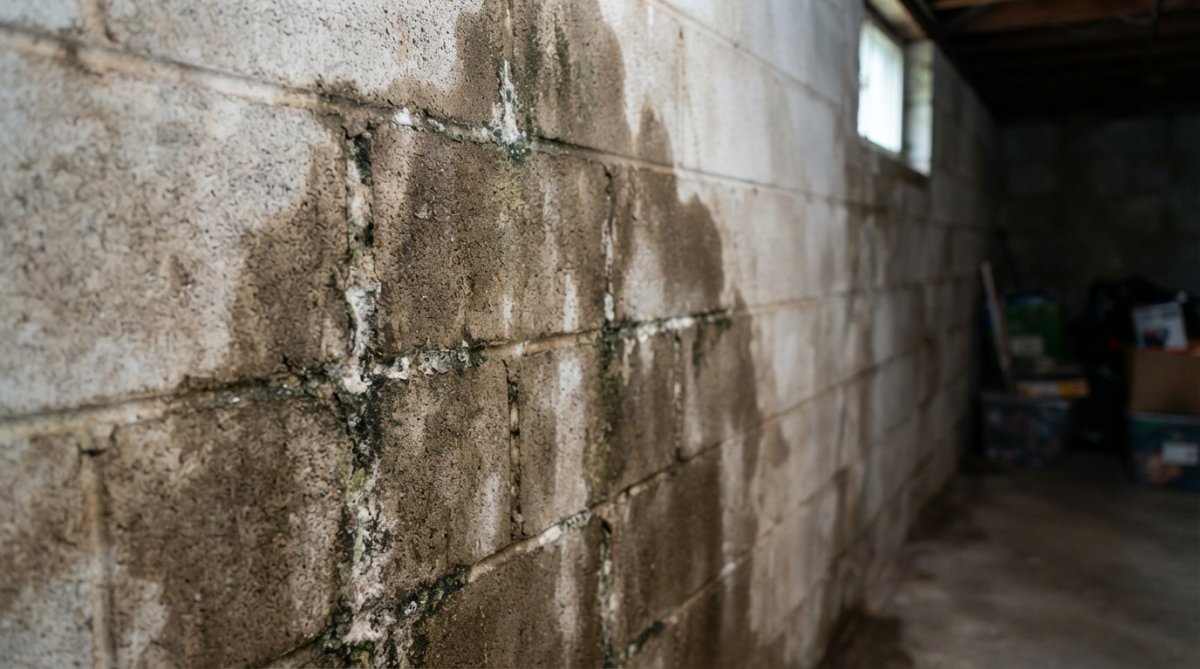
Water meter readings reveal invisible leaks. Turn off every water-using appliance, then check your meter. If it's moving, water is leaking somewhere in your system. Many homes have leaks in underground supply lines or behind walls that go undetected until damage is severe.
Listen for running water when nothing is on. A toilet that refills periodically without flushing indicates a leak in the tank or fill valve. Hissing sounds in walls suggest pressurized lines are rupturing. These audio clues often precede visible damage.
Unusually high water bills signal a leak. A sudden spike in usage without explanation warrants professional leak detection. Acoustic equipment and thermal imaging locate water without tearing into walls, saving you from guesswork repairs.
How to Clear Slow Drains and Prevent Blockages
Slow drains are warnings, not permanent conditions. Addressing them immediately prevents the clogged drains that lead to emergency service calls and recurring plumbing repair costs.
Most slow drains result from buildup inside the pipe: hair, soap residue, grease, and mineral deposits accumulate over months. You can clear many slow drains without calling a professional:
Step 1: Remove visible debris (5 minutes) Pull off the drain cover and remove any hair or debris you can reach.
Step 2: Use hot water and baking soda (10 minutes) Pour boiling water down the drain, followed by half a cup of baking soda. Wait 15 minutes, then flush with another kettle of hot water.
Step 3: Try a plunger (5 minutes) Fill the sink with a few inches of water and use a plunger to create suction. For bathtubs, block the overflow hole so plunging creates proper pressure.
Step 4: Use a drain snake if needed (15 minutes) A manual drain snake costs under $15 and removes blockages a plunger can't reach. Feed it into the drain, turn the handle to catch debris, and pull it back out.
When DIY methods don't work, professional drain cleaning prevents the clogged drains that lead to backups and water damage. Hydro-jetting uses high-pressure water to scour pipe interiors clean and removes buildup that will cause future problems.
Prevention is more effective than repeated clearing. Use drain screens to catch hair before it enters pipes. Avoid pouring grease down drains. Flush drains monthly with hot water and baking soda to prevent buildup. These habits eliminate the recurring blockages that generate service calls.
Preventative Plumbing Maintenance Checklist for Every Season
A structured maintenance routine catches problems before they become emergencies. Seasonal checks align with the stresses each season puts on your system.
Spring Checklist (April-May)
- Inspect visible pipes under sinks and in the basement for corrosion or mineral buildup
- Check toilet fill valves, they should stop running within 30 seconds after flushing
- Test outdoor faucets and hose connections for leaks before garden season
- Run water through rarely used drains to ensure they're not blocked
- Inspect water heater for leaks or rust around the tank base
Summer Checklist (June-August)
- Monitor water pressure, it should feel consistent across all fixtures
- Check for leaks in irrigation systems if you have outdoor watering
- Inspect caulking around tubs and showers for gaps that let water behind walls
- Ensure sump pump is working if you have a basement
- Look for water stains on ceilings that indicate roof or plumbing leaks above
Fall Checklist (September-November)
- Clear gutters and downspouts so water drains away from your foundation
- Insulate exposed pipes in unheated areas to prevent freezing
- Drain and store garden hoses to prevent freeze damage
- Check basement and crawlspace for new water stains or dampness
- Have your water heater inspected if it's over 5 years old
Winter Checklist (December-March)
- Keep cabinet doors under sinks open on freezing nights so warm air reaches pipes
- Let faucets drip during extreme cold to prevent frozen pipes
- Monitor water usage; sudden increases indicate frozen or burst pipes
- Check for ice dams on the roof that back water into walls
- Inspect basement for new cracks in the foundation that could allow water entry
A professional plumbing assessment covers all these points and identifies issues you might miss. Many plumbers offer seasonal maintenance plans that cost less than a single emergency call.
| Maintenance Task | Frequency | Time Required | Prevents |
|---|---|---|---|
| Check visible pipes for leaks | Monthly | 10 minutes | Water damage, corrosion |
| Test toilet fill valve | Quarterly | 5 minutes | Running toilets, water waste |
| Flush drains with hot water | Monthly | 10 minutes | Clogs, blockages |
| Inspect water heater | Annually | 15 minutes | Tank failure, flooding |
| Professional assessment | Annually | 60 minutes | Hidden leaks, major failures |
How to Vet a Plumber's Quote and Avoid Overcharges
A plumbing quote should be transparent, itemized, and easy to understand. Many homeowners accept the first estimate without comparison, which is how overcharges happen.
Request quotes from at least two plumbers before committing. A reputable plumber will spend 20-30 minutes diagnosing the problem and explaining the work needed. If someone quotes you over the phone without seeing the issue, that's a red flag.
Tap to easily schedule service today! →
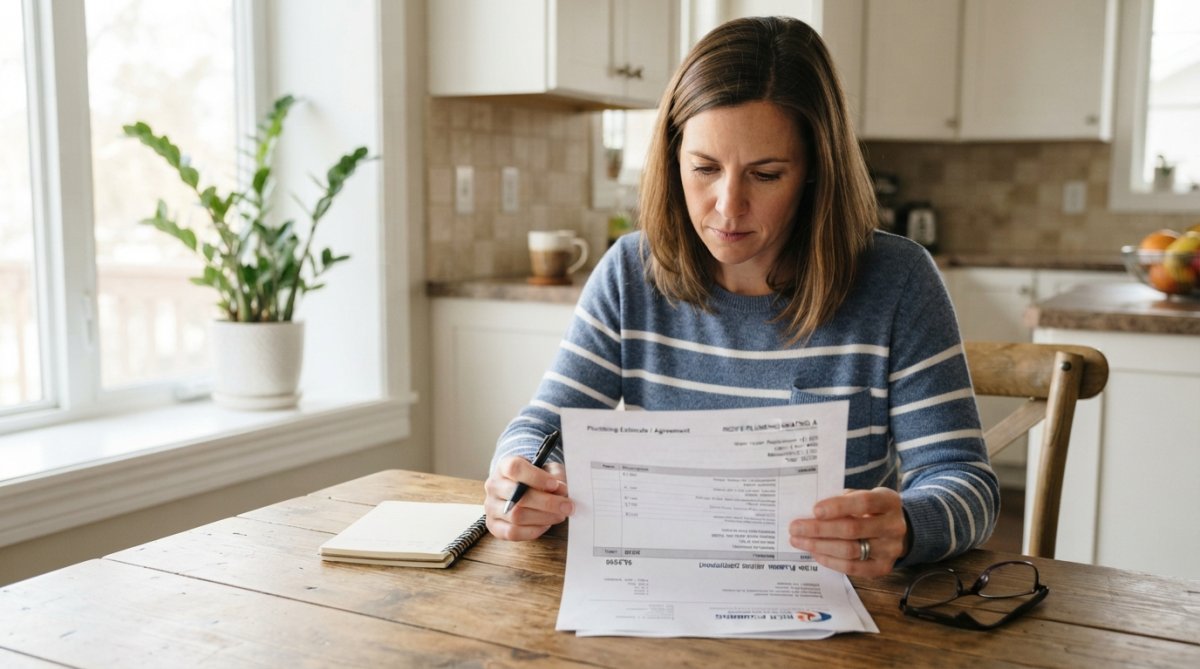
A legitimate quote breaks down labor, parts, and service fees separately. You should see hourly labor rates or flat service fees, specific parts with individual pricing, estimated labor hours, warranty terms, and completion timeline.
Compare quotes carefully, but don't choose based solely on price. The cheapest quote often reflects rushed work or low-quality parts that fail quickly. A mid-range quote from a licensed, insured professional with good reviews is usually the best value.
Ask about parts markup. Honest plumbers charge 15-25% above wholesale cost for parts. Markups above 40% suggest overpricing. Request that they use parts you specify if you've found better options.
Verify credentials before hiring. A licensed plumber carries a license number and liability insurance. Call your state's licensing board to confirm the license is active and has no complaints. Check online reviews for consistent five-star ratings with specific details about professionalism and fair pricing.
Understand what you're paying for. Emergency service calls cost more than scheduled appointments, that's legitimate. After-hours, weekend, and holiday work justify higher rates. However, the diagnosis fee should apply toward the total cost if you hire them for the repair.
Professional Plumbing Assessments: When to Call and What to Expect
A professional plumbing assessment is different from an emergency repair call. It's a diagnostic investment that prevents recurring plumbing repair costs by identifying problems before they fail.
Schedule an assessment if you notice water pressure changes, slow drains unresponsive to clearing, visible water stains, musty basement smells, or unusually high water bills. If your home is over 20 years old and you've never had a comprehensive inspection, an assessment is overdue.
During an assessment, the plumber inspects visible pipes for corrosion, checks water pressure at multiple fixtures, tests drain flow, examines the water heater and supply lines, and looks for signs of hidden leaks. They may use thermal cameras or acoustic leak detectors to find problems you can't see.
A good assessment takes 60-90 minutes and results in a written report listing any issues found, their severity, and recommended repairs. The plumber should explain findings in plain language and answer your questions about priorities. Not every issue needs immediate repair; some can wait while others require prompt attention to prevent water damage.
Rich's Plumbing Heating & Air Conditioning offers free estimates for most services, which means you get professional diagnosis without financial commitment before deciding whether to proceed with repairs.
Use the assessment report to prioritize spending. Address water damage risks and leaks first, they worsen daily. Schedule other repairs during convenient times when you can plan financially.
Building Long-Term Plumbing Resilience
The goal isn't just to fix problems, it's to build a system that doesn't create recurring problems. Long-term plumbing resilience comes from preventative maintenance, early intervention, and quality repairs.
Preventative maintenance means addressing small issues before they compound. A dripping faucet wastes 3,000 gallons annually; fixing it costs $50 (usgs.gov). A slow drain becomes a clogged drain becomes a backed-up sewer line. Each escalation multiplies the cost. Monthly inspections catch these early.
Early intervention means calling a professional as soon as you notice something unusual. A small leak detected early costs a few hundred dollars to repair. The same leak ignored for six months costs thousands in water damage, mold remediation, and structural repairs.
Quality repairs mean using licensed professionals who warranty their work. A cheap repair that fails in six months creates recurring plumbing repair costs. A quality repair with a warranty protects you and prevents immediate repeat calls.
Build a relationship with a plumber you trust. When you have a regular professional who knows your home's system, they catch problems other plumbers would miss. That continuity prevents repeated mistakes that generate unnecessary service calls.
Track your plumbing history. Keep records of repairs, maintenance, and professional assessments. This documentation proves you maintained the system properly and helps new plumbers understand your home's history.
The families who spend the least on plumbing aren't the ones with perfect systems, they're the ones who maintain consistently and respond quickly to problems. They treat plumbing like health: regular checkups prevent emergencies.
Small plumbing problems grow into expensive emergencies when ignored. The families who avoid recurring plumbing repair costs aren't lucky, they're proactive. They maintain their systems, watch for warning signs, and hire professionals who fix problems properly rather than temporarily.
Rich's Plumbing Heating & Air Conditioning helps homeowners take control of their plumbing systems with fast diagnosis, transparent estimates, and quality repairs backed by a 100% satisfaction guarantee. With a 60-minute response time for emergencies and free estimates for most services, we make it easy to address problems before they become expensive. Schedule your professional plumbing assessment today and stop the cycle of recurring repairs.
Frequently Asked Questions
How can I tell if my plumber is overcharging me?
Request itemized estimates that break down labor costs, parts, and service call fees separately. Compare quotes from at least two licensed professionals. Watch for vague line items like 'miscellaneous charges' or unusually high markups on parts. Ask your plumber to explain why specific repairs are necessary, legitimate professionals welcome questions. Check that labor rates align with local market standards and verify the plumber is licensed and insured before hiring.
What small plumbing issues lead to the most expensive repairs?
Small leaks in supply lines, slow drains that become complete blockages, and minor sewer line damage are the biggest culprits. A slow drain ignored for months can require full drain cleaning or even trenchless repair. Small leaks cause hidden water damage that weakens foundations and promotes mold. Running toilets waste thousands of gallons annually and can damage the tank seal, requiring replacement. Catching these early through preventative plumbing maintenance checklist inspections saves thousands in repair costs.
How often should I schedule professional plumbing maintenance?
Most homes benefit from an annual professional plumbing inspection, ideally before winter. Older homes (30+ years) may need inspections every 6 months. A professional assessment identifies early warning signs of pipe corrosion, water pressure issues, and sewer line buildup before they become emergencies. Between inspections, follow a seasonal preventative plumbing maintenance checklist to catch problems yourself. This routine approach prevents the recurring repair cycle that costs homeowners far more than preventative care.
How do I prevent recurring clogs in my kitchen and bathroom drains?
Use drain screens to catch hair and debris, and flush drains monthly with hot water. For kitchen sinks, avoid pouring grease down drains, let it cool and discard it. Don't rely on chemical drain cleaners; they damage pipes over time. When you notice slow drainage, address it immediately using a plunger or snake before it becomes a full blockage. Learning how to clear slow drains early prevents the expensive emergency service calls and repeated clogs that plague homeowners who ignore early warning signs.